
Related videos:
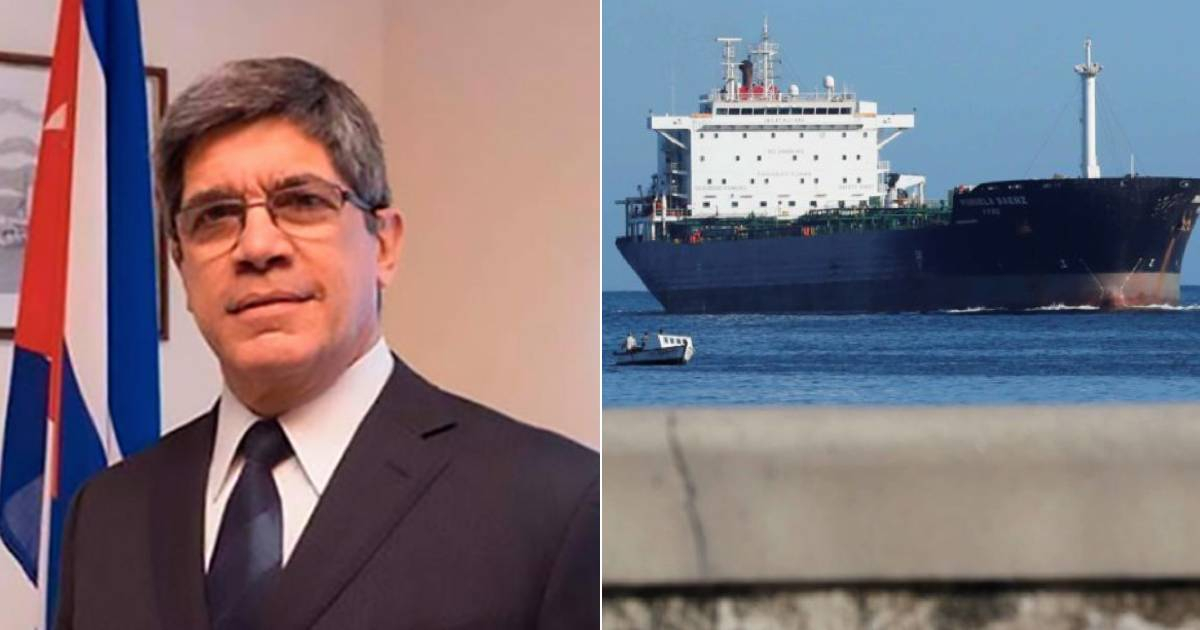
From Havana, the Deputy Minister of Foreign Affairs, Carlos Fernández de Cossío, described the alleged possibility that the United States might impose a naval blockade on the island as an "act of war," a measure that would seek to prevent the arrival of fuel and exacerbate the energy collapse affecting millions of Cubans.
Fernández de Cossío described the idea of a naval blockade as "a brutal assault against a peaceful nation" and asserted that Cuba poses no threat to the United States. In a message shared on social media, he insisted that the country's economic difficulties are "designed in the U.S." and questioned why there is a fear that Cuba could resolve its problems without external interference.
The diplomat's statements come after a report from the U.S. media POLITICO, which revealed internal discussions within the Donald Trump administration about the possibility of imposing a total blockade on oil imports to Cuba.
According to sources cited by that outlet, the proposal has not yet been approved and is part of a package of options that could be presented to the president as part of a strategy to pressure for regime change in 2026.
According to the report, the idea has the support of influential figures within the U.S. government, including Secretary of State Marco Rubio, although there are internal disagreements over the risk that such a measure could lead to a humanitarian crisis on the island.
Cuba imports about 60% of the oil it consumes, and a complete cutoff would have an immediate impact on the already collapsed electrical system.
According to La Radio del Sur, a leftist media outlet based in Venezuela, Fernández de Cossío also recalled that in 2019, during Trump's first term, hardline sectors of the U.S. government had attempted to push for a similar action, which was then stopped by national security agencies for being considered irresponsible and dangerous.
In recent days, Foreign Minister Bruno Rodríguez also denounced an increase in “threats and aggression” from the United States. During a meeting with accredited diplomats in Havana, he linked the alleged escalation against Cuba to events in Venezuela, following the capture of President Nicolás Maduro in an operation authorized by Washington at the beginning of January.
Rodríguez accused the Trump administration of using platforms like Truth Social to announce cuts in supplies and funding, labeling these actions as deliberate attempts to suffocate the Cuban economy. From the government’s perspective, terms like resistance, sovereignty, and dignity are used, while the average citizen faces an increasingly precarious daily life.
However, the report from POLITICO emphasizes that no decision has been made yet and that Washington is, in fact, still allowing Mexico to supply fuel to the island, a policy that contrasts with the more aggressive rhetoric of the U.S. president.
Filed under: