
Related videos:
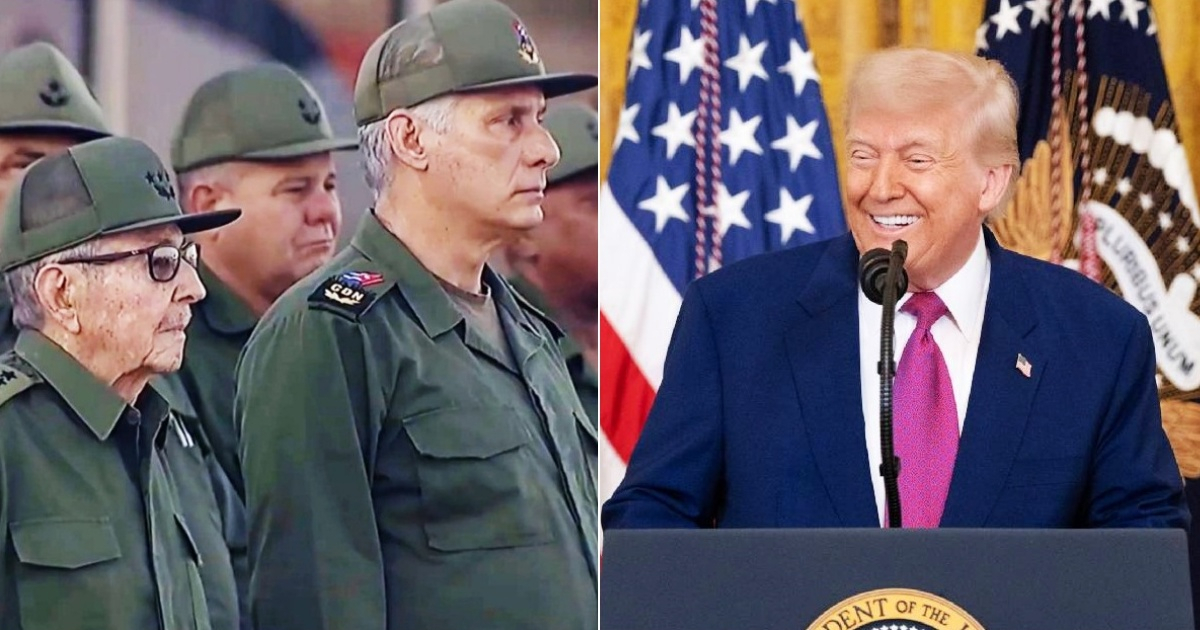
The Cuban regime has once again portrayed itself as a victim of "impunity" and "abuse," this time in an official statement from the Ministry of Foreign Affairs (MINREX) condemning a new executive order from President Donald Trump aimed at cutting off fuel supplies to the Island.
The contradiction has not gone unnoticed: a State that for decades has exercised repression, censorship, and systematic abuse against its own people is now demanding respect, legality, and solidarity from the world.
In the communiqué dated January 30, 2026, Havana denounced what it termed an "escalation of the economic blockade" by the United States, after Washington
A discourse on "international law" from a state without rights
The official text accuses the United States of violating International Law and acting through "blackmail, threats, and coercion." It even warns that the international community must reject "aggression, impunity, and abuse."
But in Cuba, these same concepts have been denied for over six decades.
While the regime speaks of governmental ethics and mutual respect, on the Island: thousands of political prisoners remain incarcerated for ideological reasons, peaceful demonstrations are violently repressed, independent journalists are persecuted, and the security apparatus operates with total impunity against the citizenry.
The call to reject "impunity" is especially cynical in a country where there is no judicial independence and where the Communist Party controls every institution.
"Cuba does not pose a threat"... but it pursues and harasses even diplomats
In the statement, the regime insists that Cuba "poses no threat whatsoever" and describes itself as "a peaceful, supportive, and cooperative country."
However, the very government that demands international respect has intensified its hostility even against foreign diplomats, such as the U.S. ambassador Mike Hammer.
The official narrative seeks to portray the regime as a guarantor of stability, while turning its citizens into hostages of a chronic crisis caused by its own failed economic model and its refusal to allow basic freedoms.
The eternal resource: blaming the embargo and demanding solidarity without taking responsibility
The statement reiterates the old script of Castroism: the blockade as the absolute explanation for all national problems.
But the regime remains silent about: internal corruption, productive collapse, the diversion of resources to military elites, and the complete lack of structural reforms.
The United States may tighten sanctions, but it is the Cuban system that keeps the people without political rights, without economic freedoms, and without the ability to determine their own destiny.
"Fatherland or Death" in 2026: propaganda in the face of failure
The closing of the statement —“Homeland or Death, We Will Overcome!”— confirms that Havana remains committed to a confrontational ideological language, even as the country faces one of the worst crises in its contemporary history.
In the absence of real answers, the regime once again resorts to revolutionary rhetoric and the external enemy to justify its hold on power.
Filed under: