
Related videos:
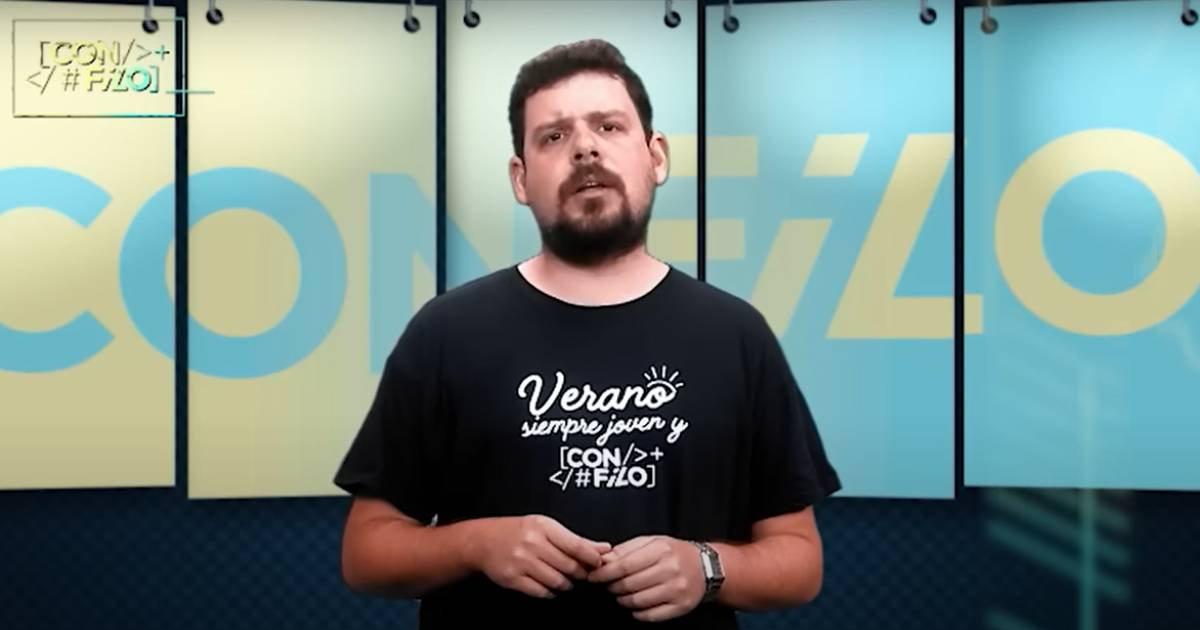
The official spokesperson Michel E. Torres Corona publicly proposed equating support for U.S. President Donald Trump with Nazism and using that comparison as a legal basis to sanction and arrest citizens in Cuba.
In a lengthy post on Facebook, Torres Corona stated that in democratic and capitalist Germany, “the Penal Code prescribes sanctions for anyone who publicly denies the Holocaust and disseminates Nazi propaganda,” and added that this prohibition includes “sharing images related to that ideology, wearing uniforms (or caps) related to the German army of that time, and making statements in favor of Hitler.”
Based on that comparison, he asserted that in Cuba, the National Assembly of People's Power —or the Council of State— should "consider a special law" that prescribes sanctions for "anyone who denies the ongoing genocidal attempt implied by the intensified blockade imposed by the current U.S. administration."
In that same reasoning, Torres Corona proposed that this law should also prohibit "the use of slogans or clothing related to Trumpism," which he defined as a movement that "even the liberal American press unequivocally associates with a rise in neo-fascism."
The spokesman was explicit in stating that "any discourse in favor of Mr. Trump and his lackeys should be regarded as treason to the Homeland," not only for what he termed "reactionary values," but also for what he described as "the explicit threat of that imperialist regime to the security of our nation and our people."
Although he noted that the Cuban state should refrain from "legalizing prison sentences" as a general rule, he clarified that deprivation of liberty should continue to be a "last resort," reserved for "repeat offenders" and for those who "actively and consciously collaborate with the declared enemy of national independence," especially—he emphasized—"if there is a profit motive." In such cases, he said, "the dungeon should be reserved."
Torres Corona also defended that the law should aim to “legalize all worship of Emperor Trump and any verbal acts supporting the blockade imposed on the Island,” and proposed that this regulation be submitted to a consultation and popular referendum to express “the will of the Cuban people to resist the onslaught of Trumpism.”
The post was published a few days after the arrest in Holguín of the young men Ernesto Ricardo Medina and Kamil Zayas Pérez, members of the independent project El4tico, who were detained during a police operation in which computers, cameras, and other work equipment were confiscated.
After those arrests, the U.S. Embassy in Cuba demanded their release and guarantees, while artists, intellectuals, and influencers denounced that this is a punishment for critical thinking and free expression.
Among those reactions were those of actor Luis Alberto García Novoa, influencer Kristoff Kriollo, and intellectual Alina Bárbara López Hernández, who agreed that repression is not centered around symbols, but rather on the punishment of independent thought.
In parallel, official leaders such as Gerardo Hernández Nordelo joined a public campaign of disqualification against El 4tico and those who support them, reinforcing a narrative that associates political criticism with betrayal.
In his publication, Torres Corona not only draws a comparison between Trumpism and Nazism but also outlines a legal framework in which expressing political support for Donald Trump, using certain symbols, or spreading particular discourse could be deemed a punishable act in Cuba, including— in specific cases— imprisonment. His assertions come as the youth from El 4tico remain detained and national and international reactions to that case continue.
Filed under: