
Related videos:
The tourism crisis in Cuba has just suffered one of its hardest blows in years, as the major Canadian airlines began to cancel and suspend flights to the island amid growing uncertainty over the shortage of aviation fuel and operational issues at Cuban airports.
The situation threatens to further sink a sector that the regime has marketed as an economic "lifeline," but which today struggles to survive amidst power outages, shortages of supplies, and crumbling infrastructure.
And the impact is greater because Canada is by far the largest source market for tourists to Cuba.
Air Transat suspends flights until April 30
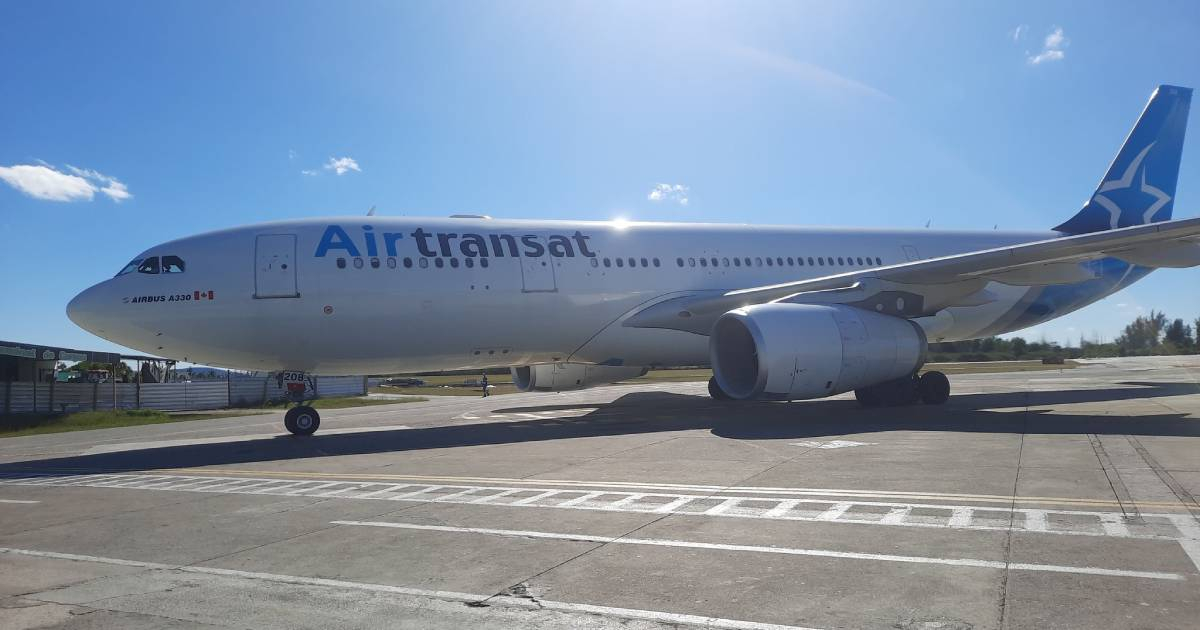
The Canadian airline Air Transat announced the temporary suspension of all its flights to Cuba until April 30, 2026, citing the aviation fuel shortage reported by the Cuban authorities.
According to the official notice published by the company, bookings with departures between February 11 and April 30 will be automatically canceled, and passengers will receive a refund.
In addition, the airline stated that it is preparing repatriation flights to Canada for travelers who are already on the island.
Air Canada and WestJet are also halting travel to the island
The alarm heightened when Air Canada, regarded as the largest airline in the country, announced the suspension of flights to Cuba until May 1, while organizing a return operation for thousands of Canadians.
According to media reports in Canada, Air Canada stated that it has about 3,000 customers in Cuba, while Air Transat reported more than 6,500, raising the number of travelers stranded or at risk of being stranded.
WestJet stated that it operates up to 15 daily flights to Cuba in winter, and that its immediate priority is to ensure the return of its passengers, with a plan to complete the process by February 16 at the latest.
Cuban tourism is in free fall
The news comes at the worst possible time for the regime.
According to data cited by El País, Cuba went from receiving five million tourists in 2018 to just 1.8 million in 2025, a drop of 64% in just seven years.
But the most concerning aspect is that Canadian tourism accounts for nearly 50% of foreign arrivals to the island, which means that any massive disruption in flights from Canada is akin to choking off the sector's lifeblood.
Filed under: