
Related videos:
“Thank God, my son is back home.” With those words, written from Havana, a Cuban mother encapsulated the relief that followed months of anguish, uncertainty, and silence.
The message was shared by immigration attorney Wilfredo Allen after it was confirmed that the young man, who had been detained in the United States for months, was finally deported to Cuba on the first repatriation flight of the year 2026, which took place on Monday, February 9.
The case of the young man had been described days earlier by the legal office itself as a story marked by what many Cuban families fear: the abrupt change of immigration decisions, unexpected detentions, and a process that turns into a nightmare even when the person has no criminal record.
According to the testimony released by Allen, the young man entered the United States through Texas with an I-220A, reunited with his family in Tampa, applied for asylum, began working, and fulfilled every immigration requirement. He even notified them of his change of address when he moved to San Francisco. However, he never received a court date.
On November 21, he went to a routine interview at the ICE offices in San Francisco. He did not leave a free man. A decision appeared in his file that changed everything: expedited removal.
Since then, the young man was transferred between several detention centers, including facilities in California City and Arizona, eventually ending up in the Jackson Parish detention center in Louisiana. His legal defense filed appeals, including a habeas corpus, but the situation continued to deteriorate.
According to Allen's office, the boy was included in at least three deportation attempts. In one, the plane reached the Guantánamo Naval Base. In another, it landed in Puerto Rico. In all cases, the transfer was canceled and he ended up returning to Louisiana, increasing the emotional strain on the family.
Finally, on Monday, February 9th, the young man did arrive in Cuba.
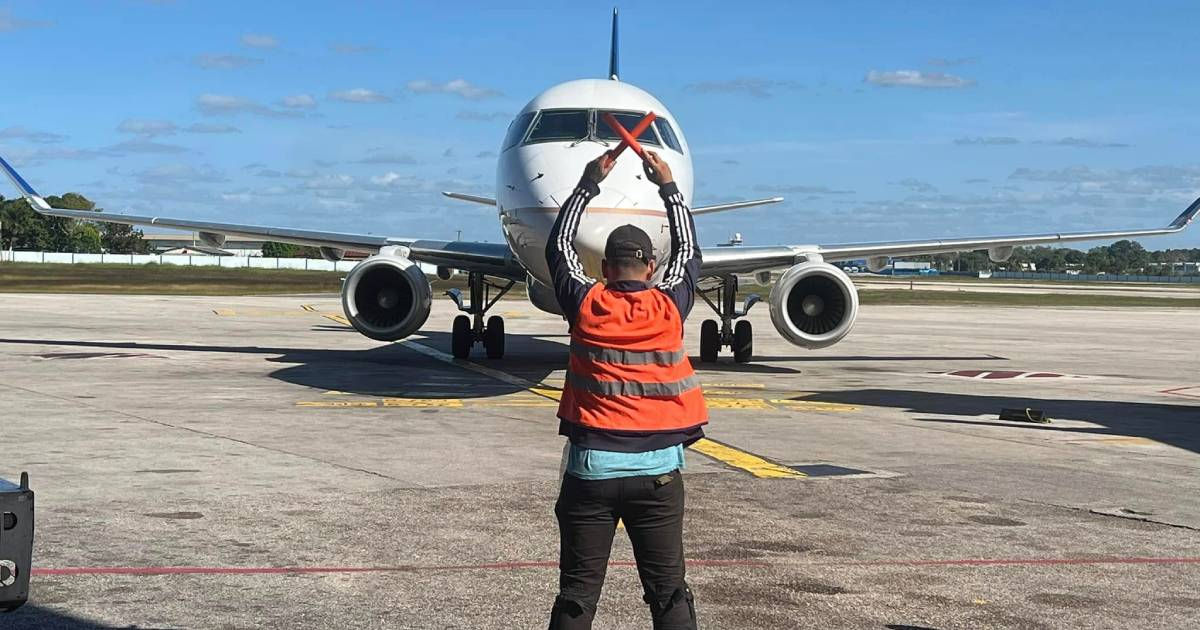
On that day, a total of 170 Cuban migrants were returned to the island from the United States on the first deportation flight of the year, according to the Ministry of the Interior (MININT). The operation was carried out under bilateral migration agreements and landed at José Martí International Airport in Havana.
Cuban authorities reported that there were 153 men and 17 women on the flight, and noted that three individuals were taken to investigative agencies for alleged crimes committed before leaving the country.
The return comes at a particularly difficult time for Cuba: prolonged blackouts, shortages of food and medicine, a collapse in transportation, and a crisis reminiscent of the Special Period. For many deportees, returning does not mean "going back home," but rather falling once again into a country with no immediate future.
The flight also marks the resumption of deportations, following a January without operations, and occurs amid the tightening of immigration policies driven by the Trump administration, which has increased the expulsion of Cubans and even resorted to transfers to third countries or facilities outside of the continental United States.
Filed under: