
Related videos:
Spain announced on Monday that it will send humanitarian aid in the form of food and essential medical supplies to Cuba through the United Nations system, in a gesture that comes amid the worsening energy and economic crisis facing the island.
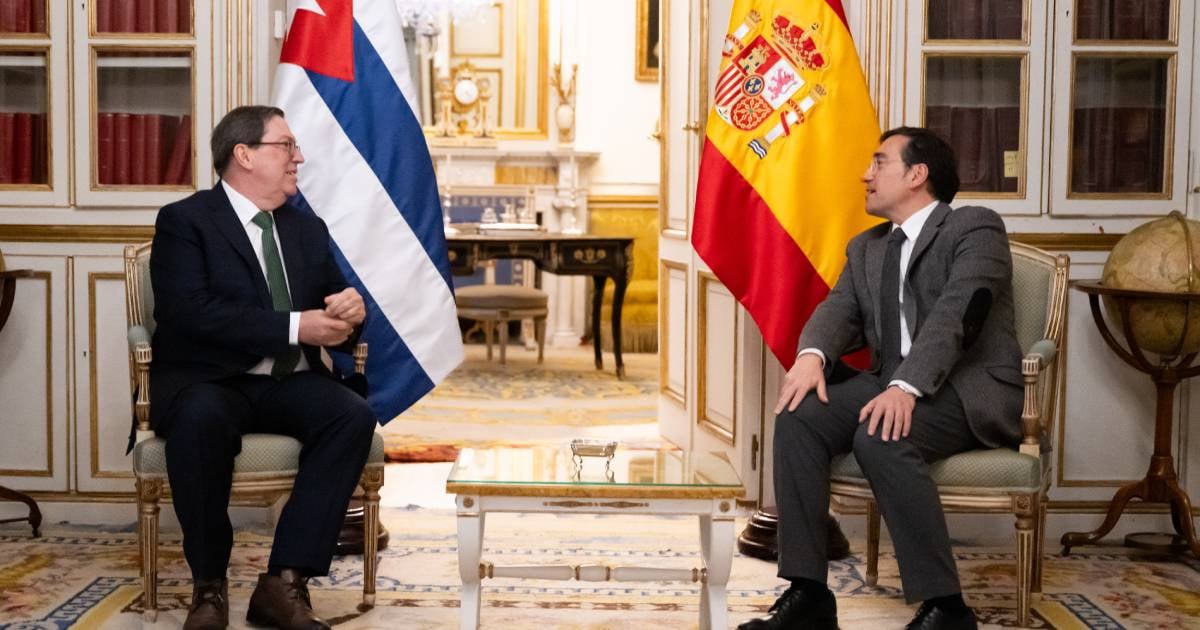
The announcement was made by the Spanish Minister of Foreign Affairs, José Manuel Albares, to the Cuban Chancellor Bruno Rodríguez Parrilla during a meeting held in Madrid at the request of the Cuban official. The Spanish Government, through the Spanish Agency for International Development Cooperation (AECID), has not yet detailed the volume or schedule of the shipment.
The aid, which will be channeled through the UN, includes food and essential sanitary products, two of the most urgent needs for millions of Cuban families facing prolonged blackouts, fuel shortages, and difficulties in maintaining basic services such as healthcare and transportation.
Bruno Rodríguez himself highlighted on his official account on X that the meeting with Albares served to “reiterate the intention to strengthen political dialogue, economic-commercial relations, and cooperation for the benefit of both countries,” and placed cooperation within the context of what he termed the “growing aggression of the United States against Cuba,” especially regarding the “blockade of fuel supplies that causes suffering to our people.”
Rodríguez also expressed Havana's support for the Ibero-American Summit that Spain will host in Madrid in November and emphasized the importance of "multilateralism" in addressing global challenges.
But while the authorities spoke of cooperation, a group of Cuban activists in Madrid harshly confronted the Cuban chancellor, shouting slogans such as “Miserable!”, “Murderer!” and “We want a free Cuba!”, denouncing that the regime he represents has not resolved the issues that push thousands of compatriots to emigrate, endure hardships on the island, or express frustration in front of their own representatives.
The scene, which took place before the diplomatic meeting, reflects the deep discontent of the Cuban diaspora in Spain and many on the island, who view with skepticism any gesture that is not accompanied by comprehensive solutions for a declining economy, characterized by a saturated informal market and irregular fuel deliveries.
The aid announced by Spain adds to other international initiatives that have aimed to alleviate the humanitarian crisis in Cuba. The United Nations has been working with food donations and assistance in various regions of the country, while recently other countries, such as Mexico, have mobilized tons of basic goods in response to the shortages caused by the lack of fuel and the effects of natural phenomena.
For many Cubans, however, the arrival of food and medicine cannot compensate for the feeling of abandonment and the lack of real opportunities on the island, which continues to operate under external and internal restrictions that limit access to the most basic necessities.
Filed under: