
Related videos:
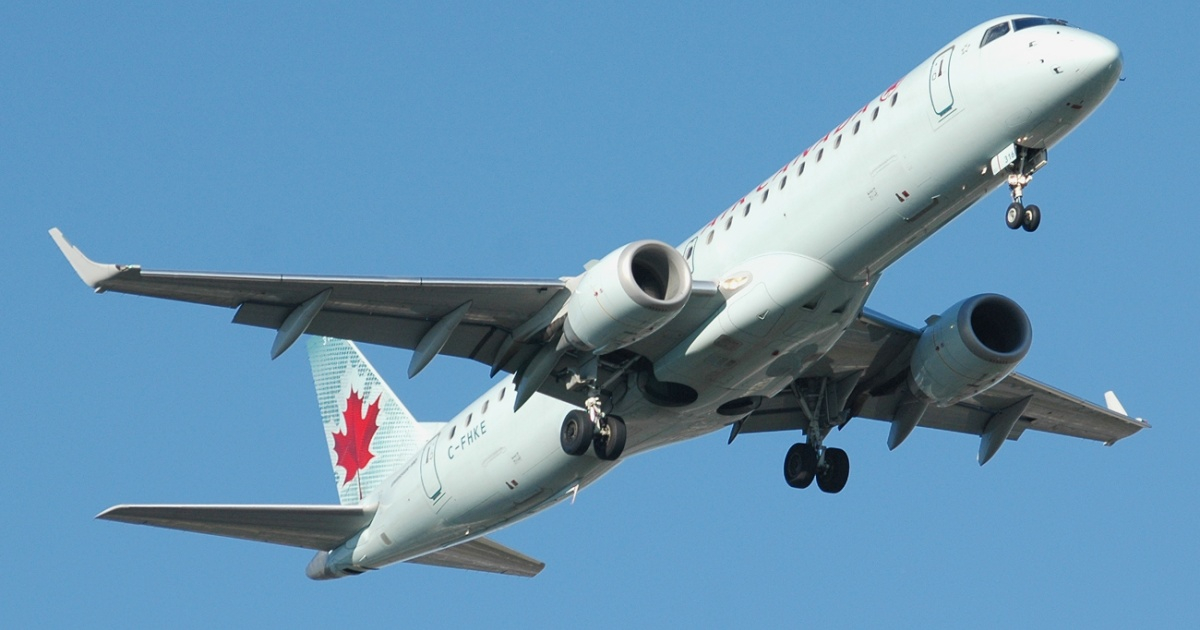
The airline Air Canada announced that it will not resume its flights to Cuba until November 1, 2026, a decision that extends the suspension of service to the island amid the energy and fuel crisis affecting the Cuban airport system.
According to the company itself, as reported on its website, the resumption of operations has been postponed once again after assessing the operational situation in the Caribbean country.
“Air Canada has postponed the resumption of its services between Canada and Cuba until November 1, 2026. Customers with trips booked between May 1 and October 31, 2026, will be contacted directly with their travel options, including the option to change their destination,” the airline stated.
The company added that travelers with existing reservations can contact the airline to modify their itinerary or request a credit for a future booking, as the company continues to monitor the situation.
A suspension that began due to the lack of fuel
The decision extends a suspension that began on February 9, when Air Canada announced the immediate cancellation of its operations to Cuba due to a shortage of aviation fuel on the island.
At that time, the airline explained that the measure was in response to government notices and aviation notifications warning about the lack of jet fuel for airplanes at Cuban airports.
As part of the measures taken following the suspension, Air Canada announced that it would operate flights without passengers to Cuba to pick up around 3,000 tourists who were already on the island, the majority being customers of vacation packages from Air Canada Vacations.
In addition, for the flights that remained temporarily operational, the company stated that it would transport additional fuel from the origin and make technical stops to refuel during the return, a strategy aimed at reducing operational risks.
In this context, the airline also confirmed the cancellation of the remainder of the season for seasonal flights to Holguín and Santa Clara, while regular routes to Varadero and Cayo Coco have been suspended, with a restart initially planned for May now postponed until November.
Other airlines also suspended operations
The logistics crisis has not only affected Air Canada.
Other Canadian companies, such as WestJet and Air Transat, have also temporarily suspended their services to Cuba for the same reasons, although in those cases flights are expected to resume sooner.
The suspension of routes from Canada—one of the main markets sending tourists to the island—represents a significant blow to the Cuban tourism sector, which is already experiencing a sustained decline in visitor arrivals.
Cuban airports will remain without fuel at least until April
The background of this situation lies in the prolonged shortage of aviation fuel in Cuba.
An official notice addressed to pilots and air traffic controllers -known as Notam- confirmed that the international airports in the country will continue to be unavailable for Jet A1 fuel at least until April 10, as reported this Tuesday by the EFE agency.
The encoded message explicitly states: "JET A1 FUEL NOT AVBL."
The notification is recorded in the database of the Federal Aviation Administration (FAA) of the United States and applies to the major airports in the country, including:
-José Martí (Havana).
-Juan Gualberto Gómez (Varadero).
-Abel Santamaría (Santa Clara).
-Ignacio Agramonte (Camagüey).
-Frank País (Holguín).
-Antonio Maceo (Santiago de Cuba).
The lack of fuel had already been reported on February 10, leading to flight cancellations by Canadian and Russian airlines.
In response to the shortage, other European and Latin American companies opted for alternative strategies, such as making technical stops in third countries to refuel or reducing the frequency of their flights.
A new setback for tourism amid the energy crisis
The shortage of fuel at airports is a reflection of the energy crisis the country is facing.
Cuba produces approximately one third of the energy it consumes and relies on imports to meet the rest of its needs, in a context marked by financial limitations and the reduction of Venezuelan oil supplies.
In this scenario, the prolonged suspension of flights by one of the leading airlines in the Canadian market adds pressure to a tourism sector that has historically been one of the main sources of foreign exchange for the Cuban economy.
Filed under: