
Related videos:
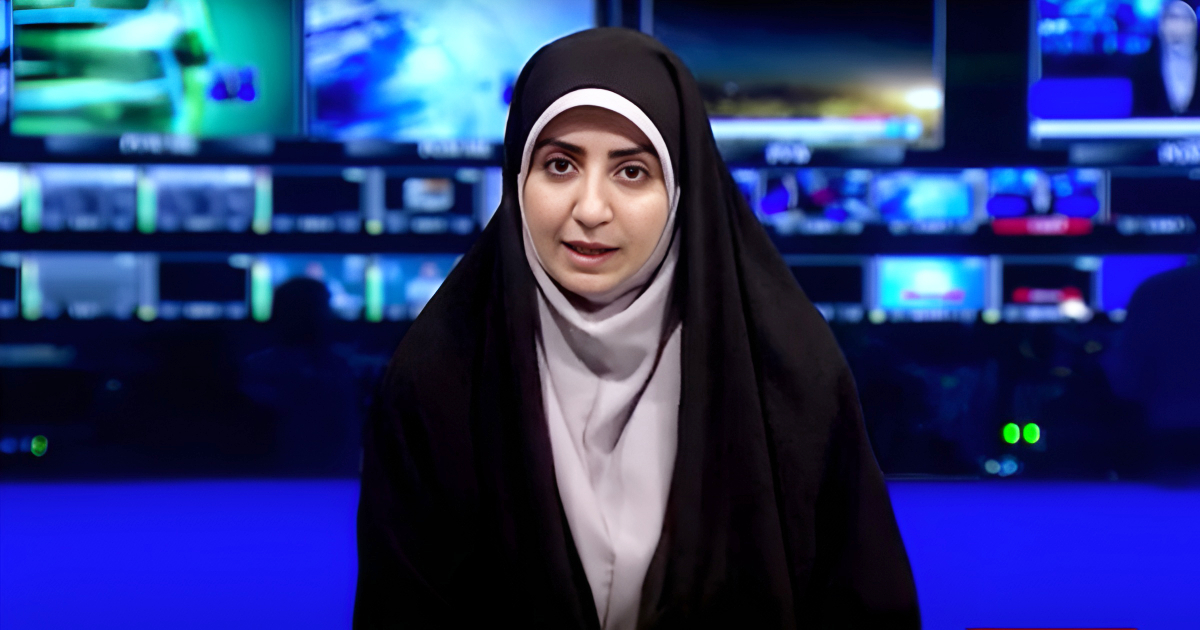
The supreme leader of Iran, Ayatollah Mojtaba Jamenei, issued his first public statement on Thursday since the onset of the war in the Middle East, promising to avenge the dead and warning that his country will continue to attack the Arab neighbors of the Gulf as long as the conflict persists.
In a message disseminated by official media, Jamenei stated that Tehran should use the potential closure of the Strait of Hormuz as leverage, one of the most important maritime routes for global oil transportation.
He also urged Gulf countries to close US military bases on their territory, asserting that the protection promised by Washington is "nothing more than a lie."
The successor and son of Alí Jameneni, eliminated in the early hours of Operation Epic Fury, did not appear on camera during his statement. Israeli intelligence sources claim that he may have been injured during the initial attacks that marked the beginning of the war.
The military escalation is already having significant economic repercussions. The price of Brent crude briefly surpassed 100 dollars per barrel in the early hours of Thursday, after having approached 120 dollars just days earlier, amid rising tensions in the energy and financial markets.
The humanitarian crisis is also worsening within Iran. The UN refugee agency reported that up to 3.2 million people have been displaced by the conflict. Most have left Tehran and other major cities, seeking refuge in rural areas or in the northern part of the country.
Meanwhile, the conflict threatens to expand even further in the region. The Israeli army issued an urgent warning to residents in wide areas of southern Lebanon to leave their homes, anticipating military operations against the Hezbollah group.
Meanwhile, Western diplomats are working to contain the global energy impact. The British Foreign Secretary, Yvette Cooper, arrived in Saudi Arabia to discuss with Gulf allies how to ensure the continuity of oil supply in light of Iranian attacks on oil facilities and ships in the Strait of Hormuz.
For his part, the President of the United States, Donald Trump, stated that stopping Iran is a higher priority than rising oil prices, warning that he will not allow the country to acquire nuclear weapons or destabilize the region.
Filed under: