
Related videos:
From a very young age, we were taught a story full of bravery. In school, we heard the names of young people who stood up against the dictatorships of their time—students who challenged Machado, boys who conspired against Batista, young men who risked their lives because they believed that the country's freedom was worth more than fear. Those accounts were not just simple history lessons; they were presented as moral examples, as proof that the dignity of a people could arise from the courage of its youth. We were taught to admire them, to see in them the symbol of what it means to fight against injustice.
In those stories, there was a clear message: when a government becomes oppressive and the people lose their liberties, rising up against it can be an act of courage and love for the homeland. This is how we were told, this is how we learned, and this is how we grew up believing that dignity consisted precisely in not accepting humiliation or silence.
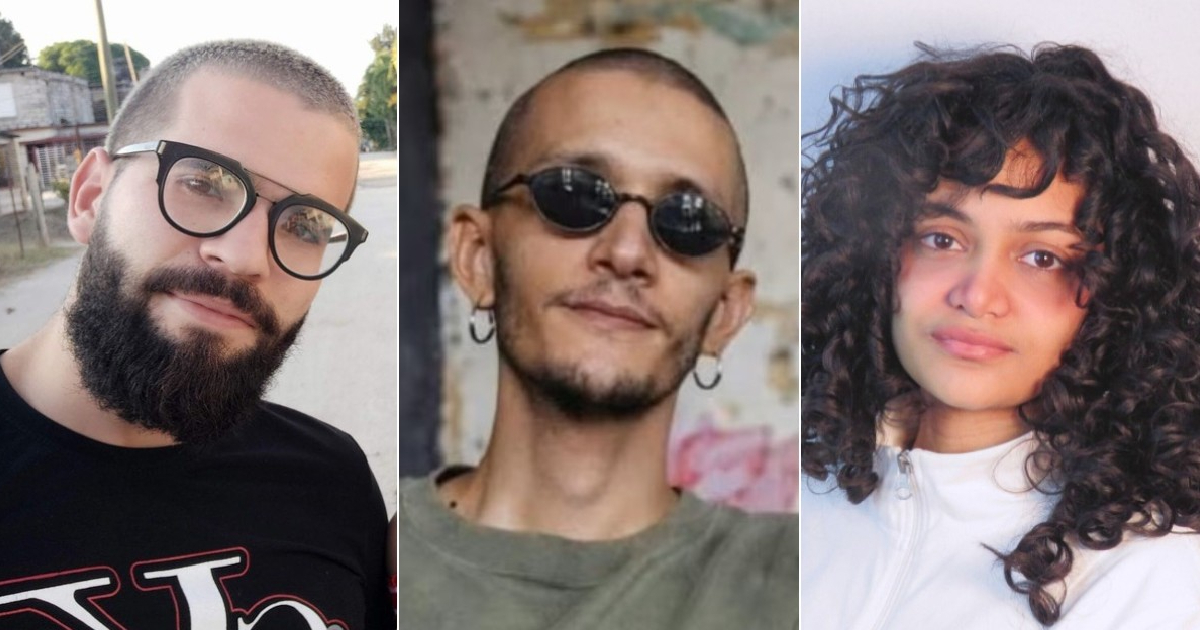
However, over time, a contradiction arises that is impossible to ignore. When today's youth raise their voices in Cuba, when they question a system that has monopolized power for decades, when they ask for change, freedoms, or simply a different future, the narrative changes radically. What was once called bravery in books is now labeled as betrayal. What was previously considered heroism is now turned into a crime. Suddenly, the youth who protest cease to be conscious citizens and are labeled as enemies.
This is where an inevitable question arises. If confronting Batista was a heroic act, why is questioning power today considered unforgivable? If rebelling against injustice was celebrated as a gesture of dignity, why now is dissent treated as a threat?
The paradox is evident. We were taught to admire the rebels of the past, but we are asked to condemn those of the present. We were taught that freedom is won when someone dares to challenge power, yet now it is expected that this principle remains frozen in the history books, as if it can no longer apply to the time we live in.
Perhaps the problem does not lie with the young people who question today, but rather in the discomfort that comes from remembering that history does not exclusively belong to those in power. In reality, history belongs to those who dare to ask whether power is still just.
And perhaps the most honest question we can ask ourselves is not who is right today, but whether we are willing to acknowledge that the same values we admire in the youth of the past may also exist in the youth of the present.
Filed under:
Opinion article: Las declaraciones y opiniones expresadas en este artículo son de exclusiva responsabilidad de su autor y no representan necesariamente el punto de vista de CiberCuba.