
Related videos:
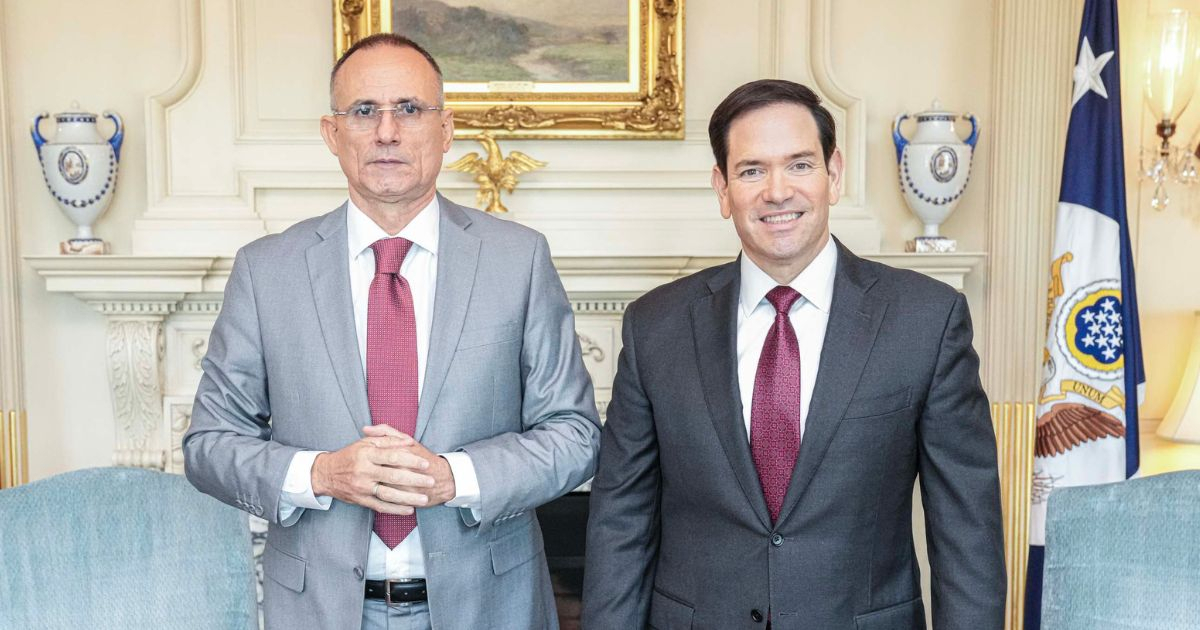
José Daniel Ferrer publicly supported U.S. Secretary of State Marco Rubio amid the rising tension between Washington and the Cuban regime, asserting that his stance on the island reflects a serious commitment to freedom.
The opposition leader expressed on his X account that those who know Rubio understand that when he speaks about the freedom of Cuba, he does so “very seriously” and with a deep understanding of both the reality of the country and what he defined as the “criminal essence of the Castro-communist tyranny.”
His statements come in a context marked by reports of pressure from the administration of President Donald Trump to force changes in the leadership in Cuba.
A report from The New York Times claimed that Washington proposed Miguel Díaz-Canel's departure as a condition to move forward in bilateral talks, while keeping the regime's power structure intact.
This approach generated controversy, particularly due to the possibility that the Castro family would maintain real control over the system, which for many would mean merely a superficial change without deep transformations.
However, Rubio denied that version and labeled the report as false, insisting that the Cuban crisis is a direct consequence of the existing political and economic model and that any progress will depend on real changes within the island.
In parallel, Díaz-Canel responded harshly to the recent statements from Trump and Rubio, whom he accused of trying to "take over Cuba," amidst a rhetorical escalation and the severe energy crisis the country is facing following the loss of Venezuelan oil supplies.
In this scenario, Ferrer went further and rejected any solution that did not involve a structural change.
“There is only one solution: the end of the Castro-communist regime,” he asserted, aligning himself with sectors of the exile community and the opposition that rule out partial reforms or transitions controlled by the ruling elite.
The statement reinforces political pressure regarding Cuba's future at a time when internal crises, bilateral contacts, and an increasingly firm stance from Washington on the need for profound transformations in the country are converging.
Filed under: