
Related videos:
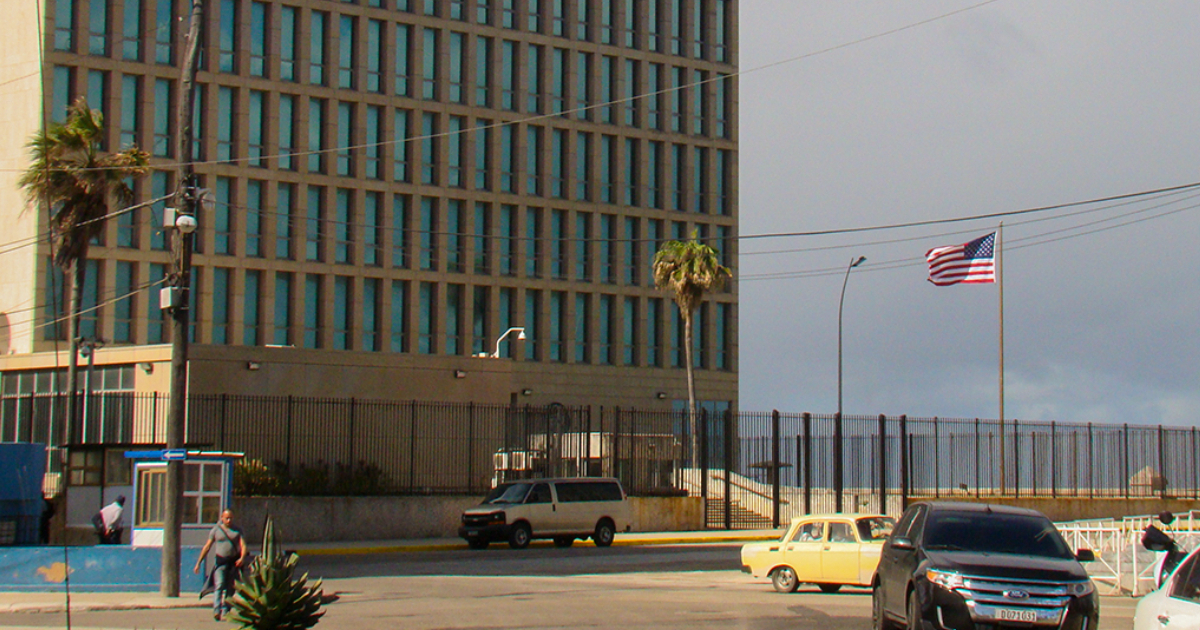
The Cuban government rejected a request from the United States Embassy in Havana to import fuel intended for its generators amid the severe energy crisis facing the island.
According to diplomatic cables reviewed by The Washington Post, the refusal could force the diplomatic mission to order the departure of some of its non-essential staff in May, or even sooner.
The embassy, located on the Havana waterfront, has relied on generators during the frequent power outages of the last 18 months.
According to the information, the mission requested permission to import two containers of fuel from the United States.
The report indicates that, initially, the Ministry of Foreign Affairs of Cuba described the plan as "bold," but it did not clarify that it would prevent the shipment.
However, when the shipment arrived on Tuesday at the Port of Mariel, the foreign ministry informed the embassy that the request had been denied.
In a diplomatic note cited by The Washington Post, the Cuban Ministry maintained that Washington's policy aims to inflict "the greatest possible damage to the Cuban economy, the well-being of the people, and their standard of living."
Additionally, he described the U.S. mission's attempt to access a resource that, according to Havana, is denied to the Cuban population as "brazen."
The source adds that, due to the lack of fuel, embassy employees have been gathered in shared housing to save resources, and that an increasing number of staff are working remotely.
Previous reports indicated that the mission was operating with half of its staff and limited the use of generators in some residences to only four hours a day.
Batteries, solar panels, and satellite phones had also been distributed to support basic operations.
The Washington Post also notes that the crisis does not only affect U.S. representation.
Other embassies in Havana are also facing challenges in securing fuel, and some have reduced their hours, operations, or turned to remote work.
The episode takes place during a time of severe energy deterioration in Cuba, with prolonged blackouts, interruptions in basic services, and a situation that, according to the report itself, has heightened tensions between Washington and Havana.
Filed under: