
Related videos:
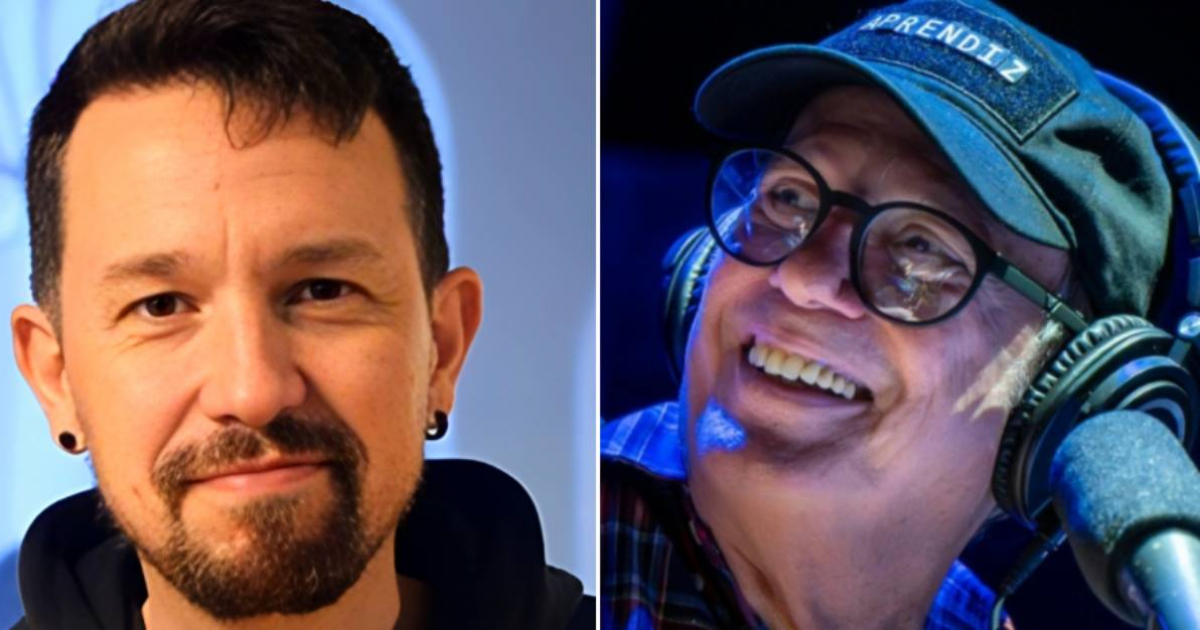
The Cuban troubadour Silvio Rodríguez met in Havana with the former leader of Podemos, Pablo Iglesias, as part of the recent visit of the “Convoy Nuestra América,” which has brought together figures from the international left in Cuba.
The meeting, as recounted by Iglesias himself on social media, included a dinner at a restaurant in Old Havana alongside the musician's family.
"Silvio Rodríguez and his family took us to a very special place in Old Havana… And there, Estefanía Veloz was quite sharp with her journalistic instincts and bluntly asked: Silvio… What do you think about Bad Bunny?" Iglesias reported on X.
The scene contrasts with the daily reality of the Cuban capital, marked by frequent blackouts, shortages, and a notable decline in tourism in historical areas. In that context, the group shared beers and conversations about music, politics, and culture.
Iglesias attached to his post an article that describes the evening. The text discusses Silvio Rodríguez's opinion on Bad Bunny.
The singer-songwriter acknowledged that some songs by the Puerto Rican artist are interesting to him, highlighting the social message of certain themes and their impact on other generations. He also praised the scale of their performances.
"At a long table in a family restaurant in Old Havana, where the light comes and goes and the tourists are becoming fewer, there was Pablo Iglesias, a longtime friend of Silvio and the only one who dares to call him 'compañero' in a group where the 'masters' come and go," the text says.
The Cuban musician's meeting with the Spanish communists unfolded with anecdotes and cross-references to the old trova and the new currents of Latin American music, in a relaxed atmosphere that included Silvio's family and other guests.
The article did not reveal which Havana restaurant they met in. However, it leaves an inevitable reading. While many Cubans struggle with blackouts, inflation, and food shortages, there are foreign political figures and cultural references aligned with the official discourse who share a table in privileged spaces in the capital.
It is not a new scene, but it is very symbolic. There is an ideological elite from the left that visits the island, discusses art and politics, boasts about it on social media, and then leaves, while the structural crisis of the country shapes the daily life of millions of Cubans.
Filed under: