
Related videos:
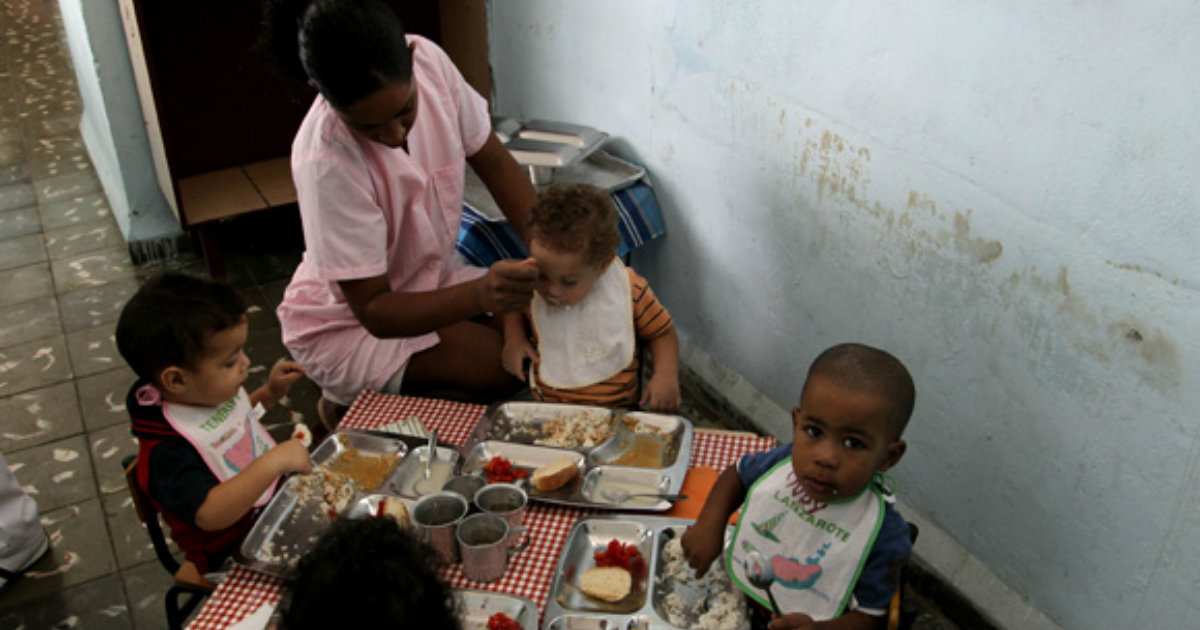
The Ministry of Education of Cuba published Resolution 62 this Thursday, which establishes new institutional care modalities for girls, boys, and adolescents without family support, defining types of homes, capacity limits, and psychological care protocols.
The regulation is part of the Code of Childhood, Adolescence, and Youth, approved by the National Assembly last July, and it represents the first operational guideline detailing how the Cuban state will implement this code concerning care and adoption.
The resolution defines three types of institutions based on the child's age. Urgent or temporary care facilities will have a maximum capacity of 12 children and a stay of up to 30 days, designed for immediate emergencies.
Early childhood institutions will admit a maximum of ten children, with periods ranging from three to six months, aiming to replicate a family-like environment.
Those aimed at children and adolescents aged seven to 18 will be organized into small groups, focusing on preparation for independent living and family re-connection.
The regulation defines institutional care as "an exceptional and temporary protective measure", established by the competent authority, which aims to provide a girl, boy, or adolescent with protection and attention to their emotional and developmental needs.
In theory, this compels the State to seek family alternatives for each minor rather than keeping them indefinitely in an institution.
The resolution also regulates the so-called "solidarity families": voluntary families that host children from state care during weekends or holidays.
According to the official text, "they are not foster families, but rather an emotional respite that allows the child to experience life in a family environment and helps the institution to alleviate its congestion."
Additionally, it establishes that the separation of siblings can only be decided in exceptional circumstances, based on a multidisciplinary assessment that values the best interests of each individual.
In terms of adoption, homes become the center of emotional preparation: before a child is adopted, psychologists and social workers will create a detailed file and prepare the child through progressive meetings with the future family.
However, the gap between the official discourse and reality is profound. In 2023, Cuba had only 54 social assistance centers for minors, which served just over 400 children, according to OnCuba News.
Since 2022, only three new homes for unaccompanied children have been built, with no further progress.
According to data presented to the Cuban Parliament in 2024, there are 100,737 students classified as being in vulnerable situations and 9,006 children aged zero to six in "complex social situations," reported 14ymedio.
Filed under: