
Related videos:
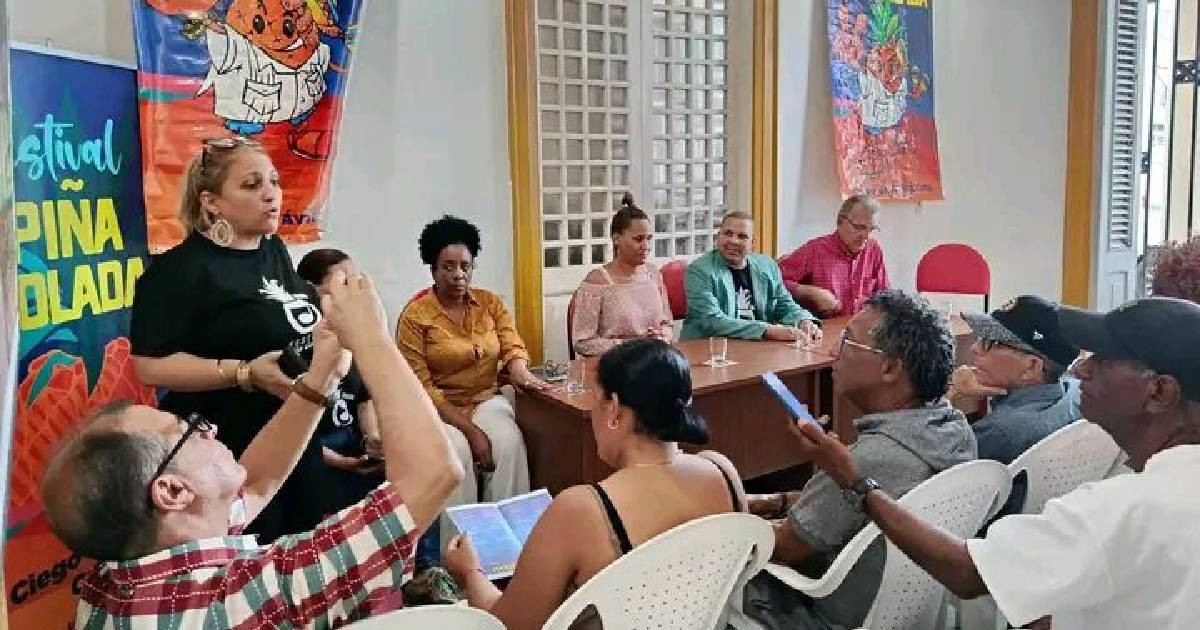
While the residents of Ciego de Ávila endure up to 21 hours a day without electricity, the Cuban regime inaugurated this Thursday the twenty-third edition of the Piña Colada Festival, one of the most important cultural events in the province, featuring concerts, parades, and international gatherings.
The contradiction is hard to ignore: the province has been in maximum blackout condition since March 16, with power cuts prioritizing only hospitals and water pumping, while the state apparatus organizes festivities as if normalcy prevailed.
The technical director of the Provincial Electric Company, Carlos Arencibia Fernández, acknowledged that the situation makes it impossible to establish a stable rotation among the 77 electrical circuits in the province.
The national outlook is not any better. On April 2, the availability of the National Electric System was only 1,375 megawatts against a demand of 2,264 megawatts, with an estimated deficit of 1,725 megawatts during peak night hours. Cuba experienced at least three total system collapses in March: on the 4th, the 16th, and the 22nd of that month. The blackout on March 16 lasted 29 hours and 29 minutes, marking the seventh total collapse in 18 months.
In this context, according to Televisión Avileña, Giusette León García, director of Communication and Events at Mambo SRL, introduced to the media a program of three consecutive days that, according to official promotions, will transform Ciego de Ávila into a stage of art, identity, and folklore.
The main concerts will take place at the Teatro Principal featuring the group Buena Fe and Arnaldo y su Talismán. The program also includes an international gathering of culture and traditions with artists and researchers from various nations, along with a parade in the municipality of Morón featuring floats, puppets, and traditional dances.
Morón is precisely the municipality where protests and pot-banging took place in March due to power outages exceeding 20 hours daily. The demonstrations were met with contempt from the state itself: the spokesperson for the state program Con Filo labeled the protesters as
The XXIII edition of the festival is dedicated to the anniversaries of the José Martí Pioneer Organization and the Union of Young Communists, as well as to the singer Lucy Safont and the musicologist Roberto Bullón Domínguez. The organizer Arnaldo Rodríguez thanked the support from provincial cultural institutions and stated that "the Piña Colada is the soul of Ciego de Ávila during these four days."
The Cuban government anticipates a slight improvement in the electricity supply following the arrival of a ship with refined fuel, although it will take 96 hours to unload and will only cover between seven and ten days of national consumption. For the people of Avila who have gone weeks without being able to refrigerate food, cook, or sleep with ventilation, the festival is yet another example of the gap between official discourse and the reality faced by the Cuban people each day.
Filed under: