
Related videos:
Cancellations of medical agreements in Latin America and the Caribbean have left hundreds of Cuban health professionals at a crossroads: obey the regime's order to return or stay in the country where they work, facing consequences that may include up to eight years of prohibition on returning to Cuba and the forced separation from their families.
Guatemala, Honduras, Jamaica, Guyana, and Antigua and Barbuda have canceled or not renewed their agreements with Havana in the first months of 2026, accelerating the withdrawal of brigades that had been operating in those territories for decades in some cases.
The Cuban regime labels those who do not return as "deserters" or "traitors to the homeland" and imposes sanctions that separate them from their children and relatives for years. The laws are designed to suffocate and intimidate doctors, who risk losing their families.
In light of this situation, human rights advocacy organizations and diplomatic representatives have begun to seek solutions. Recently, a meeting was held in Washington D.C. with representatives of the Guatemalan embassy to explore ways for Cuban professionals to remain in the country legally and safely.
In the case of Guatemala, activists and support groups promote the Green Teams project as a concrete alternative to integrate Cuban doctors into the local health system without relying on the bilateral agreement with Havana.
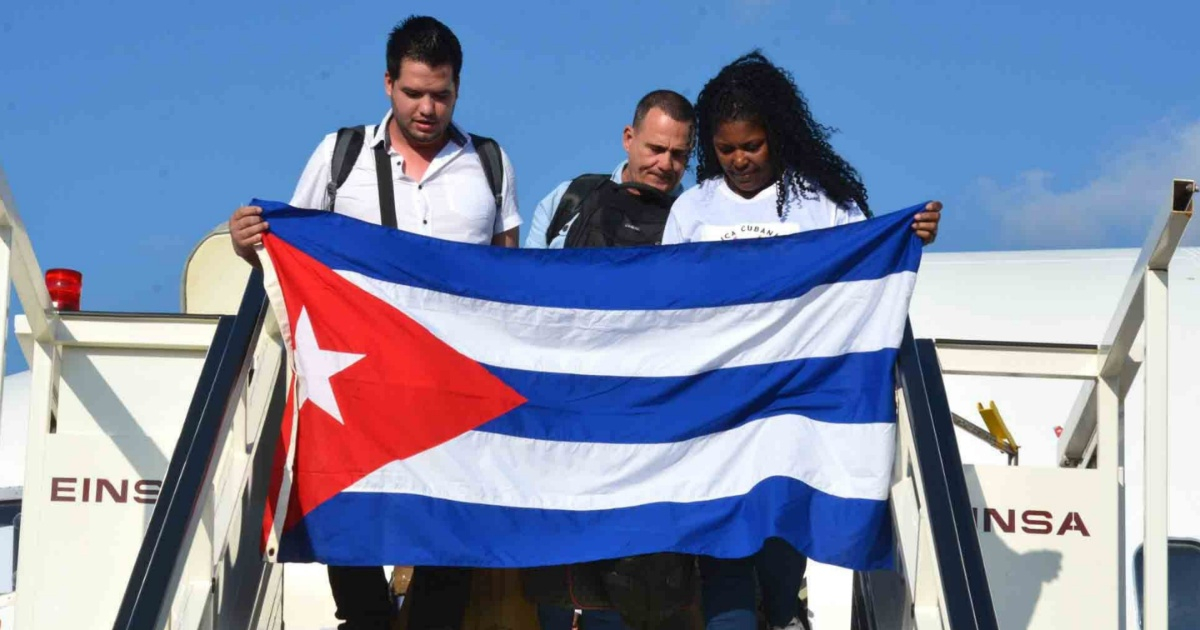
In Jamaica, the situation was different: 277 Cuban health professionals in that country returned to Cuba after declining the offer to stay, in a decision that reflects the weight of family pressures and threats from the regime.
One of the most common complaints among doctors participating in these missions is salary withholding. According to documented testimonies, the regime withholds approximately 85% of the salary that host countries pay for their services, leaving professionals with a minimal fraction of their actual compensation.
The U.S. Department of State has classified the program for the export of Cuban doctors as a forced labor scheme, highlighting the coercive conditions under which these professionals operate abroad.
Organizations such as Prisoners Defenders have documented that 75% of the staff leaves against their will, pressured by economic incentives that are otherwise unattainable in Cuba, or outright coerced by the authorities.
Filed under: