
Related videos:
Cuba has rapidly increased its imports of Chinese solar technology to alleviate the severe energy crisis affecting the island, worsened by the near-total oil blockade imposed by the Trump administration.
According to data from the energy analysis center Ember, cited by Financial Times, China exported 117 million dollars in solar panels to Cuba in 2025, compared to 48 million in 2024 and just 16.6 million in 2019.
Beijing supplied one gigawatt (GW) of photovoltaic panels to the island last year and has promised further support as Cuba aims to generate 15% of its electricity from renewable sources by 2026, according to its economic and social plan.
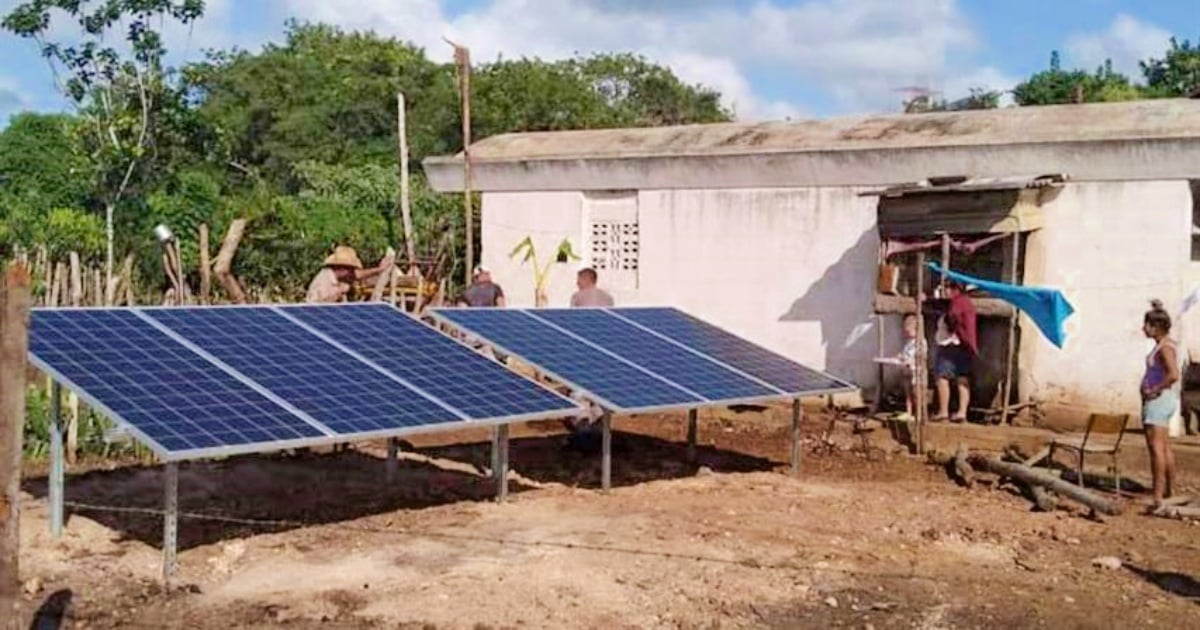
Thanks to this technology, Cuba now has 34 solar parks in operation with a capacity of nearly 1.2 GW, an increase of 350% compared to 2024, which has allowed the solar generation proportion to quadruple to around 9% of the total by the end of last year.
This solar expansion comes at a time of extreme energy emergency: widespread blackouts have been exceeding 1,500 MW of deficit in recent weeks, with generation deficits surpassing 2,000 MW at the worst moments, and there were even two nationwide blackouts in a single week.
The situation worsened even further due to the collapse of fuel supply, until the first shipment of crude oil in almost three months arrived, a temporary relief that does not address the country's structural dependency.
Among the most notable projects of Chinese investment in Cuban renewable infrastructure, Shanghai Electric invested around 60 million dollars in the Mariel solar park, one of the flagship facilities of this new energy initiative.
"In the last 12 months, the government successfully installed 1 GW, so they are halfway to the goal. One gigawatt is a significant amount in the system, and reaching 2 GW would be quite transformative," noted industry analysts.
Filed under: