
Related videos:
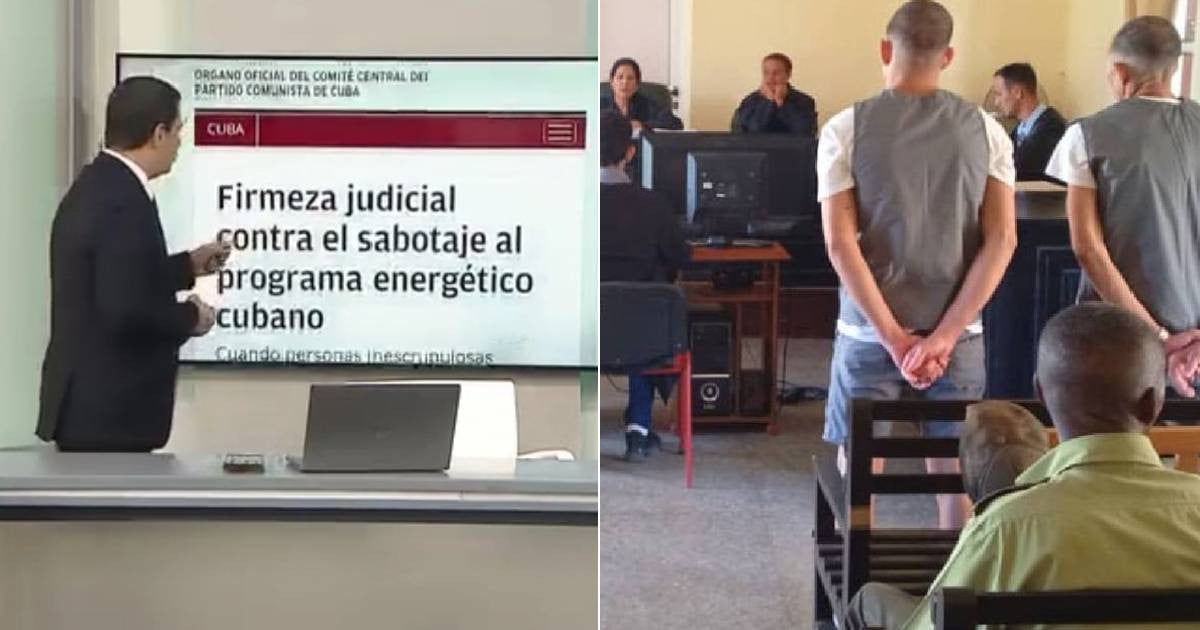
The official spokesperson Humberto López warned this week that Cubans who interfere with the National Electric System (SEN) will be prosecuted for the crime of sabotage, with penalties that can reach life imprisonment or the death penalty.
The warning was issued during a broadcast of the state program "Hacemos Cuba," where López detailed that actions deemed sabotage include the theft of components from photovoltaic parks, dielectric oil from transformers, fuel from generators, and parts of solar panels.
The official newspaper Granma also published an article titled Judicial Firmness Against Sabotage of the Cuban Energy Program, in which the regime reaffirms its position of applying the utmost legal rigor to those who damage the country's electrical infrastructure.
The legal framework supporting these threats is the Opinion 475 of the Government Council of the People's Supreme Tribunal, which establishes criteria for classifying the crime of sabotage in the energy context.
The regulations include penalties of seven to 15 years in basic cases, with aggravating factors that can increase the sentence to life imprisonment or even the death penalty, depending on the severity of the damage caused to the system.
The theft of electrical components is not a new phenomenon in Cuba. In September 2025, a man died electrocuted while attempting to extract oil from a transformer in Santiago de Cuba, a case that highlighted the extent to which desperation drives citizens to risk their lives.
The authorities have already begun to impose exemplary sentences. Two individuals were sentenced in Ciego de Ávila to nine and seven years in prison for acts of sabotage against projects in the energy program.
The context in which these warnings are issued is one of an unprecedented electrical crisis. In March, Cuba had gone three months without receiving fuel supplies, as acknowledged by a deputy minister, which further worsened the country's energy situation.
During that same period, the generation deficit exceeded 2,040 MW during peak hours, and a collapse of the SEN left the island without service for nearly 30 hours between March 16 and 18, marking one of the most severe episodes in recent years.
Filed under: