
Related videos:
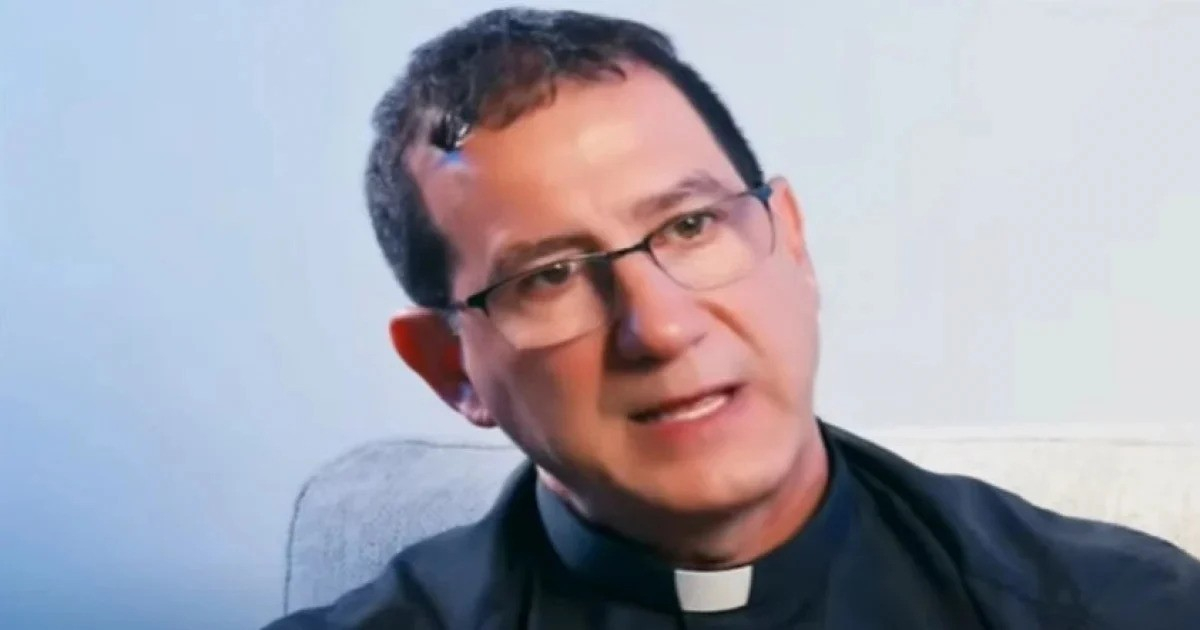
The Cuban priest Alberto Reyes Pías published this Saturday on his Facebook profile another installment of his regular column "I've Been Thinking," featuring a philosophical and political reflection in which he reverses the logic of the Cuban regime regarding what constitutes a crime.
The parish priest of Esmeralda, in Camagüey, argues that the exercise of power changes the way rulers perceive those they govern: they can view the people as individuals to serve, or as something to control and subjugate.
"Perhaps that's why, in Cuba, expressing dissent is a crime," writes Reyes. "It is a crime to take to the streets and protest for the lack of food, medicine, water, and electricity."
From that observation, the priest poses a series of rhetorical questions that directly target the regime: "Is it not a crime to subject a people to hunger, to begging, to the deterioration of health, and even to death due to a lack of medicines?"
"Isn't it a crime to plunge a community into long hours of blackout, to the loss of the little they have to eat, to the torture of having to cook every day with charcoal or firewood?" she continues.
Reyes also questions why it is a crime in Cuba to make the faces of the oppressors public, while citizens are persecuted for "doing nothing more than expressing their thoughts."
It also denounces that churches need authorization from the Office of Religious Affairs of the Communist Party to carry out any public act, and that questioning the authorities is considered a crime, while those same authorities "lie" and hide "tiredly and hypocritically behind the 'blockade'".
The priest points out that in Cuba it is a crime to call for a change of system, and he asks: "Isn't it also a crime to have remained the only system for nearly 70 years, plunging the country into material and human misery, lack of opportunities, family breakdown, and a desperate life?"
He concludes his reflection with a question that summarizes the entire text: "Isn't it a crime to be arrogant, indifferent, and apathetic in the face of a people suffering and dying while clinging to power, turning this island into a perpetual prison?"
The response he gives himself is clear: "Yes, it is a crime, and it is called a crime against humanity."
The post is accompanied by an image with the message: "Thinking differently is not a crime. The crime is not allowing you to think differently."
This reflection comes months after the State Security summoned Reyes along with Father Castor José Álvarez Devesa to subject them to a "warning statement." The priest himself confirmed at that time that the goal was to warn them that their public stances could, according to them, constitute punishable offenses under the law.
Despite this pressure, Reyes has continued to publish week after week. In March, he already warned the repressors that it is never the right time to suppress those who speak the truth or to strike those who demand freedom.
The context in which this new reflection emerges is one of acute crisis: Cuba is experiencing 20-hour daily blackouts, extreme shortages of food and medicine, and systematic repression that has resulted in prison sentences for protesting.
Filed under: