
Related videos:
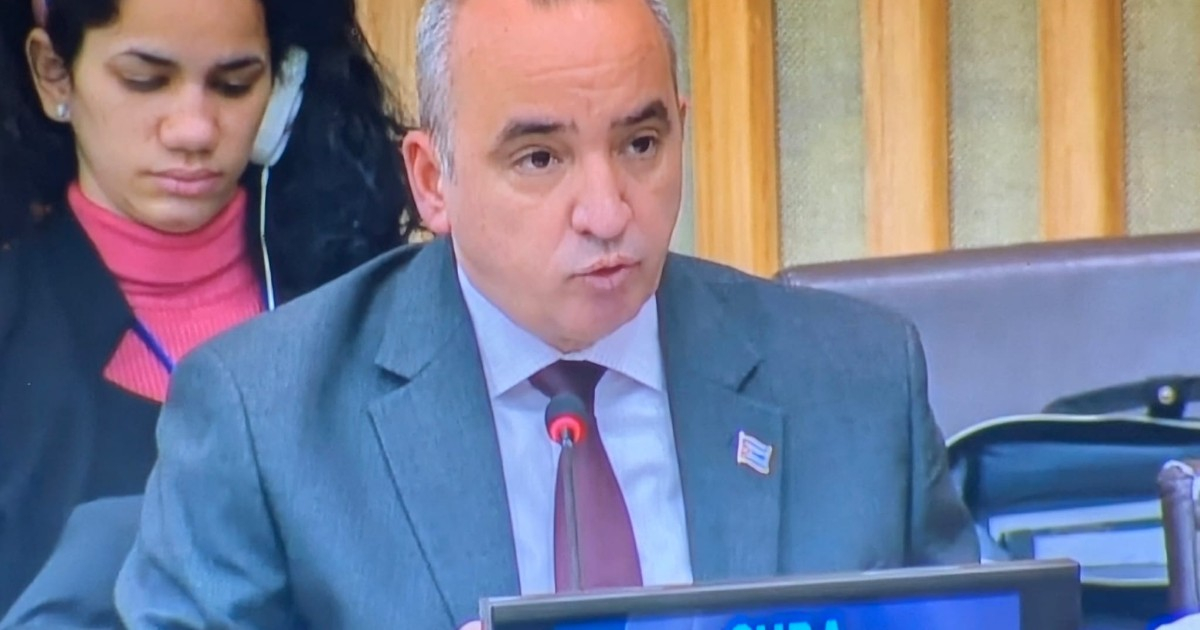
The ambassador Ernesto Soberón Guzmán, Cuba's permanent representative to the United Nations, spoke on Tuesday during the general debate of the 13th session of the Expert Mechanism on the Right to Development, held in New York, to defend that human right and denounce the US embargo, as the island experiences one of the most severe humanitarian crises in its recent history.
According to the official website of the Ministry of Foreign Affairs of the island (CubaMinrex), the session, which ran from Tuesday to Thursday of this week, coincides with the 40th anniversary of the UN Declaration on the Right to Development, adopted in 1986 with 146 votes in favor and only one against: that of the United States.
Soberón stated at the forum that "the current international economic order constitutes a structural obstacle to the realization of the right to development and compromises the fulfillment of the 2030 Agenda."
The diplomat advocated for transforming international financial architecture, ensuring the effective participation of developing countries, and securing equitable access to financing.
Cuba also called for strengthening North-South, South-South, and triangular cooperation, and for fulfilling the commitments of Official Development Assistance.
Soberón denounced the escalation of measures by the United States government against Cuba, including the intensification of the economic, commercial, and financial embargo, as well as the blockade on fuel supplies, pointing out that these measures directly affect the national economy and the well-being of the population, with a disproportionate impact on the most vulnerable sectors.
The intervention is striking given the internal context of the island: the UN officially classified the situation in Cuba as a humanitarian emergency in April 2026, with over 96,000 postponed surgeries, one million people reliant on water trucks for access to drinking water, and almost half a million children facing reduced school hours due to the energy crisis.
Power outages in Cuba reach up to 30 hours a day in some areas, and the electrical deficit hit 1,945 megawatts on April 1, the highest recorded so far this year.
While the regime attributes the entire crisis to the U.S. embargo, analysts and international organizations also point to the structural deterioration of the Cuban economic model and decades of underinvestment in infrastructure as fundamental causes of the collapse.
The executive order signed by President Donald Trump on January 29, 2026, declared Cuba an "extraordinary and unusual threat" and imposed tariffs on countries that export oil to the island, exacerbating the already critical energy deficit.
This is not the first time Soberón has taken a defiant tone in international forums: last February, he claimed that Cuba is ready for a total blockade.
Filed under: