
Related videos:
The UN presented on Thursday an emergency humanitarian action plan valued at $94.1 million for Cuba, which includes a fuel traceability mechanism aimed at ensuring that oil reaches only critical services.
The UN resident coordinator in Cuba, Francisco Pichón, warned that "if the current situation continues and the country's fuel reserves are depleted, we fear a rapid deterioration, with the possible loss of lives."
The plan was presented to dozens of diplomats and representatives of international non-governmental organizations in Havana, with a specific invitation extended to American diplomats, although Pichón did not confirm his attendance.
The proposal is contingent upon reaching an agreement with Washington to allow energy imports for humanitarian purposes.
Pichón described the situation as "an unconventional emergency" in which "the energy blockade has a cascading effect on all areas of national life."
The official explained that the traceability plan and the monitoring mechanism are proposed "as tools to try to reach an agreement, a means to access fuel," and added that "all solutions are being considered, including working with the non-state sector."
The new $94.1 million plan expands the humanitarian response to the hurricane Melissa, which struck Cuba in October 2025 and affected more than 2.2 million people. There was a previous plan of $74 million in place for this situation.
The new proposal encompasses six sectors: logistics and energy, health, water and sanitation, food distribution, education, and the protection of vulnerable individuals.
The energy crisis that prompted the plan escalated sharply from January 3, when the capture of Nicolás Maduro by the United States cut the Venezuelan supply of between 26,000 and 35,000 barrels of oil per day.
On its part, Mexico suspended its shipments on January 9 following pressure from Washington, leaving Cuba with reserves estimated to last only 15 to 20 days.
The impact on the electric system has been devastating. As of March 25, the generation deficit reached 1,885 megawatts during peak nighttime hours, with a supply of only 1,145 megawatts against a demand of 3,000.
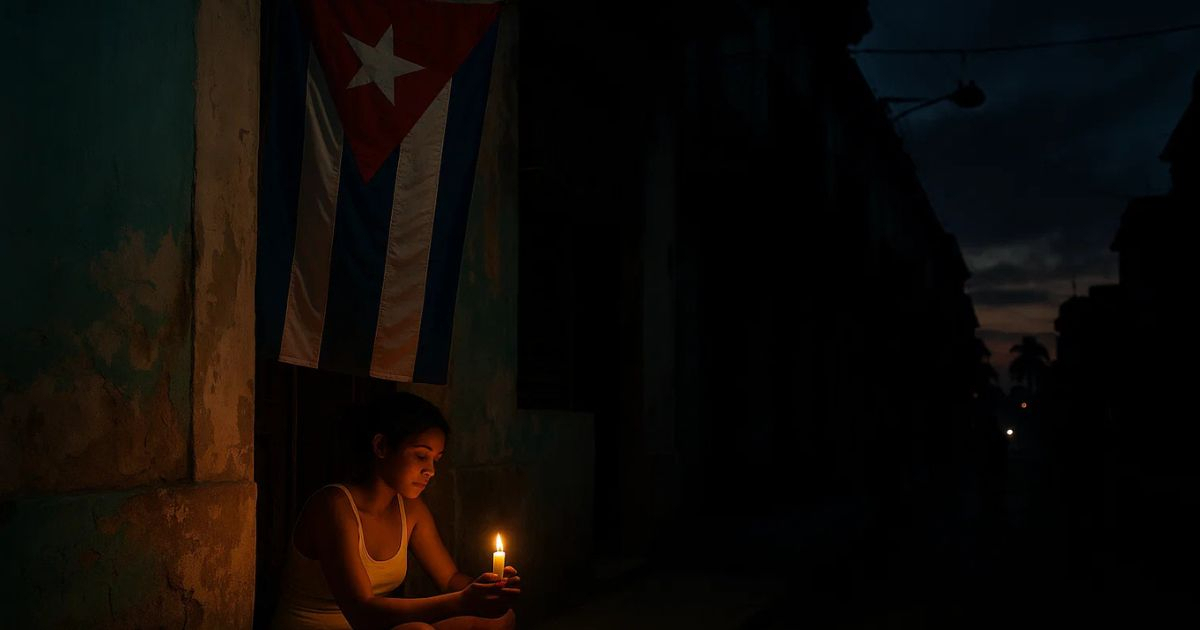
During the week of March 16 to 22, there were recorded two total collapses of the National Electric Power System, with blackouts lasting up to 30 consecutive hours. Satellite images from NASA and Bloomberg documented a 50% drop in the country's nighttime illumination.
The World Health Organization rated the health situation in "deeply concerning", with impacts on medical equipment, the cold chain for vaccines, postponed surgeries, and at-risk cancer and pregnant patients.
UN personnel have largely been unable to carry out fieldwork, and agencies are struggling to retrieve aid shipments from the airports in Havana.
This is not the first time that the UN coordinator has warned about the seriousness of the situation.
In February, Pichón requested a humanitarian exception from the US to allow the supply of oil to the island. The UN had expressed great concern about the humanitarian crisis in Cuba since the beginning of that month.
"The viability and implementation of this action plan obviously depend on fuel solutions," warned Pichón, emphasizing that without an agreement with Washington on energy supply, no humanitarian response can be effectively deployed.
Filed under: