
Related videos:
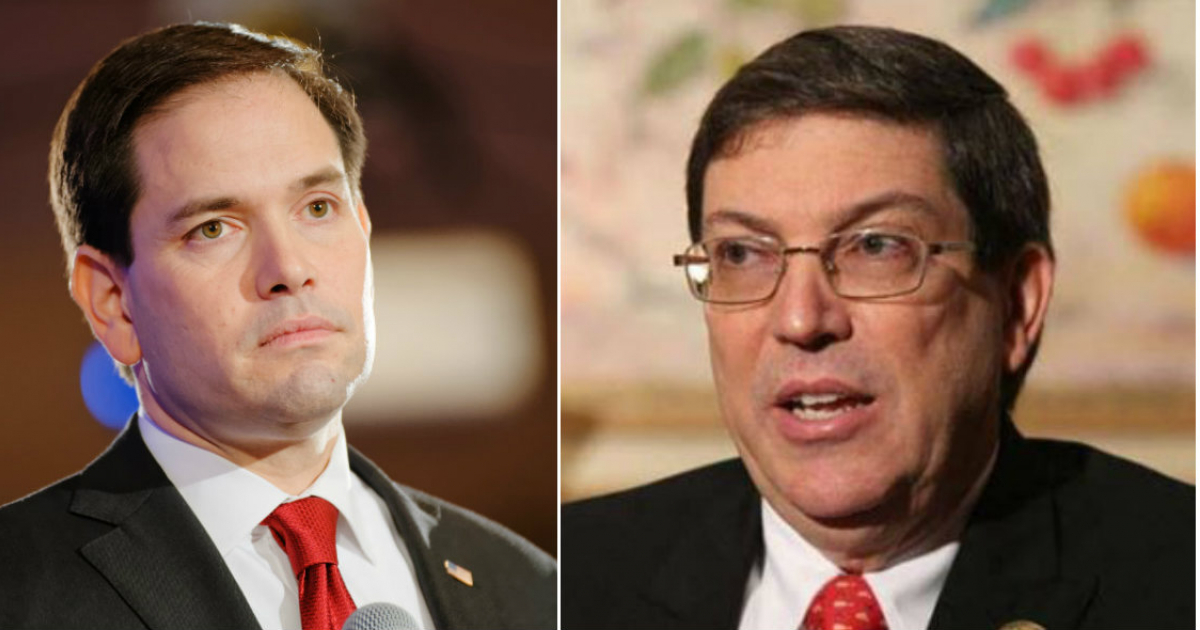
The Cuban chancellor Bruno Rodríguez Parrilla accused the Secretary of State Marco Rubio on Tuesday of "lying" by denying the existence of an oil embargo against Cuba, and he pointed out that Rubio is the very architect of that policy of energy pressure.
Rodríguez responded on his X account to Rubio's statements from the White House podium, where the Secretary of State claimed that "there is no oil blockade against Cuba as such" and attributed the island's energy crisis to the end of subsidized Venezuelan oil.
"He has simply chosen to lie. He contradicts the President and the White House Spokeswoman," wrote the Cuban chancellor.
Rodríguez argued that the reality is "undeniable": on January 29, 2026, Trump signed an executive order threatening tariffs on any country that exports fuels to Cuba, and in four months only one fuel ship has arrived on the island.
"It intimidates and threatens all our suppliers in violation of free trade and freedom of navigation regulations," the chancellor reported.
Rodríguez also pointed to the new executive order signed on May 1, which establishes secondary sanctions in the energy sector, and directly accused Rubio: “The Secretary knows very well the damage and suffering that the criminal oil embargo he proposed to his President is causing to the Cuban people today.”
Rubio, who replaced press secretary Karoline Leavitt—on maternity leave—in the press conference on Tuesday, provided a radically different account.
According to the Secretary of State, Cuba was receiving free oil from Venezuela and reselling 60% of that crude for money without benefiting the population. "You can imagine that nowadays, with oil prices, no one is giving away oil, let alone to a failed regime,” he stated.
Rubio described the Cuban government as a "failed state" led by "incompetent communists" and warned that "things are going to change," without announcing specific measures.
The energy crisis underlying the diplomatic exchange is devastating for the Cuban people. Russian oil barely meets 10% of the island's energy needs, which translates to blackouts of up to 25 hours a day in more than 55% of the territory.
The only significant shipment received since January was the Russian tanker Anatoli Kolodkin, carrying 730,000 barrels, which docked in Matanzas on March 31 as a humanitarian exception. Cuba produces about 40,000 barrels daily compared to a demand of between 90,000 and 110,000.
The exchange occurs in a context of rhetorical escalation.
Trump reiterated on Tuesday that he has "an obligation to do something for Cuba" after claiming to have received 94% of the Cuban vote, while Miguel Díaz-Canel invoked the doctrine of the "War of All the People" days earlier and warned of an alleged imminent military aggression from the United States.
Rubio concluded his remarks with a warning that encapsulates Washington's stance: "We have, 90 miles from our shores, a failed state that is also a favorable territory for some of our adversaries. So, it is an unacceptable situation, and we will address it, but not today."
Filed under: