
Related videos:
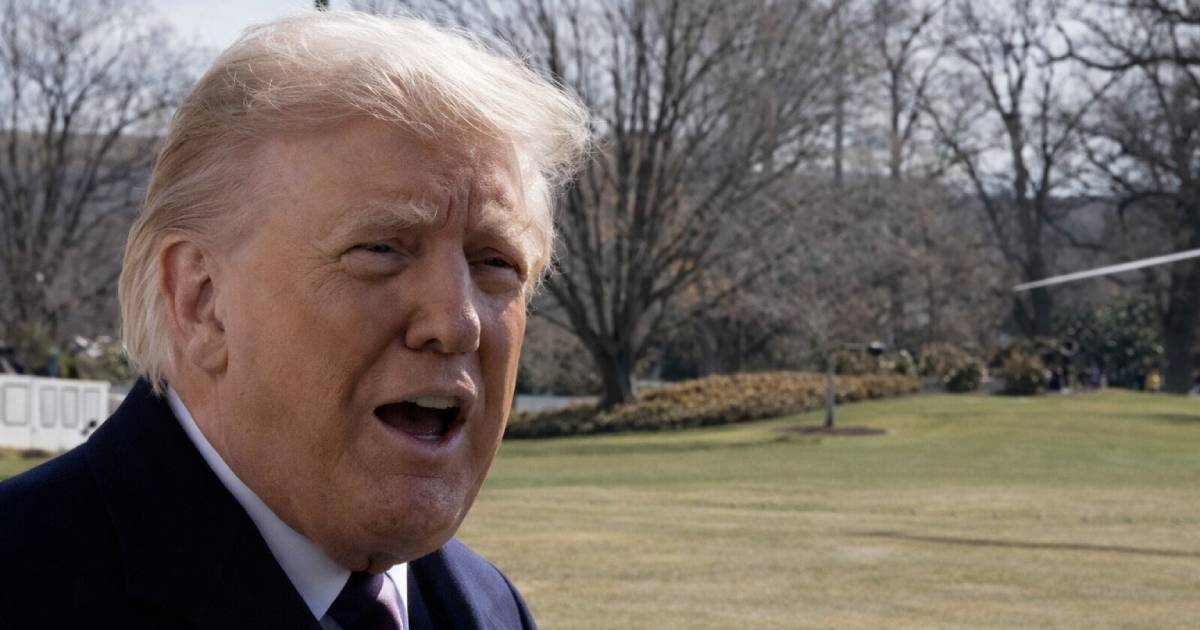
The administration of Donald Trump is experiencing increasing frustration due to the lack of concrete progress in its negotiations with the Cuban regime, despite a sustained escalation of sanctions and diplomatic pressure, as revealed Bloomberg this Thursday.
According to anonymous sources cited by the financial outlet, American negotiators are facing significant challenges in navigating what they perceive as competing factions within the Cuban power structure: the Castro family, the military, the Communist Party bureaucracy, and descendants of other revolutionary leaders.
Despite multiple rounds of negotiation in recent months, the two parties have not made any significant progress.
Last month, a delegation from the Department of State traveled to Havana to meet with the Cuban Ministry of Foreign Affairs and with Raúl Guillermo Rodríguez Castro, the grandson of Raúl Castro (known as El Cangrejo) and the nephew of Alejandro Castro Espín.
It was the first official U.S. visit since the Obama era.
Trump and Secretary of State Marco Rubio are seeking the removal of Miguel Díaz-Canel and the Castro family from power, the economic and political opening of the island, compensation for expropriated assets since 1959, and the release of political prisoners.
That objective is complicated, according to one of the sources, by the absence of a credible internal opposition on the island.
In parallel, Washington has intensified sanctions, noted Bloomberg.
Last week, the U.S. targeted GAESA directly, the business conglomerate controlled by the Cuban military that dominates between 40% and 70% of the island's formal economy.
The strategy replicates the tactic used against Venezuela, when the U.S. began seizing oil tankers that benefited Nicolás Maduro and his family.
Foreign companies operating in Cuba, including Spanish hotel operators, have until June 5 to end their ties with the military conglomerate under the threat of secondary sanctions.
The energy crisis on the island exacerbates the situation. This Thursday, the Cuban Minister of Energy, Vicente de la O Levy, publicly admitted: "We have absolutely no fuel, we have absolutely no diesel."
The electricity generation deficit reached a record of 2,174 MW, leaving nearly 70% of the national territory without electricity.
International shipping companies halted operations and bookings to Cuba following the sanctions against GAESA, further deepening the regime's isolation.
Rubio also accused Havana of blocking a 100 million dollar humanitarian aid offer channeled through the Catholic Church.
Cuban Foreign Minister Bruno Rodríguez, for his part, rejected the proposal, calling it a "fable."
Consulted by Bloomberg, a White House official referred to Trump's statements from Tuesday, in which the president described Cuba as "a failed nation" poorly managed for years, and assured that the U.S. would make a deal "at the right time."
Brian Fonseca, director of the Public Policy Institute at Florida International University, summed up the impasse accurately: "Economic coercion and diplomatic pressure have yet to shake things up."
Rubio was more direct in an interview broadcast this Wednesday by Fox News: «We will give them a chance. But I don’t believe it will happen. I don’t think we can change the course of Cuba while these people are in charge of the regime».
Filed under: