
Related videos:
The publication from Axios regarding an alleged Cuban military drone program has reignited one of the most sensitive topics for national security in the United States: the presence of hostile capabilities just 90 miles from Florida.
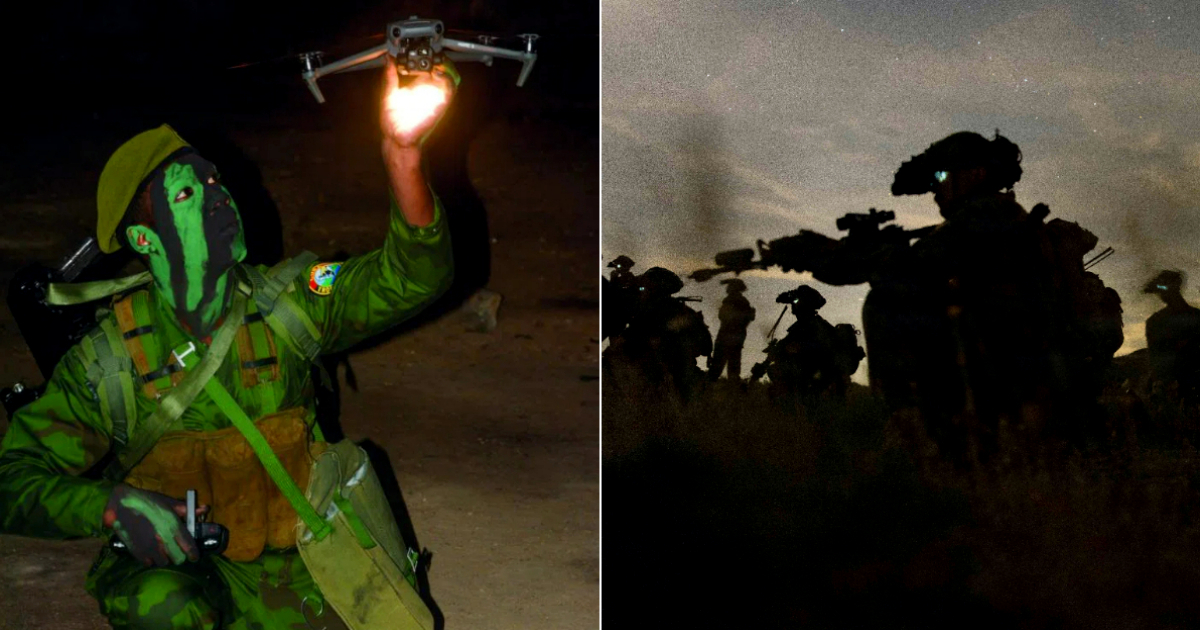
According to the report, based on classified U.S. intelligence, Cuba has reportedly acquired over 300 military drones from Russia and Iran since 2023, and officials from the regime have discussed potential scenarios for use against the Guantanamo naval base, U.S. military vessels, and even Key West.
Although Washington insists that there are no signs of an imminent attack, several analysts believe that the case could become a new flashpoint between the Trump administration and Havana.
The very report from Axios indicates that this intelligence "could become a pretext for U.S. military action", especially in the current context of maximum pressure against Iran and Russia's allies in the Western Hemisphere.
The concern of the United States is not limited solely to Cuba. American officials are increasingly worried about the military cooperation between Havana, Moscow, and Tehran, as well as the presence of Russian and Chinese intelligence infrastructure on the island.
The development of inexpensive and hard-to-detect drones has transformed modern warfare. In Ukraine and the Middle East, relatively affordable devices have managed to attack military bases, energy facilities, and ships without the need for extensive traditional air capabilities.
That is why, although Cuba lacks a modern air force and faces a deep economic deterioration, Washington fears that the regime may opt for asymmetric warfare strategies inspired by Iran.
The visit of CIA Director John Ratcliffe to Havana last week seems to confirm the level of concern within the U.S. government. According to Axios, Ratcliffe directly warned Cuban officials against any acts of hostility and made it clear that Cuba “cannot continue to be a platform for adversaries to advance hostile agendas in the hemisphere.”
In parallel, the Department of Justice is preparing charges against Raúl Castro for the downing of the Brothers to the Rescue planes in 1996, and new sanctions against the regime are expected.
Despite the intensification of rhetoric, experts believe that a direct military intervention by the United States against Cuba is unlikely in the short term. However, they do warn that any incident involving drones, even if limited or accidental, could trigger an extremely delicate escalation.
The situation serves as a reminder that, although the Cold War ended decades ago, Cuba still holds a sensitive position in Washington's security strategy, especially when its alliances include governments regarded as adversaries of the United States.
Filed under: