
Related videos:
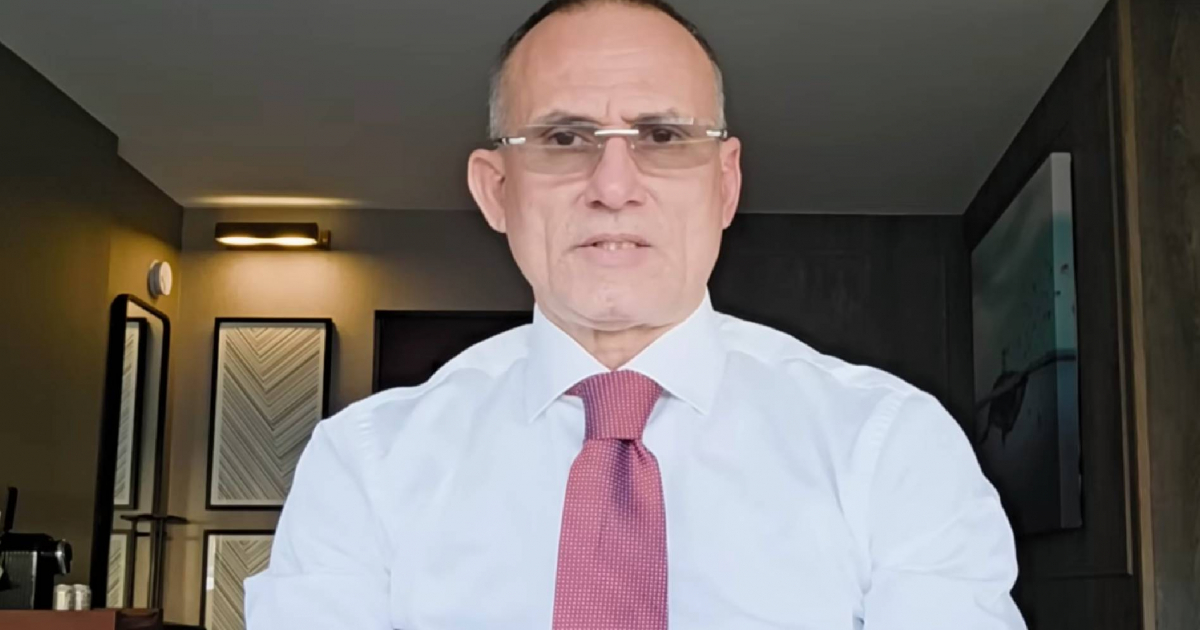
José Daniel Ferrer García, leader of the Patriotic Union of Cuba (UNPACU), warned this Sunday that if the Castro-communist regime is not eliminated, its allies will help it arm itself to the teeth, posing an even greater threat to the United States, in a post on his Facebook account that directly responds to the report regarding the acquisition of military drones by Havana.
Ferrer linked that arms purchase to a deliberate strategy by the regime to withstand pressure from Washington by replicating the logic of the 1962 Missile Crisis.
"The purchase of drones and the bravado of the Castro-communist regime, which threatens a 'bloodbath,' is because they believe they can emerge unscathed from the current confrontation with the United States, reminiscent of the 'Cuban Missile Crisis' in 1962," wrote the Cuban opposition member.
The message comes a day after Axios published a report based on classified intelligence stating that Cuba has reportedly acquired more than 300 military attack drones from Russia and Iran since 2023, stored in strategic locations throughout the island.
According to that intelligence, Cuban officials reportedly discussed plans to use those drones against the Guantánamo naval base, U.S. military vessels, and possibly Key West, Florida, just 90 miles from Havana.
Ferrer went further in his warning, stating that the regime is willing to do anything to stay in power: "I have been saying this for several months: in order to maintain their grip on power, they are even capable of bringing nuclear missiles back to Cuba."
Using the metaphor of the "killer bacteria," the opposition leader emphasized that a confrontation that is not resolved at its roots could leave the regime stronger than before.
"I said it and I repeat it: what is started must be finished, or the 'killer bacteria' may emerge stronger. If the Castro-communist regime is not eliminated, its allies will help it arm itself to the teeth, and it will pose a much greater danger to the U.S.," Ferrer concluded.
The congressman Mario Díaz-Balart also warned that the Cuban drones are just 90 miles from U.S. shores and near critical infrastructure, labeling the regime a threat to national security.
The regime, for its part, did not deny the acquisition of the drones. The deputy minister Carlos Fernández de Cossío invoked the principle of legitimate defense without disputing the facts, while the chancellor Bruno Rodríguez Parrilla avoided mentioning the report directly and accused the U.S. of fabricating pretexts for military aggression.
Escalation occurs at a moment of maximum tension: the CIA director, John Ratcliffe, traveled to Havana on May 15, and shortly before, the Secretary of Defense Pete Hegseth had confirmed before Congress that Cuba poses a threat to the national security of the U.S.
Ferrer’s position contrasts with that of analysts like Daniel DePetris, who argued that the acquisition of drones responds to the conventional military obsolescence of the regime and dismissed a preventive attack as "highly unlikely, if not completely irrational," as well as with that of Democratic Senator Rubén Gallego, who rejected the report from Axios. “This is just propaganda to build a case for an invasion of Cuba,” he said.
While the regime avoids directly denying the report about the drones, reactions and warnings regarding Havana's ties with its allies continue.
Filed under: