
Related videos:
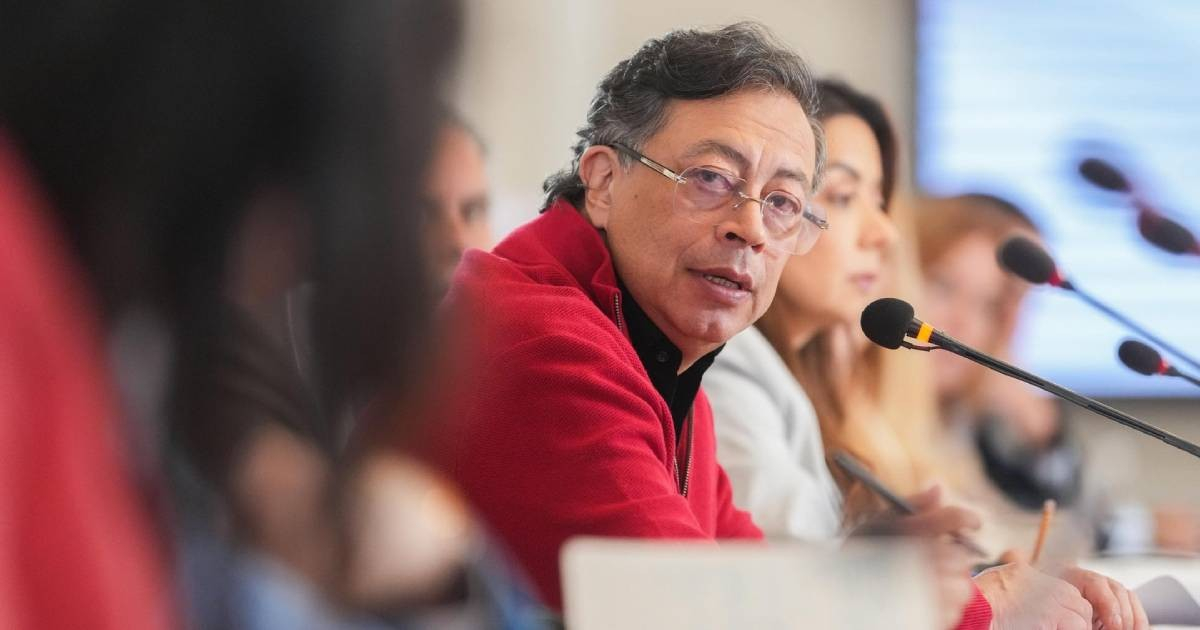
Colombian President Gustavo Petro ordered his officials this Sunday to urgently purchase and send Colombia's surplus rice to Cuba, in a message posted on his X account that elicited immediate reactions.
“If there are rice surpluses in Colombia, they must be urgently purchased and sent to Cuba. I don’t want lazy and scared officials when it comes to feeding an entire population,” wrote Petro.
The president published this text as a direct response to the announcement made by the Chinese ambassador in Havana, Hua Xin, who last Saturday reported the delivery of 15,000 tons of rice as the first shipment of a total donation of 60,000 tons from China to the island.
"Today we delivered 15,000 tons of rice, the first batch of the donation project of 60,000 tons of emergency aid to Cuba, which once again demonstrates the brotherhood and solidarity between China and Cuba," wrote the Chinese diplomat.
Petro's call is not the first in this regard. In July 2025, Colombia already sold more than a thousand tons of rice to Cuba, a deal of 1,644 tons in total that benefited nearly five thousand small producers from Tolima for an approximate value of 1.5 million dollars.
In April of this year, Colombia sent an airplane with medicines and food to Cuba, and Petro also announced the shipment of solar panels to the island.
The Colombian rice context supports the viability of the announcement. In January of this year, the National Federation of Rice Producers (Fedearroz) alerted the government about the need to withdraw nearly 250,000 tons of inventories to protect the harvest for the first half of the year, in a country that has historically recorded surpluses of up to 350,000 tons.
Cuba, for its part, is experiencing a severe food crisis. Domestic rice production fell from 304,000 tons in 2018 to historic lows, and the availability of the grain has decreased by 41.5% since 2005. In the informal market, the price of a pound of rice surpassed 300 Cuban pesos in 2025—reaching over 350 in areas of Havana—against an average monthly salary of about 4,000 pesos.
In light of this situation, several allies of the regime have intensified their shipments. China committed a total of 90,000 tons of rice for 2026, approved by Xi Jinping in January along with financial assistance of 80 million dollars for electrical equipment. Mexico has accumulated more than 3,125 tons of humanitarian aid sent since February, and rice sales from the United States to Cuba quintupled in the early months of the year, reaching nearly five million dollars in January and February.
Petro has been one of the most active defenders of the Cuban regime in the region. On May 6, during a speech at the National University of Colombia, he stated that Cuba "should be applauded and assisted, not invaded", in response to remarks made by President Donald Trump. He has also referred to the U.S. embargo as a "genocide" that "starves" the Cuban people.
The accumulated debt for rice in the Cuban state network exceeded 150,000 tons in March of this year, equivalent to about 60 million dollars, highlighting the scale of the deficit that external shipments are attempting to cover, so far without definitive success.
Filed under: