
Related videos:
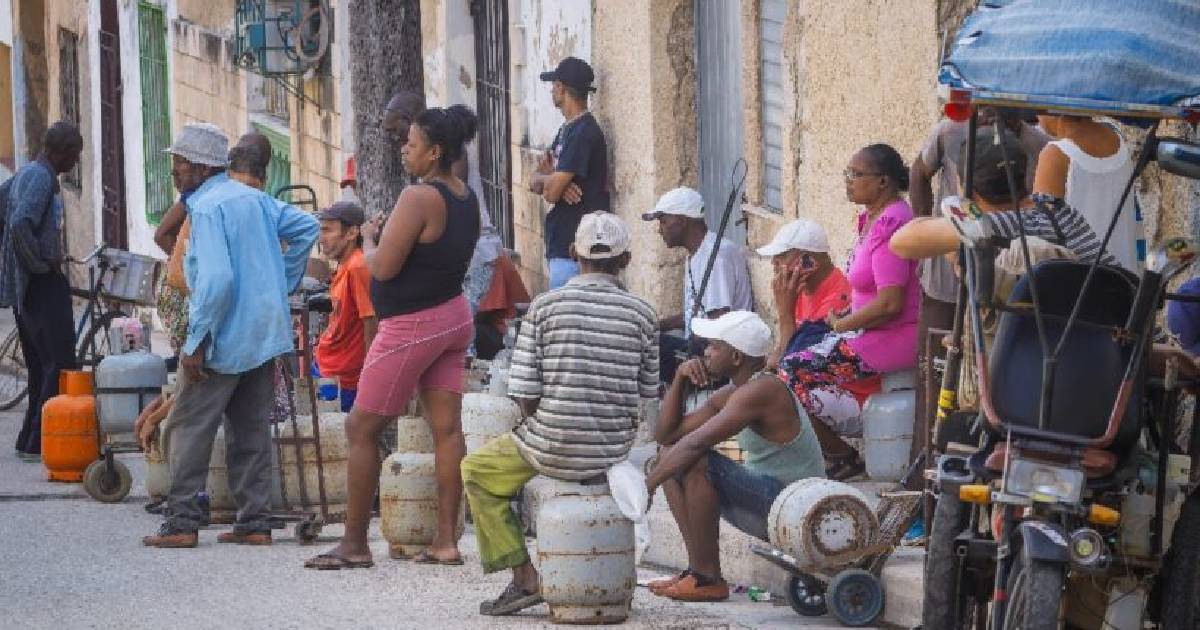
The correspondent for CNN in Cuba published a direct account this Wednesday regarding the electrical crisis that is devastating the island: in his neighborhood in Havana, there was only one hour of electricity that day, while in other areas residents have been without power for days.
"The situation is quickly becoming uninhabitable for many in Cuba," wrote the journalist, in one of the most stark descriptions made public by an accredited correspondent on the island regarding the energy collapse affecting the population.
The testimony comes at a time of heightened tension: Cuba again approached 2,000 MW of blackouts this Wednesday, with availability below 40% of the national demand.
The electrical crisis of 2026 is the most severe in recent Cuban history. On May 14, the Electric Union (UNE) reported a deficit of 2,174 MW with only 976 MW available versus a demand of 3,150 MW. On May 16, 51% of the country experienced a power outage simultaneously. On June 1, the UNE projected a deficit of 1,940 MW for peak hours, with barely 1,160 MW available.
The causes are structural: recurring breakdowns in obsolete thermoelectric plants, chronic fuel shortages —authorities acknowledged months without receiving supplies for generation between January and April 2026— and insufficient installed capacity to meet basic demand.
The crisis has also caused problems with access to water, difficulties in reaching medical appointments, and severe impacts on hospitals and essential services.
This Wednesday, Havana woke up to banging pots and protests in neighborhoods such as El Vedado, Centro Habana, and Playa, directly linked to the power outages. Cubalex documented at least 14 arrests in the capital related to protests over the lack of electricity since March 6, 2026.
The event coincided with the 95th birthday of Raúl Castro, who was born on June 3, 1931, in Birán, Holguín. The CNN correspondent noted: "Raúl Castro turns 95 today while the revolution that he and his brother Fidel started faces unprecedented pressure, and he is formally charged in the United States."
The Department of Justice of the United States declassified on May 20 a formal indictment against Raúl Castro and five former Cuban officials for the downing of two aircraft belonging to the organization Brothers to the Rescue on February 24, 1996, which killed four American citizens: Carlos Costa, Armando Alejandre Jr., Mario de la Peña, and Pablo Morales.
The charges include conspiracy to kill U.S. nationals, destruction of aircraft, and murder. This is the first time a former Cuban head of state has been formally charged by U.S. justice.
Miguel Díaz-Canel described the accusation as a "political maneuver without legal basis," while the regime organized celebrations for Castro's birthday and the public protested in the streets.
On May 13, Díaz-Canel himself admitted that the situation in Cuba was “particularly tense”, a description that the testimony of the CNN correspondent renders euphemistic in light of the reality experienced by the population.
Filed under: