
Related videos:
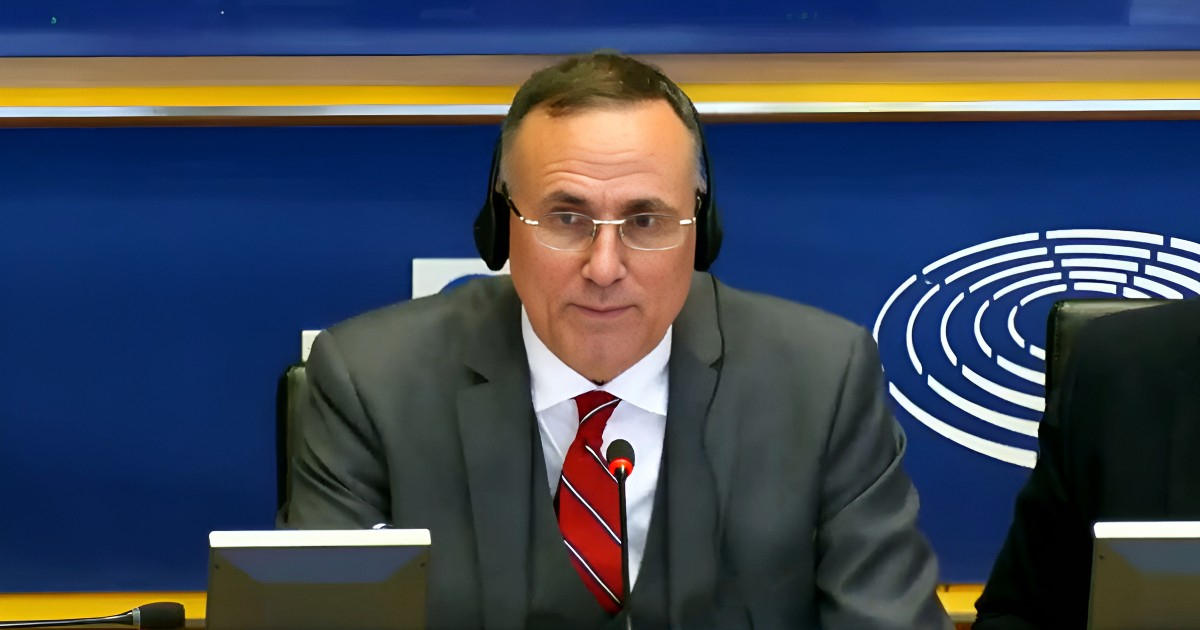
José Daniel Ferrer, coordinator of the Cuban Patriotic Union (UNPACU), warned in a letter sent to Infobae that the island is experiencing what he described as a "October Crisis 2.0", a combination of internal collapse of the regime and strategic penetration by Russia and China that is comparable in severity—though different in form—to the missile crisis of 1962.
"Cuba is once again at the center of a dangerous geopolitical storm," Ferrer stated. "Not due to its own strength, but because of the explosive combination of a dictatorship in terminal crisis, an exhausted population, increasingly brutal repression, and a growing confrontation between the Castro-communist regime and the United States," he analyzed.
The opposition leader described the internal situation as "the worst crisis in its history": extreme misery, famine, endless blackouts, a healthcare crisis, paralyzed transportation, and social despair, all suppressed by the Political Police through "imprisonment, violence, torture, threats, and terror." The electricity generation deficit reached a record of 2,153 MW on May 13, leaving 51% of the country without electricity simultaneously, while the economy has accumulated a contraction of nearly 23% since 2019.
The political prisoner pointed out that Washington has intensified its actions against the regime. He cited the executive order from President Donald Trump that categorizes the dictatorship as "an unusual and extraordinary threat to American national security," in addition to sanctions against high-ranking Cuban officials and the charges against Raúl Castro for seven criminal offenses, including four murders linked to the shooting down of planes from Hermanos al Rescate in 1996, a scenario that the old Castro regime "had believed for decades was impossible: having to answer to American justice."
"The fall of Nicolás Maduro in Venezuela on January 3 also changed the equation," Ferrer wrote. "For years, Caracas was the great economic, oil, and political lifeline of Castroism. Without Venezuela, Cuba is much more exposed," he emphasized.
In that void, Moscow and Beijing emerge as the new pillars of the regime. Regarding Russia, Ferrer was direct: "The signs of energy, financial, and political support are not gestures of humanitarian solidarity; they are strategic moves." He added that "Russia does not want to lose the last significant symbolic piece of the Cold War in America" and that, following Putin's failure in Ukraine, "it sees Cuba as an important trump card."
About China, the analysis noted that Beijing does not view Cuba "with ideological nostalgia, but with imperial calculation," as the island represents "an exceptional platform: located just 90 miles from the United States, with a regime in need, dependent, and willing to cede sovereignty in exchange for survival." Secretary of State Marco Rubio confirmed before the Senate last Monday that Cuba "continues to host intelligence sites linked to both powers."
Ferrer warned that in the 21st century, visible nuclear missiles are not necessary. "Listening stations, radars, cyber capabilities, electronic intelligence, naval presence, and control of strategic infrastructures are sufficient," he emphasized. "A desperate regime can sell everything: ports, telecommunications, bases, information, territory, and national sovereignty," he cautioned.
The opposition figure, who had predicted days earlier that "the communist regime is finished and will fall faster than Maduro," described the intentions of the dictatorship unequivocally: "It does not want real reforms; it wants to negotiate impunity. It does not want to free the economy; it wants to maintain military control over national wealth. It does not want sovereignty; it wants foreign protection to continue oppressing Cubans."
The letter concluded with a warning about the lesson of 1962 and a direct appeal to Washington: "Saving world peace should not mean perpetuating the enslavement of a nation." Ferrer asserted that the current crisis "must not end with another agreement that leaves the Cuban people at the mercy of their executioners" and concluded that "the security of the United States and the freedom of Cuba are fully aligned. This historic opportunity must not be jeopardized."
Filed under: