
Related videos:
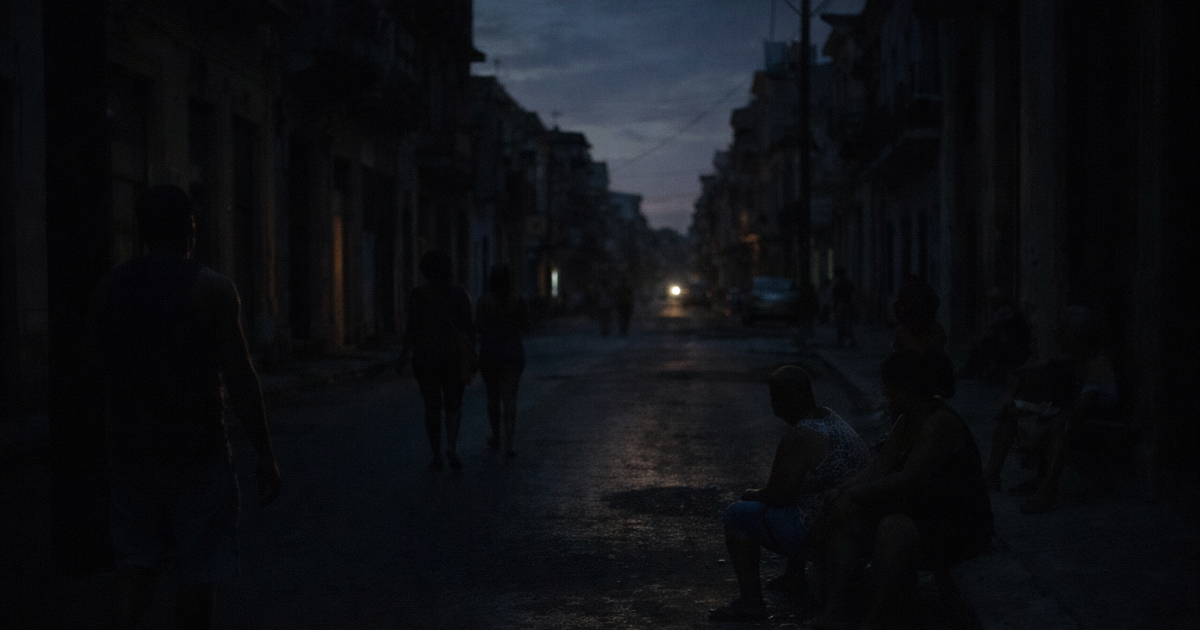
More than 100 families from the municipality of Puerto Padre, in the province of Las Tunas, have gone 13 consecutive days without electricity or drinking water following the explosion of a transformer, according to a report collected by elToque through its Citizen Report section.
The blackout began on the night of June 3, when the transformer located at the corner of 25 de Diciembre Street and Jesús Menéndez exploded. Since that moment, the residents of the area have not had electrical service for even a single day, and the lack of power has also interrupted the water supply.
The residents tried to seek a solution from the local authorities, but the response was one of complete neglect.
On June 10, the Mayor of the municipality received them for less than a minute, according to the complainants, because he had just had lunch and had a pending meeting.
"We did not ask for a transformer, just a water pipe. Their response was blunt: there's no water, no transformers, no fuel, nothing at all," shared the neighbor who contacted elToque.
Two days later, the Delegate assured them that the transformer was being repaired and that it would soon be installed. The promise was not kept either.
The situation has led to a health emergency for the minors in the area. "The children bathe with stored rainwater, and many have shown symptoms of poisoning. We have no source for water. They promised trucks and information, but they are just lying to us. We are desperate; we don't know what to do anymore," the resident reported.
The case is not isolated within the province.
The municipality of Manatí, also in Las Tunas, had been without stable water service for more than a month as of May 31 due to a breakdown at its pumping station.
In March, the informal water truck market in the province charged up to 7,000 pesos per trip, an amount that is unattainable for most families.
The Provincial Government Council acknowledged in May that Las Tunas pumps between 420 and 430 liters per second, well below the 600-700 liters required to ensure a stable supply cycle.
The crisis in Puerto Padre is part of the most severe energy collapse Cuba has experienced in decades.
On June 15, the outage of the Antonio Guiteras thermoelectric power plant triggered a projected electrical impact of 2,085 MW nationwide, just two days before this report was published.
Puerto Padre was already carrying a history of social unrest due to these same deficiencies.
In September 2025, residents of Maniabón, a locality in the same municipality, took to the streets demanding electricity, water, and food.
The repression reached minors, with detentions that included a 16-year-old pregnant girl and a 17-year-old boy.
By the end of May 2026, about 2.7 million Cubans were facing daily water shortages, according to official figures, as the water system was operating with only 37% of the fuel it needed to function.
Filed under: