
Related videos:
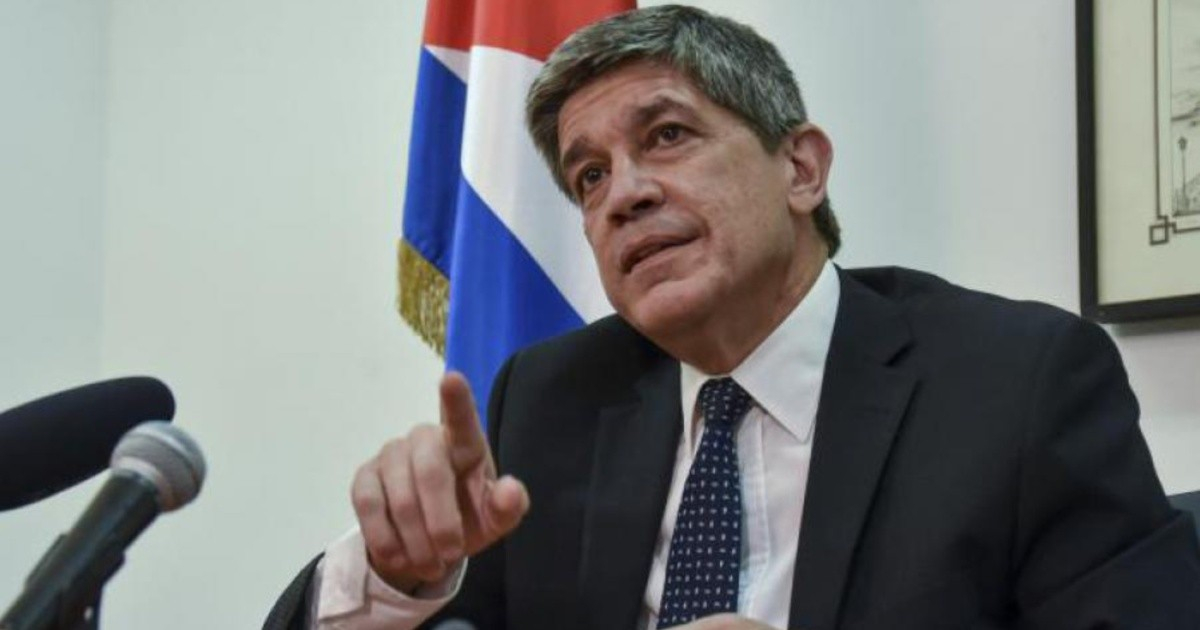
Cuba's Deputy Foreign Minister, Carlos Fernández de Cossío, criticized the United States' sanctions policy against the island this Thursday, asserting that Washington has escalated its economic pressure to an "unbelievable" level by trying to prevent citizens and businesses from third countries from maintaining commercial relations with Cuba.
In a message posted on his X account, the Deputy Foreign Minister denounced the extraterritorial nature of U.S. measures.
"The aggression of the U.S. against Cuba has taken on the unbelievable form of prohibiting citizens and businesses from any country from engaging in certain commercial ties with Cuba. The stance of the governments of these citizens and businesses does not matter. They are left unprotected under the coercive arm of the U.S.," he wrote.
The statements come just two days after Secretary of State Marco Rubio announced a new expansion of the sanctions program against entities linked to the Cuban regime.
On June 23, Washington added the International Financial Bank (BFI), RAFIN, Almacenes Universales (AUSA), GeoMinera, and Antillana de Acero to its sanctions list, along with Annalie Lilliam Rueda Cardero, the wife of Alejandro Castro Espín, son of Raúl Castro.
When announcing the measures, Rubio warned that any foreign bank or company maintaining business relations with the sanctioned entities could face restrictions on access to the U.S. financial system, an aspect that the Cuban government views as an extraterritorial application of sanctions.
The new round of restrictions is part of the pressure policy implemented by the administration of President Donald Trump, which has strengthened economic measures against Cuban state and military enterprises since early 2026.
Among them is Executive Order 14404, signed on May 1, which established a new sanctions program under the International Emergency Economic Powers Act (IEEPA) and focused on GAESA, the business conglomerate controlled by the Cuban Armed Forces, as well as on other entities deemed strategic for funding the regime.
Fernández de Cossío has become one of the most active voices of the Cuban government in response to that strategy. In recent months, he has repeatedly accused Washington of using sanctions as a tool for political pressure and has held the United States responsible for the worsening economic crisis facing the island.
On its part, the Trump administration argues that the goal of these measures is to increase pressure on the economic structures controlled by the Cuban regime and to limit the sources of funding for its major state-owned enterprises.
Filed under: