
Related videos:
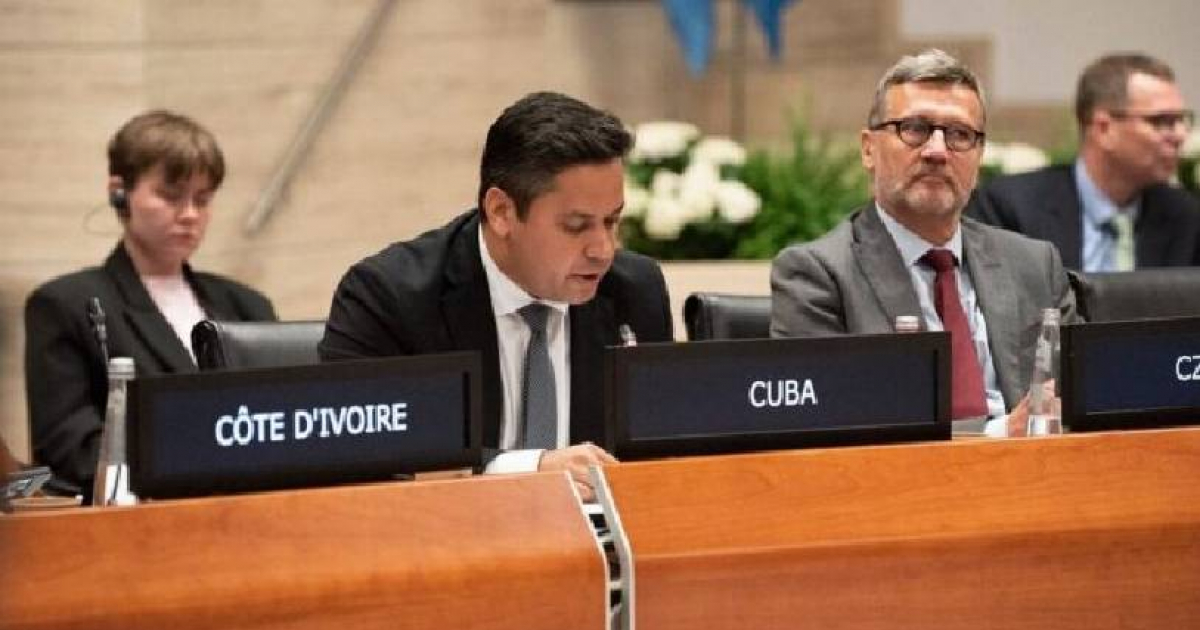
The Cuban ambassador Jorge Luis Cepero, permanent representative to the UN agencies based in Rome, stated that "Cuba is not alone" after the Executive Board of the World Food Programme (WFP) approved aid of 116 million 425 thousand 668 dollars for the Caribbean nation this Friday.
In statements to Prensa Latina, Cepero described the outcome as "a resounding victory that shows Cuba is not alone."
The state media Cubadebate reported that the vote took place despite attempts by Washington to block it, including procedural maneuvers to prevent the plan from even reaching a vote.
The annual session of the Executive Board of the WFP took place from June 23 to 26 at the agency's headquarters in Rome. The vast majority of member states supported aid for Cuba, with only Morocco aligning with the position of the United States.
The plan, which comes into effect on July 1, 2026, and extends until December 31, 2030, aligns with the United Nations Cooperation Framework for Development. Its main focuses are strengthening food security, improving logistical systems, and protecting vulnerable populations.
Cepero also emphasized that the implementation of the plan will facilitate the PMA's access to fuel in Cuba, a particularly sensitive point given that U.S. sanctions have reduced the island's energy imports by between 80% and 90%, resulting in power outages of up to 25 hours a day.
The energy crisis worsened after the cessation of Venezuelan oil supplies in January 2026 and the signing of Executive Order 14380 by the Trump administration, which declared Cuba to be an "unusual and extraordinary threat" and imposed tariffs on countries that supply it with crude oil.
On May 1, Washington expanded the sanctions by including CUPET, the Cuban state oil company.
The food situation on the island is equally serious. According to data from independent organizations, one in four Cubans goes to bed without dinner and 33.9% of households reported in 2025 that at least one member went to sleep hungry in the last 30 days.
80.4% of families saw their ability to cook affected by power outages.
The new plan nearly doubles the budget from the previous period: the WFP strategic plan for Cuba 2021-2025 had a budget of $57.9 million. Following Hurricane Melissa in November 2025, the organization assisted more than 900,000 Cubans in the eastern part of the island with 2,900 tons of food.
Independent organizations have warned, however, that part of the international humanitarian aid reaching Cuba ends up in state-run stores in freely convertible currency, beyond the reach of the most vulnerable populations, raising questions about the actual effectiveness of these resources for those who need them the most.
Filed under: