
Related videos:
The organization Food Monitor Program (FMP) reported that products from humanitarian aid sent by Mexico to Cuba in 2026 have ended up for sale in state stores in Convertible Currency (MLC), out of reach for the most vulnerable population.
The report, published on April 9 in Press Release No. 45 from FMP, is based on field monitoring and citizen testimonies collected in Havana, Artemisa, and Mayabeque.
The immediate trigger was the decision of the Mexican Agency for International Development Cooperation (AMEXCID) to classify as reserved information for five years the details regarding the management, composition, and destination of 3,125 tons of food and medicine sent to Cuba in four maritime shipments between February and March of this year.
That reservation was requested by the government of Miguel Díaz-Canel through a verbal diplomatic note, arguing to prevent possible boycotts from dissident groups.
FMP warns that in practice, this measure eliminates the traceability of resources as there is no public information about inventories, distribution routes, or final beneficiaries.
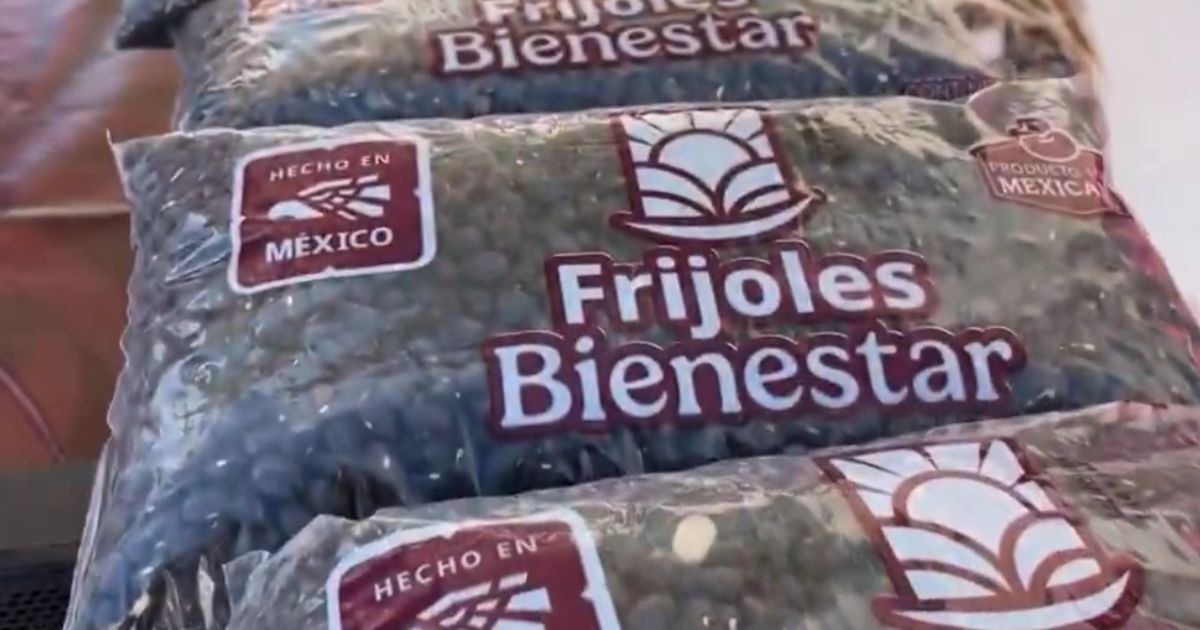
The Mexican channel TV Azteca had already documented in March, with images, the sale of beans identified as "well-being beans" or La Merced brand —in packages of 30 kilograms— in state stores priced in dollars, with prices reaching up to 43 dollars per package at wholesale and 2.97 dollars per half kilogram in retail stores.
Citizens in Matanzas and Las Tunas reported that stores that were empty suddenly filled up following the arrival of the Mexican shipments.
The Cuban regime, through the Ministry of Domestic Trade (MINCIN) and its ambassador in Mexico, denied the misappropriations, labeling them as false and stated that the distribution was free and conducted under strict control.
FMP indicates that this pattern is not new: similar patterns have been reported in previous cycles, including the marketing of supplies associated with the World Food Program (WFP) in 2021 and 2025, in contexts where the lack of public information prevents confirmation of the proper distribution of aid.
In 2021, after the protests on July 11, Mexico sent over 1,800 tons of humanitarian aid to Cuba, and Mexican beans also appeared in MLC stores; CIMEX denied at that time that they were part of the donation.
The World Food Program has acknowledged that the administrative and logistical limitations of the Cuban state have impacted the execution of its programs, including the non-implementation of resources allocated for technical assistance in previous cycles.
All of this is happening amid a severe food crisis.
According to the Food Security Survey 2025 by FMP, conducted with 2,703 households across all provinces, 10% of the Cuban population goes to bed hungry, while 77% believe that the political elite does not face the hunger experienced by the rest of the country.
FMP concludes that assistance lacking external audits, transparency in chains of custody, and access to verifiable information ceases to function as a relief mechanism and may result in the discretionary management of resources intended for the survival of vulnerable populations.
Filed under: