
Related videos:
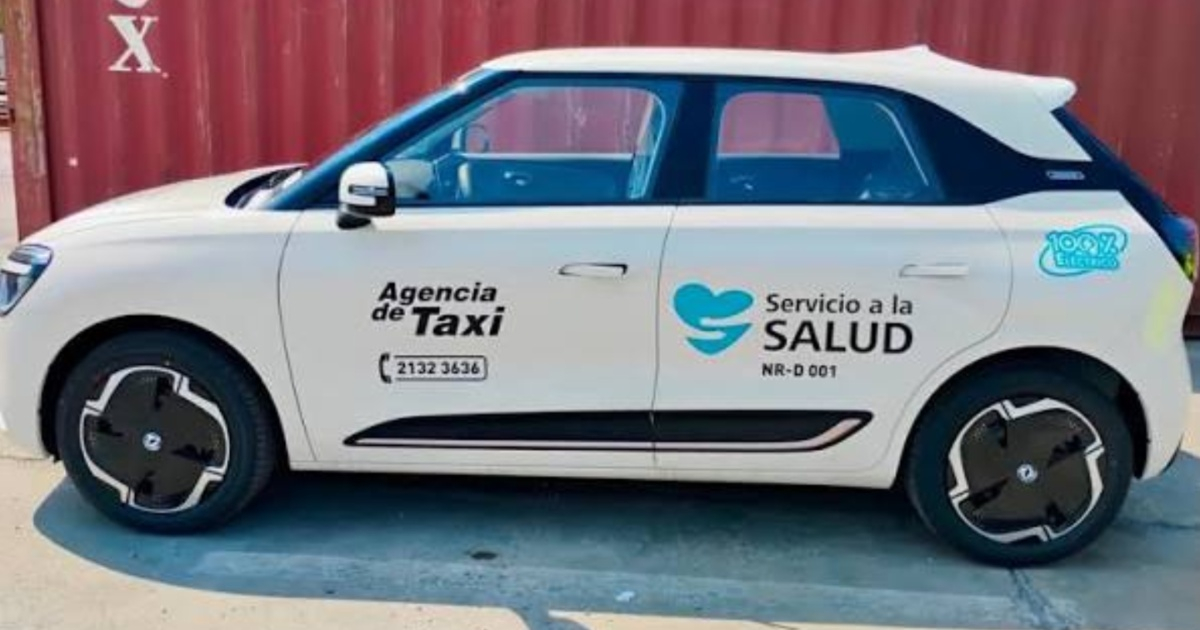
Matanzas received a batch of 10 electric taxis this Friday, intended exclusively for the transport of patients who rely on hemodialysis treatment, according to the General Directorate of Health of the province, as reported on their Facebook page, referenced by the state-run Periódico Girón.
The vehicles from the Chinese brand Dongfeng feature suspension designed for greater stability, low noise levels, accessibility for individuals with reduced mobility, and zero harmful emissions.
Additionally, they will feature a special label with the word "Health" to facilitate their identification in public spaces.
The incorporation of these units in Matanzas is part of a broader national plan: the government introduced 200 Dongfeng electric cars in May as the first half of a total batch of 400 vehicles announced by Miguel Díaz-Canel in March of this year.
The distribution allocates 40 units to Havana, 20 to Guantánamo, 15 to Granma, 10 to each of the remaining provinces, and five to the Isle of Youth.
Altogether, it is estimated that the 200 vehicles will be able to serve an average of 400 patients daily, which amounts to about 10,400 transfers monthly. Technicians from TaxisCuba received specialized training from the manufacturer to ensure the maintenance of the equipment.
The measure comes amid a humanitarian crisis that has worsened since February 2026, when the transportation prioritized for kidney patients collapsed in several provinces due to a chronic fuel shortage.
More than 3,000 patients with chronic kidney failure rely on regular sessions at 57 hemodialysis units located throughout the country.
Many of them were forced to pay up to 500 pesos per trip in informal taxis due to the lack of medical transport.
In Camagüey, patients went without treatment for almost a week in June due to a shortage of chemical supplies.
This Friday, Las Tunas also received 10 electric taxis for the same service, in a day that highlights the gradual progress of the plan district by district.
The reaction on social media to the news was mostly positive, although with some critical nuances.
Several users celebrated the arrival of the vehicles as "a positive thing amid all the misfortune that Cubans are experiencing today," while others expressed concerns about the sustainability of the initiative: "Everything starts off well, but it needs to be maintained," and "We'll see how long they last," wrote some.
There were those who requested that the use of cars be strictly respected: "I hope it is used properly for the social purpose." One comment even questioned the authenticity of the images published by the authorities: "I hope it’s true, it would be a great help, but that photo is from Cienfuegos."
In Matanzas, the crisis in healthcare transportation also prompted other responses: on June 25, a private worker donated an electric tricycle to the Provincial Government for transporting dialysis patients, demonstrating citizen solidarity in light of the shortcomings of the public system.
"It represents an important step towards ensuring the continuity of a vital treatment, improving the quality of life for those who depend on this service and providing greater peace of mind to their families," stated the General Directorate of Health of Matanzas in its statement.
Filed under: