Related videos:
The publication from CiberCuba regarding the statement by the U.S. Secretary of State, Marco Rubio, on the fifth anniversary of the July 11, 2021 protests sparked an intense exchange of opinions among readers on Facebook.
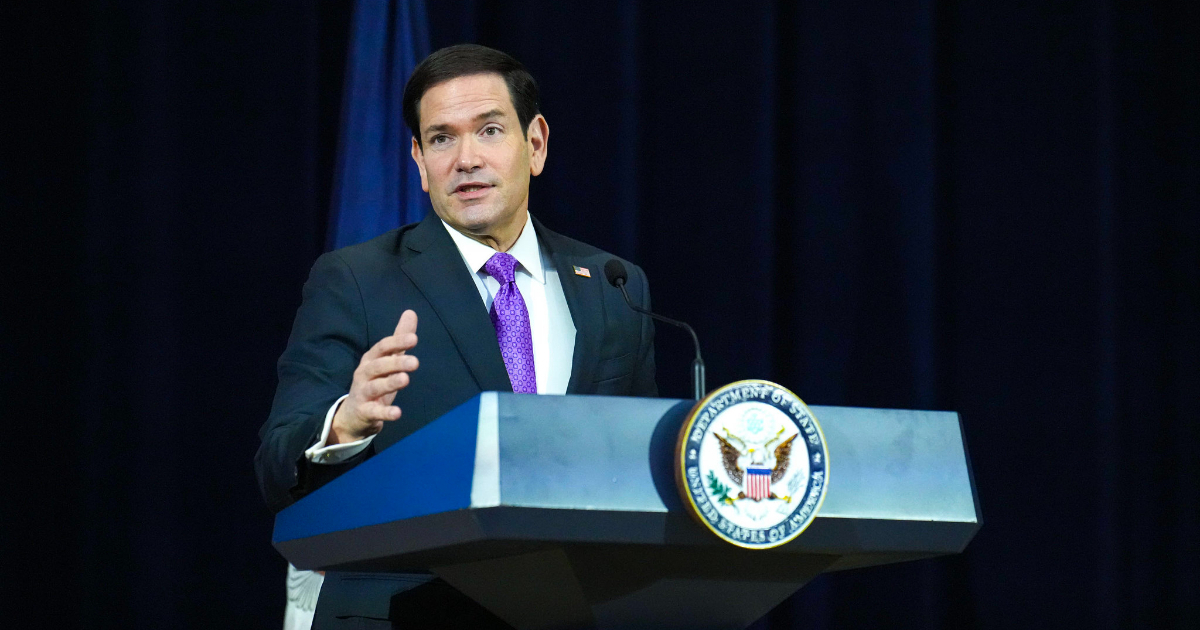
The news reported on Rubio's call for the immediate release of all Cuban political prisoners and his warning that Washington will use "all tools at its disposal" to promote political and economic reforms on the island.
However, beyond the support that many expressed for the content of the message, the sentiment that ultimately dominated the conversation was another: fatigue.
Most participants agreed that, after five years of international condemnations, sanctions, official statements, and promises to pressure the Cuban regime, they still do not see any concrete changes for those who have been imprisoned since the protests of July 11.
Frustration appeared from the very first comments. "We are no longer here to demand, we are here to act," wrote a reader, in a phrase that ultimately summarized the mood of a significant portion of those who participated in the discussion.
Others insisted on the same idea with expressions like "Fewer words and more actions," "Talking is not enough," "Lots of talk and little action" or "We've been hearing that for years."
Although the nuances were different, the common denominator was the perception that diplomatic statements, by themselves, have not succeeded in altering the behavior of the regime or improving the situation of political prisoners.
Several readers recalled that July 11, 2026, marks five years since the largest protests recorded in Cuba since 1959, and they lamented that hundreds of people are still imprisoned for participating in those demonstrations.
Five years and the prisoners are still there, wrote a user. Another commented: "Every year it's the same speech and they keep doing what they want."
Some summarized their disappointment with short but eloquent phrases: "We are already tired", "More of the same", "They always say the same thing" or "The regime ignores the statements".
Far from questioning the demand for freedom for political prisoners, many comments reflected support for that goal. "Freedom for all political prisoners," wrote one reader.
Another stated: "The 11 million Cubans are prisoners". There were also those who expressed that "an entire country lives without freedom," broadening the discussion beyond just those who remain incarcerated.
That support, however, was accompanied by a palpable impatience regarding the pressure strategy announced by Washington. Numerous participants stated that they expect measures with more visible effects and consider repeated diplomatic condemnations to be insufficient.
"Enough with the speeches", one of the comments stated. "When are they going to take action?", asked another. "No more statements are needed", wrote a third. "The people need results", summarized another participant.
Throughout the conversation, there was a recurring sense that time is working against those who remain imprisoned and the millions of Cubans who continue to face blackouts, shortages, inflation, and a lack of freedoms.
Some readers expressed that they were expecting a more decisive response from the administration of President Donald Trump and expressed disappointment because, in their view, the measures announced so far have not resulted in tangible changes within the island.
"The people need actions," wrote a user. "Anyone can talk," commented another. "We are already tired of promises," added another reader.
There were also those who appealed directly to the urgency of the situation. "Every day that goes by, families are suffering," wrote one of the participants. Another reminded us that "the prisoners continue to wait as the years go by."
Among the comments, there were also voices that defended the need to maintain international pressure on the Cuban regime, although they acknowledged that this strategy must be accompanied by concrete results.
"Don't stop pressing," wrote a reader. Another commented, "Political prisoners cannot be abandoned."
Some expressed hope that Rubio's statements are a prelude to new measures, while others responded with evident skepticism. "We don't believe in more words," wrote one user. "When I see results, then I will believe," added another.
There were also comments specifically directed at Rubio. Some questioned the effectiveness of his statements and argued that words alone are not enough to change the Cuban reality.
In those cases, the criticism was less focused on the goal of freeing political prisoners and more on the perception that American warnings have so far failed to produce immediate consequences for the regime.
As is often the case in publications related to Cuban politics, among the responses, there were also messages that reiterated common arguments from official propaganda. However, putting those interventions aside, the predominant tone among the other participants was that of a citizenry tired of waiting for changes they consider to be too slow.
More than rejecting Rubio's message, numerous readers seemed to express a loss of faith in the effectiveness of official statements. The idea that "it is no longer enough to demand" emerged repeatedly, accompanied by the hope that the warnings would finally lead to decisions capable of changing the reality of the island.
The conversation hinted at another significant element: five years after the social upheaval of 11J, support for the release of political prisoners remains strong among the participants in the debate, but coexists with a growing emotional exhaustion.
Many of the comments convey the feeling that time has eroded the patience of those who continue to wait for justice for the imprisoned and political change in Cuba.
In that context, the publication by CiberCuba ultimately became a space where dozens of readers not only reacted to the words of the U.S. Secretary of State but also expressed their own frustration over the continuation of a crisis that seems to have no end in sight.
Among phrases like "We are already tired," "Less talk and more action," "Talking is not enough," or "The prisoners are still waiting," the conversation reflected a sentiment shared by many participants: the desire for international statements to cease being mere messages of support and finally translate into concrete results for those who remain deprived of liberty and for a country that, five years after July 11, continues to face one of the most difficult periods in its recent history.
Filed under: