The photographer and entrepreneur from Pinar del Río, Mikely Arencibia Pantoja, published a reflection titled “The Business of Misery” on Facebook this Saturday, in which he denounces how chronic scarcity in Cuba has generated an ecosystem of speculators who profit at the expense of those with no alternative.
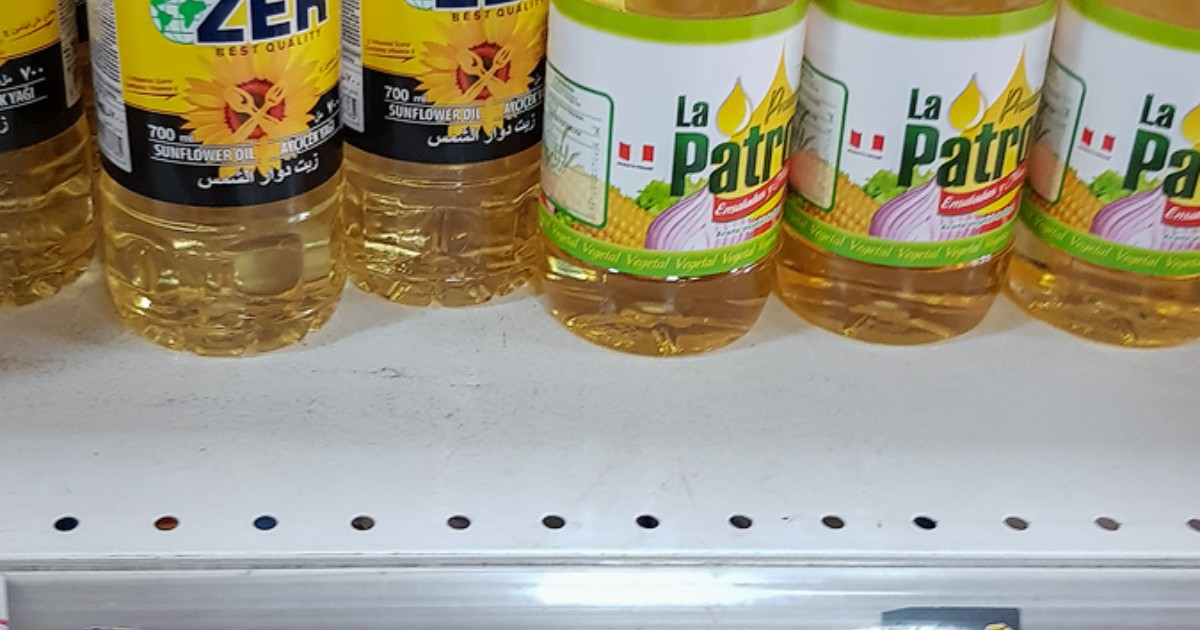
The post, accompanied by an image of a bottle of sunflower oil on a tray of about 30 white eggs —two of the most scarce and expensive products at the moment— starts with a direct statement: "In Cuba, there is one thing in abundance: needs. Food, medicine, and basic products are lacking... many things that are part of everyday life in other places are missing."
Arencibia makes a distinction that he considers fundamental: it is not the same to sell in order to survive as it is to deliberately exploit someone else's desperation. "I am not talking about those who sell to survive. I am talking about those who fully understand that on the other side there is a person who has no choice and, without any scruples, uses that need to enrich themselves," he writes.
The entrepreneur points out that sustained scarcity turns the market into fertile ground for abuse: “Scarcity indeed creates markets, but when scarcity becomes permanent, it also creates something that is abundant in Cuba today: the speculators of necessity.” For those who operate this way, he adds, “misery ceases to be a consequence and becomes an opportunity.”
But the most troubling diagnosis does not point to the speculator, but rather to the collective resignation that sustains him. Arencibia describes how Cuban society has come to view it as normal to "hear an absurd price and respond: 'Well… what can you do?'". This normalization, he warns, is the real issue: "When a society reaches the point where the response to an abuse is 'what can you do?', the need is no longer only in people's pockets. It also begins to live in their conscience."
The reflection comes at a time of unprecedented price escalation. Edible oil surged from approximately 1,500 pesos in April to over 4,000 pesos in August, with peaks reaching up to 7,000 pesos in some areas, following Resolution 150/2026 by the Ministry of Finance and Prices, which removed retail caps on imported edible oils. Eggs reached 200 pesos per unit in Placetas, Villa Clara, with cartons exceeding 5,700 pesos.
That chasm between prices and salaries provides numerical support for the complaint. The minimum wage in Cuba is 3,210 pesos per month since July 2026, while the basic basket is estimated to be around 96,000 pesos per month — a gap of about 30 times. With that income, a Cuban could barely buy 16 eggs at the capped price in Villa Clara or less than a liter of oil at the actual market price.
In response to the crisis, several provinces have attempted to reintroduce controls. Villa Clara set maximum prices on Friday: eggs at 110 pesos and oil at 2,500 pesos per liter. Matanzas established similar reference prices, and San Luis, in Santiago de Cuba, did the same, although its authorities clarified that "this is not a price cap." However, the controls were almost immediately violated: nearly the same day Villa Clara announced the new prices, oil was being sold for 4,000 pesos in Placetas.
It is not the first time that Arencibia Pantoja has pointed out a sore spot. In July, he published reflections such as “Normalizing the Abnormal” and “In Cuba today, life is better than tomorrow”, focusing on the same thesis: that adapting to scarcity does not equate to living. Economist Pedro Monreal summed up the regime's policy failures this Saturday with a phrase that echoes the diagnosis of the Pinar del Río native: “176 measures and only one achievement: proving that they learned nothing”.
Related videos:
Filed under: