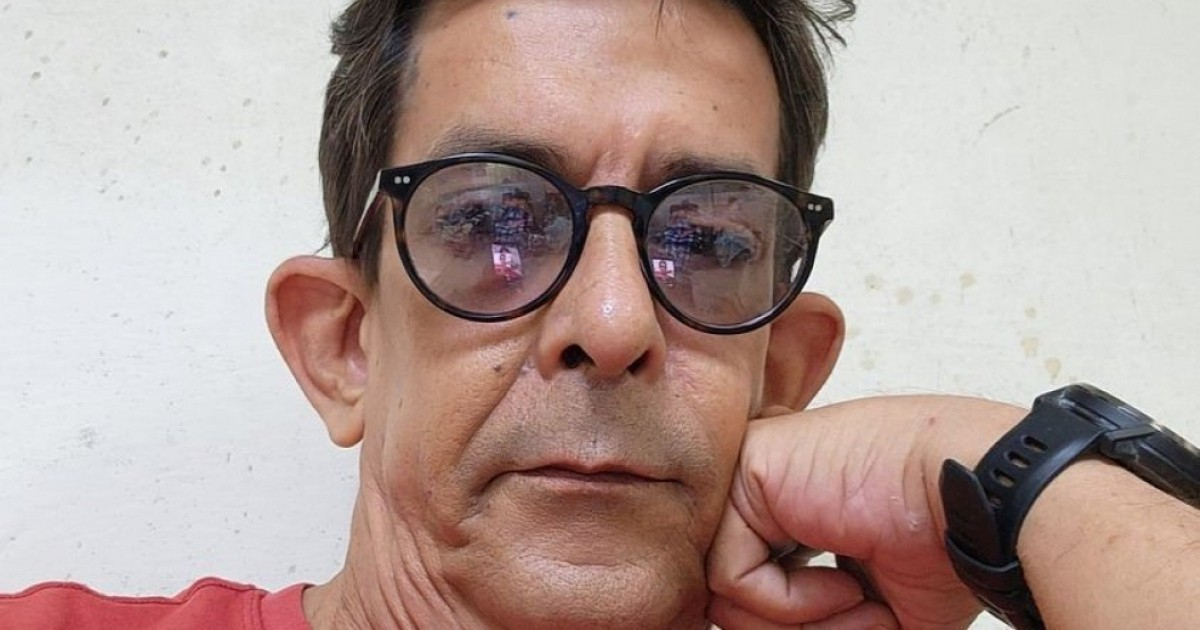
The Cuban comedian Ulises Toirac reacted with sarcasm and direct criticism to the statement in which ETECSA took responsibility for the false earthquake alert that caused panic in at least nine provinces of the country on August 18.
In his profile on Facebook, Toirac responded to the announcement from the state telecommunications company with a brief: "Buaaaajajajaja how lovel... and that's it? I mean, come on... Naaa. Seriously?", making it clear that he finds the institutional response completely insufficient.
In the comments on that same post, the actor was more explicit about his stance and acknowledged having "mixed feelings."
"I want to think (I'm just that easygoing) that some kids working there were just messing around and... they messed up. And honestly, it hurts that they are being dealt with so harshly," wrote Toirac, referring to the sanctions that ETECSA announced it had imposed on those responsible for the incident.
However, he warned that the real damage goes far beyond the immediate consequences: "I am thinking not only of the direct consequences it caused (I cannot verify harm to anyone's health or death), but also the loss of trust in a mechanism that could save lives, accessible to those without any responsibility."
And he concluded with a direct warning to the company: "It's not just a matter of 'we apologize' and then moving on. No."
The statement from ETECSA, published this Saturday under the title "Information to the public about seismic alert messages," acknowledged that the seismic alerts received on August 18 "were issued due to a technical-human error, caused by our specialists who were conducting tests on the telecommunications network."
The company announced that it has taken measures against those responsible and will implement actions to prevent the incident from happening again, and it offered public apologies: "We are aware of the concern and discomfort caused by the error, and we sincerely apologize to the public."
What ETECSA did not explain is how an internal test could turn into a mass alert that reached millions of devices across the country, nor what the exact sanctions imposed were.
The admission came three days after the incident, which triggered mass evacuations and scenes of panic in Mayabeque, Granma, Holguín, Matanzas, Havana, Ciego de Ávila, Camagüey, Las Tunas, and Santiago de Cuba.
From the very beginning, the head of the National Seismological Service of the National Center for Seismological Research (CENAIS), Enrique Diego Arango Arias, warned that the alert "is not based on any officially issued alert notice" and demanded that those responsible be identified. Before ETECSA's admission, Arango issued a warning that encapsulates the real danger of the incident: "When the alarm is real, they will no longer believe you."
Toirac's reaction is part of a sustained criticism that he has been directing against the company for over a year.
After the rate hike in May 2025, the comedian repeatedly questioned why ETECSA was collecting millions without reinvesting in its infrastructure. Prime Minister Manuel Marrero acknowledged in July 2025 that the company accumulated over 24.8 million dollars in just 46 days following the price increase, about 540,000 dollars daily.
On August 19, in his first reaction to the false alert, Toirac had already accused ETECSA of having "a significant breach that allowed the simultaneous and massive sending" of the notification and questioned the destination of its revenues: "I don't know where you put the money you've been flaunting since the rate hike."
Now, in light of the company's apologies, their verdict remains the same: saying sorry is not enough when the credibility of an alert system, which may depend on human lives, is at stake.
Related videos:
Filed under: