The United States government announced this Thursday a new round of sanctions against Cuba that includes five state entities and a grandson of Raúl Castro, in a coordinated action between the Department of State and the Office of Foreign Assets Control (OFAC) of the Department of the Treasury.
The Secretary of State Marco Rubio signed the statement announcing the designation of six targets under Executive Order 14404, which authorizes broad sanctions against individuals and institutions associated with the Cuban regime in strategic sectors such as energy, mining, and financial services.
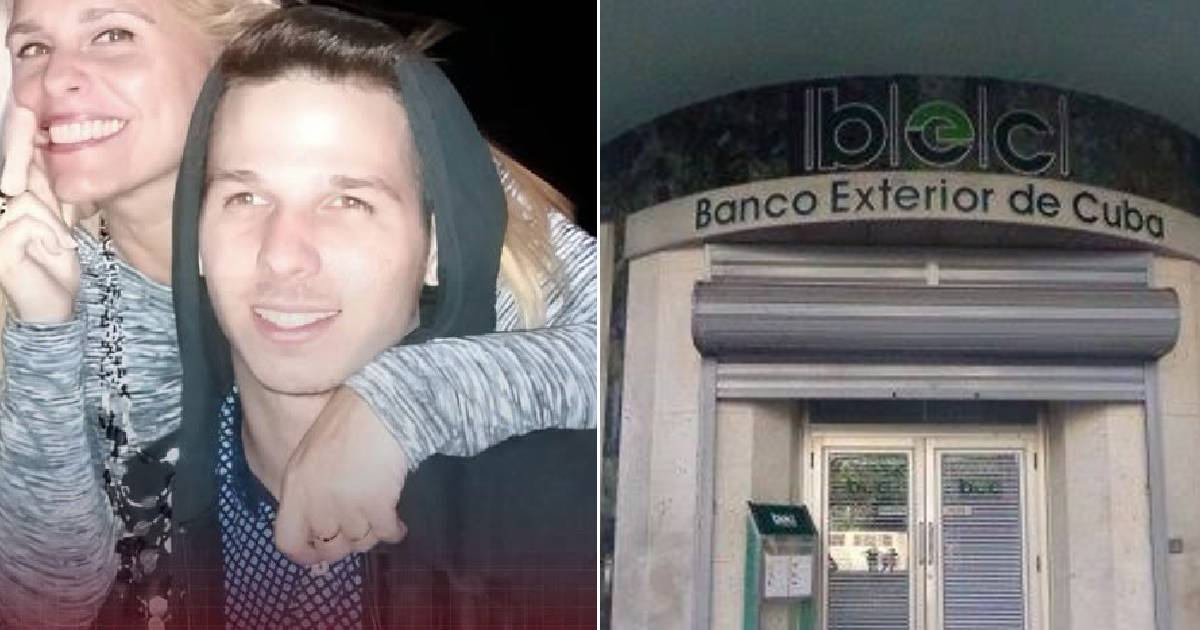
On September 3, the Office of Foreign Assets Control (OFAC) Specially Designated Nationals (SDN) List was updated to include the Banco Exterior de Cuba, a state financial institution founded in 2000, located in Plaza de la Revolución, Havana.
The other four sanctioned entities belong to the energy and mining sectors. In the first case, they include Comercial CUPET S.A., the wholesale commercial arm of Unión Cuba-Petróleo since 1991, and the Empresa Importadora de Abastecimiento para el Petróleo (ABAPET), established in Havana in 2000 and also linked to CUPET.
From the mining sector, the following were added to the list: the Empresa de Servicios Comandante René Ramos Latour, also known as NICAROTEC, based in Mayarí, Holguín, which has been providing support services for mining and quarry activities since 1977; and the Empresa Importadora y Abastecedora del Níquel (CEXNI), a wholesale trading entity founded in 1994 in Moa, Holguín.
Among those appointed this Thursday is also Fidel Ernesto Castro Calis, born on May 16, 1995, grandson of Raúl Castro Ruz and son of Alejandro Castro Espín, who had already been sanctioned in June of this year along with another of his sons, Raúl Alejandro Castro Calis.
Rubio described the Cuban regime as "a deep and multifaceted threat to the national security of the United States and the stability of the hemisphere," noting that "while the Cuban people suffer, the Castro family and their accomplices in the repressive Ministry of the Interior continue to perpetuate their total control over the island's economy, hoarding resources for the benefit of a small group of regime elites."
The Secretary of State also emphasized that the appointments "reflect President Trump's unwavering vision of a free Cuba, where the regime's illicit financial networks, its repressive apparatus, and the power structures of the Castro era are dismantled."
This is the latest in a series of pressure rounds that Washington has exerted against Havana throughout 2026. In June, Miguel Díaz-Canel, his wife Lis Cuesta, and Alejandro Castro Espín were sanctioned, in addition to the blocking of the GAESA business conglomerate, the MININT, and the Revolutionary Armed Forces.
In August, eight Cuban state-owned companies linked to nickel, steel, and tourism were added to the specially designated nationals list, and five entities in the arms sector met the same fate weeks earlier.
The pressure on the Castro family intensifies with each new round: after sanctioning Alejandro Castro Espín and his son Raúl Alejandro in June, Washington has now penalized another of his sons, Fidel Ernesto, thus completing a blockade that now encompasses three generations of the dynasty that has ruled Cuba for over six decades.
Since January, the Trump administration has taken more than two dozen actions against Cuba, affecting around 40 entities and at least 38 individuals.
Along with the designations, OFAC issued General License Cuba 4A, which authorizes transactions for diplomatic and consular missions of third countries on the island, a measure of more limited scope that does not alter the overall framework of pressure.
Related videos:
Filed under: