The Ministry of Foreign Affairs (MINREX) of Cuba has set the total cost to renounce Cuban citizenship at 1,000 dollars or euros.
The Resolution No. 37/2026 published this Wednesday details the new Consular Fee Schedule that modifies the amounts for numerous services provided by consulates and diplomatic offices of the island abroad. The regulation will come into effect on October 1, 2026.
The process involves two fees: 500 dollars or euros for the application and another 500 for obtaining the renunciation of Cuban citizenship.
The regime justified the rate adjustment with a generic argument.
"Due to the current complex international macroeconomic landscape, marked by sustained global inflation affecting all sectors of the economy, the existing consular tariffs are being adjusted rationally," the text states.
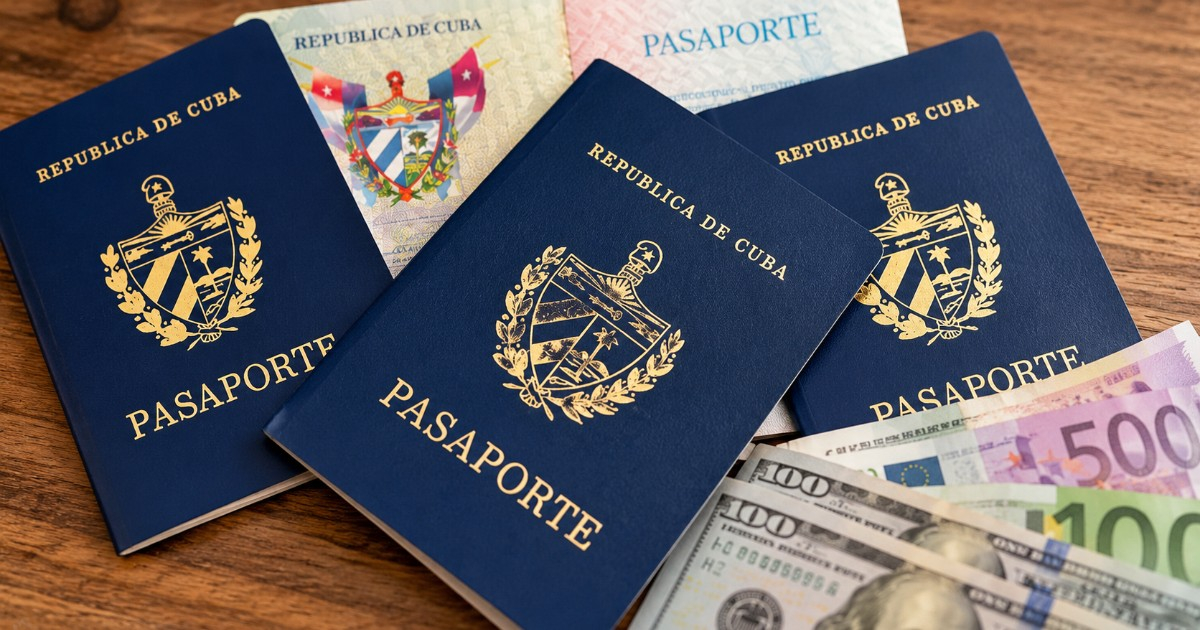
The new tariff also raises other fees. The passport for those over 16 years old will cost 200 dollars or euros, and the passport for minors under 16 years old will be 160 dollars or euros. The provisional passport is set at 120 dollars or euros. The Certification of Citizenship Registration will have a cost of 190 dollars or euros.
The Resolution 37/2026 repeals Resolution 116 from October 15, 2025. This marks the third consular tariff change in less than three years.
The renunciation of Cuban citizenship has been regulated for the first time by Law 172/2024 "Citizenship Law," approved by the National Assembly in July 2024 and published in the Official Gazette on May 5, 2026.
That law will come into effect 180 days after its publication, meaning in November 2026, so the tariff will be active weeks before the full legal procedure begins.
In order to resign, the law requires that five conditions be met simultaneously:
- be over 18 years old
- to be abroad
- to acquire another citizenship
- not to have debts with the Cuban State
- not serving a criminal sentence nor being pursued for a crime.
Paying the 1,000 dollars does not guarantee the success of the process. Article 50 of the Citizenship Law states that "for the renunciation of Cuban citizenship to be effective, it must be accepted by the competent authority and the corresponding declaration issued."
The final decision rests with the President of the Republic of Cuba or the Minister of the Interior, with no defined timelines or objective criteria for approval.
The first colonel Mario Méndez Mayedo, head of the Identification, Immigration, and Foreigners Department of MININT, declared in June 2024 that "there is no intention to deny a resignation," but clarified that "the Cuban state must accept that resignation."
Whoever manages to have their resignation accepted will be considered a foreigner and must enter Cuba with a foreign passport, visa, and the corresponding travel documents.
Related videos:
Filed under: