Las Tunas is facing a more complex epidemiological situation in the municipalities of Puerto Padre, Majibacoa, and the provincial capital, while the fuel shortage is hindering the fumigation efforts against disease-carrying vectors in the area.
Puerto Padre is the municipality reporting the highest number of fever cases, particularly in the Romárico Oro health area, where an outbreak was identified on September 28. Majibacoa is also experiencing an increase in Calixto, Vivienda, which belongs to the Naranjo popular council, and Las Parras. The main municipality describes a similar situation, as highlighted this Wednesday by the Portal del Ciudadano Panorama Tunero.
Yumara Acosta, Director of the Provincial Center for Hygiene, Epidemiology, and Microbiology, explained that the institution is visiting municipalities to assess the response plan set for October and November, a period that historically becomes more challenging due to the increase in people with fever.
The official stated that this week the adulticidal treatment began, but fumigation has only started in Las Tunas, Majibacoa, and Jobabo due to a shortage of fuel.
Authorities are also assessing biological control and the application of products in water storage facilities, primarily in urban areas.
Acosta pointed out the low risk perception among residents as one of the most concerning issues and urged people to seek medical attention in the presence of high fever, general malaise, and joint or muscle pain.
It also warned about warning signs that may appear between the second and seventh day, such as abdominal pain, vomiting, diarrhea, and bleeding from the gums or outside the menstrual period.
The confrontation strategy includes the elimination of breeding sites within homes, where the highest number of identified hotspots is concentrated, as well as the collection of micro-dumps, the repair of leaks, the resolution of pits that discharge waste, and the unblocking of sewer systems.
The provincial center coordinates these tasks with the agencies responsible for environmental sanitation, although authorities acknowledge that there are still limitations in executing them with the required quality.
In September, the health authorities of Las Tunas confirmed the circulation of dengue serotype four in the province and warned that children, the elderly, pregnant women, and individuals with underlying health conditions are among the groups at higher risk of experiencing complications.
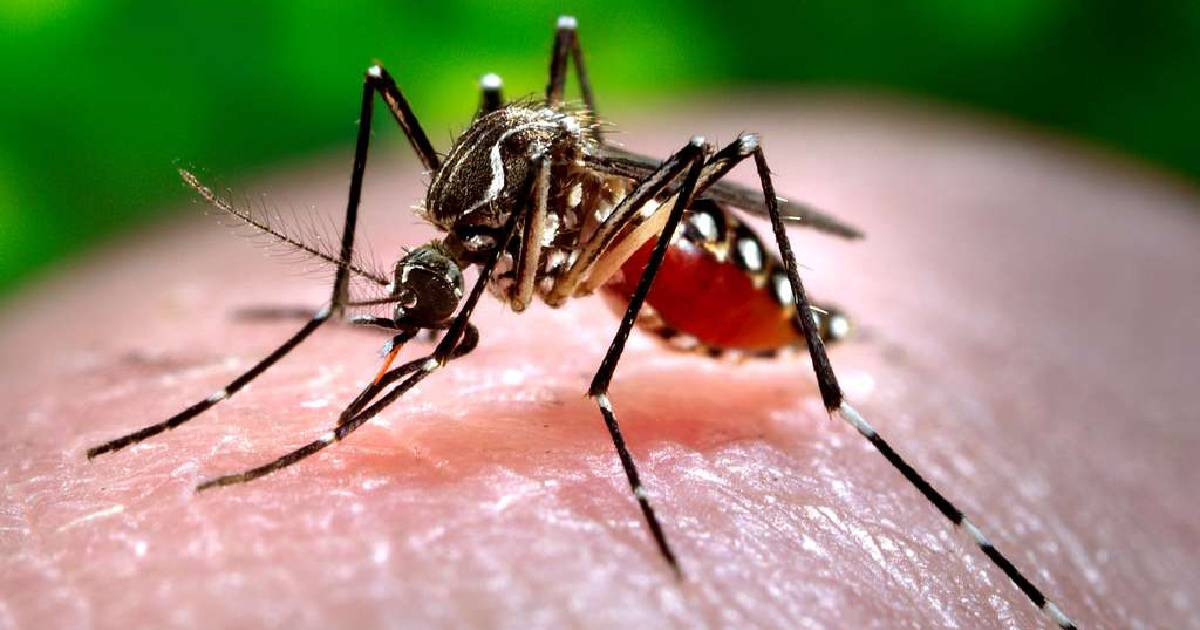
The adulticidal fumigation is progressing with severe restrictions. The fuel shortage has reduced the capacity of the brigades across Cuba, and some have resorted to using water-operated equipment, although with less effectiveness in controlling the Aedes aegypti mosquito.
This limitation was acknowledged by the Deputy Minister of Public Health, Francisco Durán Peña, at the end of September, while in Santiago de Cuba, the fumigations are carried out, according to the provincial health authorities themselves, "depending on the availability of fuel" in each municipality.
The situation in Las Tunas is further complicated by the chronic accumulation of garbage in its streets, which creates open-air dump sites and uncovered water deposits, ideal conditions for the proliferation of the vector.
The health system in Tunero operates under extreme pressure. The Mártires de Las Tunas pediatric hospital promotes coconut water and homemade rehydration solutions in response to the shortage of salts in pharmacies, as reported weeks ago.
Cuba has recorded more than 11,000 estimated cases of dengue so far this year, a figure that is 9.2 times higher than the country's historical average over the past five years, according to the Global Dengue Observatory at the London School of Hygiene and Tropical Medicine, with data updated to October 4.
The Ministry of Public Health acknowledged at the end of September a simultaneous increase in acute respiratory infections, diarrheal diseases, hepatitis, and arboviruses, in a context characterized by the limitations of the country's healthcare infrastructure.
Related videos:
Filed under: