A metal cart with two blue tanks moves through the hallways of the Hospital Hermanos Ameijeiras in Havana. It is not medical equipment; it is the means used by family members of hospitalized patients to bring water from the basement to the upper floors, as the supply does not reach there.
That image, taken this Sunday in a text by the writer Kamil Kenders published in Havana Times, summarizes the condition of what was, for decades, the most prestigious hospital center in Cuba.
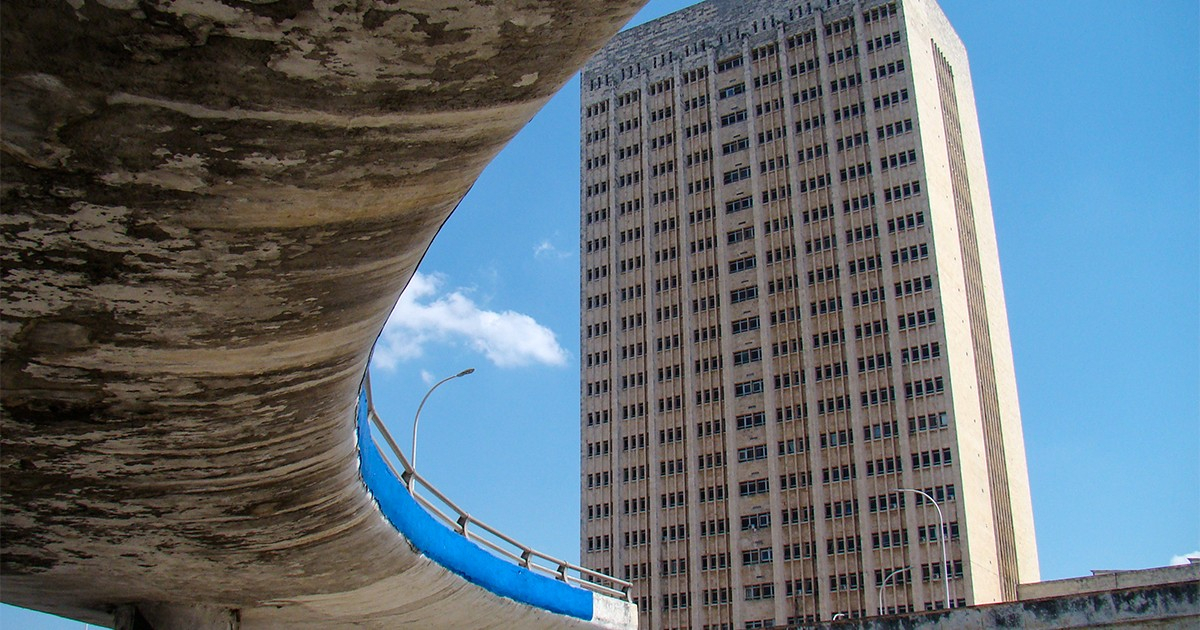
Inaugurated on December 3, 1982 as a national reference center, the Ameijeiras focused for years on the most complex medical procedures in the country, as well as research programs and the training of specialists. Its tower, visible from the Malecón in Havana, was synonymous with the best care available on the island. Today, according to Kenders' account, that reputation clashes with a reality of scarcity, broken equipment, and the exodus of professionals.
"The deterioration of a hospital is not measured solely by its walls, elevators, or facilities. It is measured, above all, by what it can no longer offer to those in need of its services," wrote Kenders.
The lack of water on the upper floors is compounded by the absence of reagents for clinical analyses—which prevents the completion of diagnostic tests even when the patient manages to secure an appointment—and the CT and MRI machines are out of order due to a lack of resources for their maintenance.
That last point has a concrete face. According to a report by the Associated Press published in July 2026, Irisleydis Tristá, a 34-year-old cancer patient residing in Batabanó, had been waiting for seven months for a CT scan because the equipment at Ameijeiras was malfunctioning.
Tristá, who had undergone two surgeries and received radiation therapy for four years, stated that she felt her life was in danger and that she had no way of knowing if the tumor had grown. The doctors told her that, due to a lack of resources, they could not operate on her again in Cuba.
The contrast with the official discourse is hard to ignore. In August 2025, the hospital itself celebrated the anniversary of Fidel Castro's birth with an event in which it proclaimed that Cuba has a "medicine of excellence" and attributed a "humanist legacy" to the deceased dictator.
Weeks later, in September of that year, content creator Eddy Ceballos documented in a video a gigantic dump with rubble, plastics, and mattresses accumulated in the vicinity of the same hospital, which he ironically referred to as "an outdoor microbiology lab."
The crisis at Ameijeiras is not an isolated case: it reflects the collapse of the Cuban healthcare system as a whole. At the beginning of November 2026, the Minister of Public Health, José Ángel Portal Miranda, acknowledged before the National Assembly serious and widespread failures in hospitals across the country: issues with generators, elevators, boilers, laundries, and water systems, in addition to shortages of medicines and reagents.
The exodus of doctors worsens the situation. Between 2021 and 2025, the number of registered physicians in Cuba fell from 106,131 to 71,635, a reduction of 32.5%.
In 2025 alone, the Cuban health registry recorded 3,729 fewer doctors than the previous year, according to the Statistical Yearbook of Health from MINSAP. Adding to this decline is another revealing piece of information: in November 2026, it was reported that 614 Cuban doctors applied to participate in the MIR 2027 exam in Spain
This Sunday, while the Kenders diary was published, the Director General of the WHO, Tedros Adhanom Ghebreyesus, arrived in Cuba for an official three-day visit with an agenda at healthcare and biotechnology research centers. The regime has not specified whether the visit will include the Ameijeiras, nor whether the international official will see the hallways where families haul water in blue tanks.
Related videos:
Filed under: