Cubans living in Miami fear that the dismantling of the rationing system on the island will ultimately
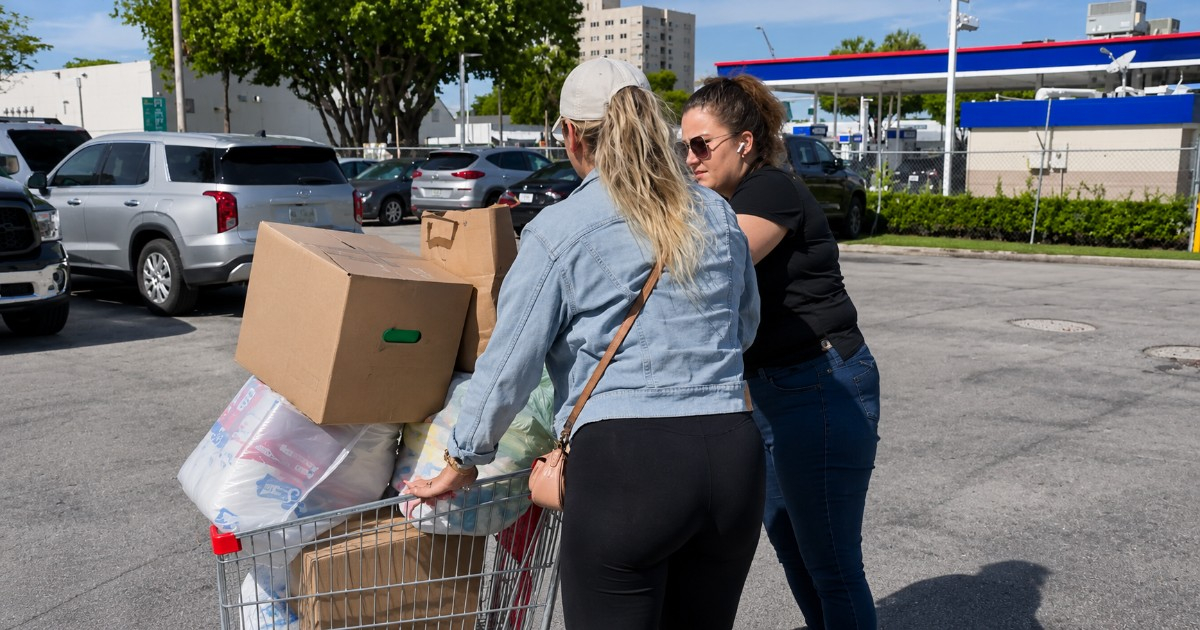
A report by journalist Alexis Boentes from Telemundo 51 gathered testimonies in Hialeah from Cuban emigrants concerned about the consequences of the gradual disappearance of the subsidized food distribution system established by the regime that has accompanied several generations of Cubans for more than six decades.
Coffee, milk, detergent, soaps, canned goods, and oil are among the products that the respondents buy to send to their loved ones amid the shortages that the Cuban population is facing.
“I imagine I’ll have to send more things over there,” expressed one of the interviewees in light of the prospect of having to take on new expenses.
The concern extends beyond the economic impact on those living in the United States; it also encompasses the situation of Cubans who lack family abroad and rely solely on their income on the island.
Another interviewee noted that those who receive support from abroad have a greater chance of surviving the crisis, unlike those who do not have that backing.
The testimonies also reflected the helplessness of those who, despite working and dedicating part of their income to support their family members, acknowledge that they cannot solve all the problems they face on a daily basis.
"You feel very unwell," lamented one of the Cuban women.
The dismantling of the supply booklet
The Cuban government has made progress in the effective elimination of the universal rationing system. Of the approximately 12,000 bodegas in the country, only 1,913 have been selected to distribute food assistance to individuals classified by the authorities as vulnerable.
The measure was announced by Marpessa Portal, General Director of Merchandise Sales at the Ministry of Domestic Trade (MINCIN), on the program Haciendo Radio, on Radio Rebelde.
The new assistance system covers 883,426 people, approximately 9% of the Cuban population, mainly retirees and beneficiaries of social assistance.
However, as Alexis Boentes explained in a Facebook post, Cuban sociologist Mayra Espina estimates that more than 1.3 million people are in a state of vulnerability, a figure significantly higher than what is acknowledged by the authorities.
For the rest of the population, the regime promotes so-called neighborhood markets, establishments that were supposed to offer food at prices lower than those of other stores.
The Prime Minister himself, Manuel Marrero Cruz, acknowledged that some of these markets sell products at prices that are equal to or even higher than those of other businesses, despite the tax benefits and rental exemptions granted to their managers and the official promise to offer discounts ranging from 15% to 30%.
At the same time, Cuban authorities continue to invite emigrants to invest in businesses on the island, while many families abroad allocate part of their salaries to meet the basic needs of their loved ones.
The Cuban crisis takes a toll on the wallets of emigrants
Food is not the only expense that Cubans residing in the United States must face to support their families.
In August, another report by Alexis Boentes documented how blackouts in Cuba also empty the pockets of emigrants in Southern Florida, some of whom have spent thousands of dollars on portable power stations, batteries, solar panels, and their installation.
In June, testimonies from Cubans collected at package agencies in Miami already showed how the crisis had transformed the contents of shipments to Cuba, even incorporating charcoal stoves, rechargeable fans, and equipment to cope with prolonged power outages.
In May as well, a Cuban living abroad showed that she had spent 308 dollars on basic products for her family, excluding meat or the shipping cost.
Related videos:
Filed under: