The testimony of an elderly man with epidermoid carcinoma who cannot undergo surgery or receive medication due to lack of resources highlights the harsh reality of precariousness in Cuba, where access to treatments increasingly depends on what families can afford.
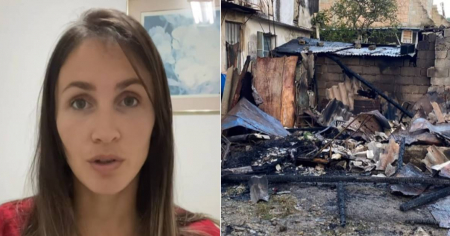
A video shared by the Cuban Observatory for Human Rights (OCDH) on its X account highlights the case of Arles Serrano Morales, an elderly man with skin cancer who is not receiving treatment because the surgery requires medical supplies that his family must purchase, something impossible in a context of scarcity and exorbitant prices.
According to the testimony, the patient does not take any medication, not even for sleep, as they are unaffordable, and the home where he resides is in extreme disrepair, with rotting walls and an improvised outdoor kitchen.
The woman accompanying him explains in the recording that the operation is beyond their reach because they must provide “all the utensils,” which are either unavailable or prohibitively expensive.
The housing, in poor condition and without resources to repair it, further exacerbates the patient's vulnerability.
The OCDH contextualizes that this situation is not exceptional, but rather a reflection of the widespread poverty on the island.
The organization asserts that 89% of Cubans live in poverty, and only 3% manage to obtain medications from pharmacies, a reality that makes any illness an almost insurmountable barrier.
It also adds that the lack of medical supplies, the unaffordable cost of treatments, and the deterioration of housing are directly endangering the lives of millions of people.
The entity holds the Cuban government accountable for failing to guarantee minimum health conditions, housing, and protection, and demands immediate responses to a crisis that, it warns, condemns the poorest patients to lack real alternatives.
The Cuban government has intensified police operations to dismantle illegal drug sale networks.
However, the population criticizes that these actions do not address the root of the problem, which is the chronic shortage of medications in state pharmacies.
Despite the promises to improve supply, the healthcare system continues to face a structural crisis that impacts the availability of essential medications.
In mid-year, the Minister of Public Health, José Ángel Portal Miranda, acknowledged the unprecedented structural crisis facing the Cuban healthcare system, characterized by a coverage of only 30% of the basic medication list and a widespread deterioration of medical services.
The OCDH has reported that it is the elderly who face the worst consequences of the lack of liquidity, the economic decline, and state abandonment.
The recent increase in minimum pensions in Cuba, effective since September, has once again been neutralized by the continuous decline in the value of the Cuban peso in the informal currency market, where the dollar and the euro have reached new historical highs.
The minimum amount set by Resolution 14/2025 —4,000 Cuban pesos (CUP)— is currently equivalent to about 9.0 dollars, 8.16 euros, or 14.8 MLC, according to the informal exchange rates in effect on December 7.
However, the reality shows otherwise, a State that abandons those who dedicated their working lives to the country and who now survive on pensions that are insufficient for anything.
Filed under: