
Related videos:
The Cuban Parliament is preparing to debate a draft of the Civil Registry Law in July, which could allow, for the first time, anyone to change the gender on their identity documents based on their self-perception of gender, without the need for reassignment surgery or judicial intervention.
The change, presented as a progress by authorities and activists aligned with the government, comes amid a severe economic crisis, with the healthcare system unable to guarantee gender reassignment surgeries that were already permitted by the Cuban state.
The proposal was detailed in an article published by Cubadebate. The draft bill has been reviewed by the National Center for Sexual Education (CENESEX), led by Mariela Castro, who expressed concern that it is still not advanced enough as it includes only the male and female designations, without considering non-binary groups.
An officialist march with outstanding demands
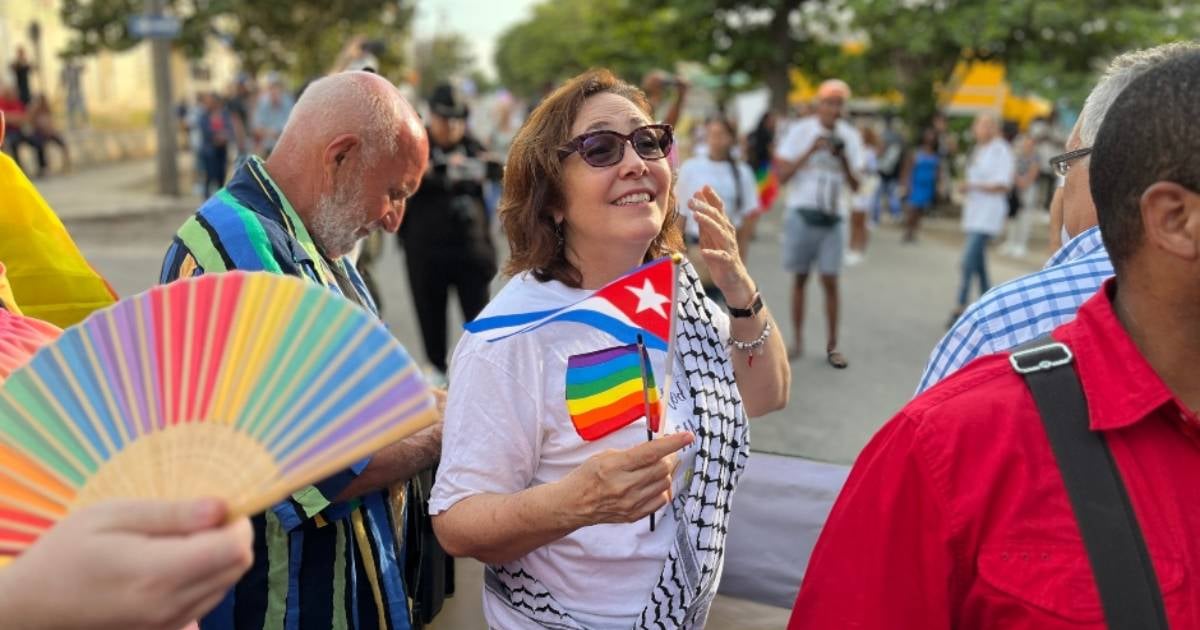
The announcement coincides with the celebration of the so-called “conga against homophobia” that took place on Saturday in El Vedado. The mobilization was authorized and led by the authorities. Hundreds of people carried banners with slogans such as “Socialism yes, transphobia no.”
“As a trans person, I am advocating for a gender identity law,” declared Yoilán Balón to The Associated Press. This demand highlights the deep-rooted deficiencies, as Cuba still lacks comprehensive legislation on this issue.
Legal reforms in a country without guarantees
Currently, in Cuba, it is only possible to change one's registered sex after undergoing gender reassignment surgery, a procedure that has essentially come to a standstill due to the lack of resources in the healthcare system.
The proposed law would eliminate that requirement but would maintain the binary system (male/female), leaving non-binary individuals without legal recognition.
The reform is presented as part of a broader legislative package recently approved by the Council of Ministers, which also includes a law for childhood, a regulation regarding the Cuban sports system, and a new Law on Administrative Offenses.
All these draft projects, according to the official discourse, aim to modernize the legal system and align it with the 2019 Constitution. However, their effective implementation in a country with serious material shortages and outdated bureaucratic structures raises more questions than answers.
Modernization or symbolic control?
The digitization of the Civil Registry, another element intended to be promoted by this law, seems unrealistic considering the technological shortcomings in many provinces of the country. Furthermore, the inclusion of a specific disciplinary regime for registrars paves the way for greater mechanisms of control from the State.
On the other hand, the so-called "modernization" of the legal system is taking place while sanctions against social protest are being intensified and dissent is being criminalized.
Frequently Asked Questions about the Possible Law Reform for Gender Change in Documents in Cuba
What does the new draft law on the Civil Registry in Cuba propose?
The draft Law on the Civil Registry in Cuba proposes to allow gender change on identity documents based on self-perceived gender, without the need for gender reassignment surgery or judicial intervention. This measure aims to modernize the Cuban legal system, but its effective implementation is uncertain due to the country's material and technological shortcomings.
What challenges does the implementation of this law face in Cuba?
One of the main challenges is the technological precariousness of the country, which hinders the computerization of the Civil Registry. Additionally, the limited infrastructure and resources of the health system and government institutions could obstruct the effective implementation of the reform. Furthermore, the exclusion of non-binary identities in the current proposal limits its inclusive scope.
What is the stance of the Cuban government regarding LGBTIQ+ rights?
The Cuban government has presented an official discourse of support for LGBTIQ+ rights, promoting events such as the "conga against homophobia." However, critical sectors point out that these initiatives are more cosmetic than substantial, as the regime has historically repressed the LGBTIQ+ community and still does not provide full guarantees or comprehensive reforms regarding gender rights and sexual diversity.
How does this proposal compare with other legal reforms in Cuba?
The proposal to change sex on documents without surgery is part of a broader package of reforms aimed at modernizing the Cuban legal system. However, like other draft projects, such as the Code of Childhood and the Sports System Law, its real impact depends on the government's ability to overcome current economic and bureaucratic constraints and ensure its effective implementation.
Filed under: