
Related videos:
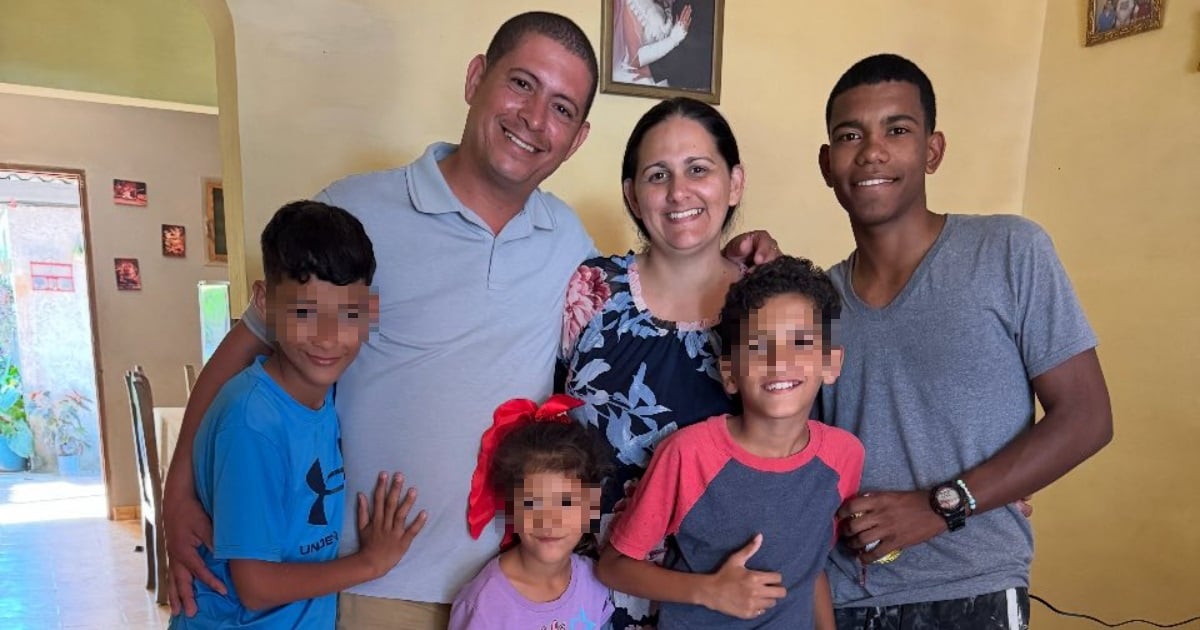
Pastor Elio Batista Gómez, leader of the Moradora de Sion church in the town of Guareiras, Colón municipality, Matanzas, denounced a systematic campaign of harassment by State Security and local authorities that aims to hinder his religious activities and community assistance efforts.
According to what journalist Yaiset Rodríguez Fernández revealed on social media, the pastor received an official letter signed by the Provincial Directorate of Justice, informing him that he is not authorized to conduct worship services or offer assistance or donations in the community.
The document, dated June 4, states that the denomination it belongs to—the Pentecostal Congregational Council, based in Santiago de Cuba—does not have permission to operate in the province of Matanzas.
“The town is already filled with people from Housing, Physical Planning, Justice, Hygiene, Government, PCC... a whole entourage conducting surveys,” a close source from Guareiras stated.
According to this version, the authorities would be promoting door-to-door interviews to persuade residents to reject the presence of the temple in the area.
The pastor's family has also been a victim of acts of intimidation, such as the application of grease on the fences of their home, flooding at the entrance of the temple, and the theft of a generator.
Additionally, it has been reported that a supposed State Security agent identified as "Yodelvis" has been making inquiries about Batista.
In the church, which serves as a place of worship, about 200 people regularly gather, many of whom have expressed their support for the religious leader.
However, the harassment campaign has created significant psychological pressure on the pastor, his wife, and their children, who fear for their safety.
Despite the fact that the Cuban Constitution enshrines freedom of religion, independent organizations report that the regime continues to exert control over churches that are not aligned with the official ideology, criminalizing their social work and limiting their activities through discretionary regulations.
Various Christian leaders and believers have begun to express their support for the pastoral family, and calls for solidarity and prayer have been made from different religious communities both within and outside the country.
Frequently Asked Questions about Religious Repression in Cuba
Why is Pastor Elio Batista Gómez being harassed in Matanzas?
Pastor Elio Batista Gómez is being harassed by State Security and local authorities to prevent his religious and community activities. He has been prohibited from conducting worship services and providing assistance in his community, despite the fact that these actions pose no real threat to the State. This repression is part of a broader context of government control over churches that are not aligned with the socialist regime in Cuba.
What actions have the Cuban authorities taken against the church of Pastor Batista?
The authorities have launched a campaign of intimidation that includes door-to-door surveys to persuade residents to reject the church. In addition, acts of vandalism and theft have been reported on its property, such as the flooding of the temple entrance and the theft of a generator. These actions aim to create a hostile environment that hinders the operation of the church and the pastor's community activities.
What is the situation of religious freedom in Cuba according to recent reports?
Despite the fact that the Cuban Constitution enshrines freedom of religion, the regime exerts strict control over churches that do not align with its ideology. Social work is criminalized and religious activities are limited through discretionary regulations. Cases such as that of Pastor Batista and the prohibitions on religious processions reflect a policy of repression against expressions of faith that do not conform to the official narrative.
How has the religious community reacted to the harassment of Pastor Batista?
Various Christian leaders and faithful have expressed their support for Pastor Batista and his family. Calls for solidarity and prayer have been made from different religious communities both inside and outside of Cuba. This response demonstrates the strength of the religious community in the face of repression and its willingness to resist the injustices perpetrated by the regime.
Filed under: