
Related videos:
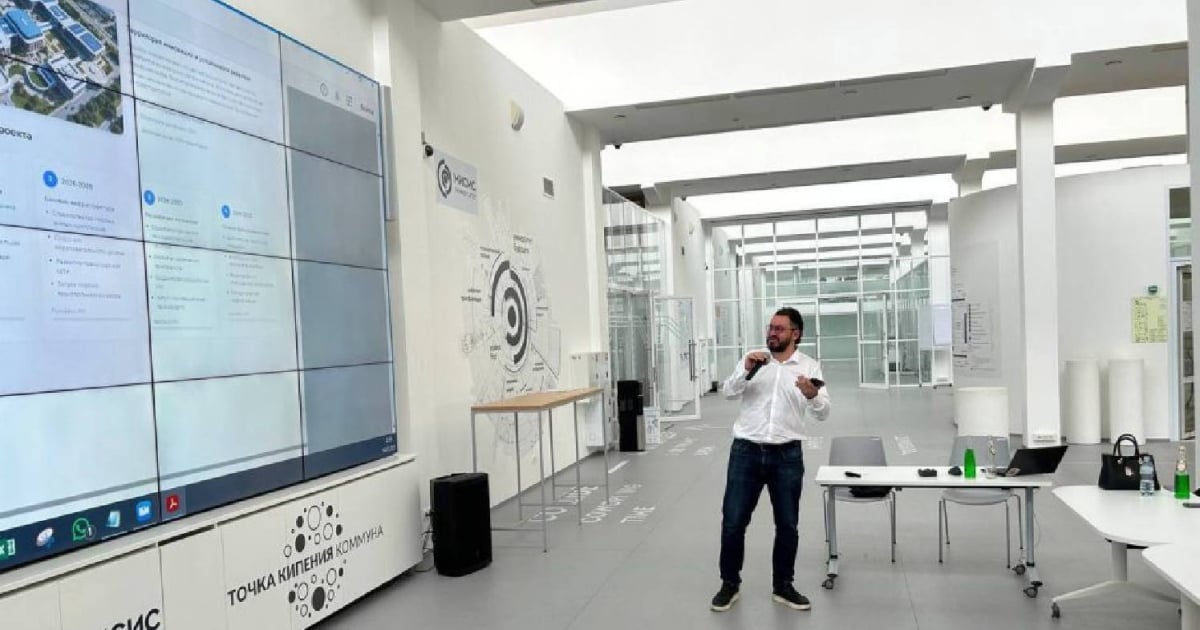
The Cuban government announced with enthusiasm this Friday the creation of Cayo Digital, an ambitious Russian technological project aimed at transforming the Isle of Youth into a tropical "Silicon Valley."
Presented by state-run media such as Cubadebate and fueled by the Russian propaganda apparatus, Cayo Digital will be, according to its promoters, a technology cluster with more than 15,000 residents, including 12,000 specialists and 3,000 students dedicated to localizing the production of equipment and software better suited to the realities and needs of the region.
Its execution, however, would seem unfeasible in the Cuban context as it "involves the construction or rehabilitation of infrastructure necessary for the life and work of its inhabitants: offices, laboratories, industrial plants, residences, stores, a shopping center, sports, cultural, and recreational facilities. Additionally, the 'cluster' would include daycare centers, schools, and university branches," the news portal detailed.
The project's authors emphasized that "it is important to ensure high-quality communication channels and services such as gas, water, electricity, sewage, and garbage collection," which, paradoxically, do not function in the Caribbean nation.
The stated goal of the project is to provide ICT solutions from the island to the Latin American continent.
However, some analysts suggest that beneath the rhetoric of development and modernization, the plan promoted by Russia seems to be designed less to benefit Cubans and more for the Kremlin to consolidate itself geopolitically and digitally in Latin America.
The information indicates that the project's objective is to "enhance the international expansion" of the Russian information and communication technology sector.
Alexander Volkov, director of GenIT —the Russian company leading the project— stated that there is a "high demand in Latin America and the Caribbean for equipment and solutions in the information and communication technology sector from Russia."
Cuba is not only a historical ally of the Kremlin; it is also the perfect blind spot for evading international restrictions, camouflaging business identities, and presenting Russian products under Latin American brands.
Although project spokespersons emphasize the importance of "sovereign IT infrastructure," Russia's track record in cybersecurity points in a different direction.
Independent organizations have reported that many of these Russian solutions have been used for cyber espionage, mass monitoring, and political control.
In 2024, for example, the government of Georgia accused a taxi app of Russian origin of transferring personal data to Moscow without consent.
And in Cuba, collaboration with companies such as NtechLab —specializing in facial recognition— has already been linked to projects for citizen surveillance and political repression through the Cuban artificial intelligence system DATYS.
The announcement from Cayo Digital comes amid one of the worst economic crises in recent Cuban history: widespread blackouts, extreme poverty, a collapse of the healthcare system, and mass emigration.
Cubadebate reported that the personnel employed in the project could be predominantly Cuban: "the island has a high-quality workforce in the digital and telecommunications sector, while, for example, the José Antonio Echeverría Technological University of Havana offers training programs in Russian, which positively impacts interaction and collaboration between professionals from the two countries."
The 'cluster' would occupy an area of 450 hectares. It is currently in the design stage. The first residential complexes are expected to be completed between 2026 and 2028, while the first scientific research centers and innovative plants would be inaugurated before 2030, the media outlet emphasized, which does not question the project's feasibility.
Frequently Asked Questions about Cayo Digital and the Cuba-Russia Relationship
What is Cayo Digital and what is its objective in Cuba?
Cayo Digital is a Russian technological project that aims to transform the Isle of Youth into a tropical "Silicon Valley." Its goal is to create a technology cluster with over 15,000 residents, including specialists and students, to develop equipment and software tailored to the region's needs. However, there are concerns about its viability and the actual benefits for the Cuban population, as it might be more focused on strengthening Russia's presence in Latin America.
What implications does the Cayo Digital project have for Cuba's infrastructure?
The Cayo Digital project requires the construction or rehabilitation of significant infrastructure in Cuba. This includes offices, laboratories, industrial plants, residences, stores, a shopping center, and various social facilities. However, given the current state of Cuban infrastructure and issues such as the supply of electricity, water, and basic services, the implementation of the project seems unviable in the current context of the country.
What is the geopolitical background of the Cayo Digital project in Cuba?
The Cayo Digital project may be designed to consolidate Russia's geopolitical and digital presence in Latin America. Although it is presented as an initiative to foster Cuba's technological development, some analysts suggest that it is more focused on circumventing international restrictions and showcasing Russian products under Latin American brands. Additionally, there are precedents of Russian technologies being used for cyberespionage and political control, raising concerns about its true intentions.
How does the collaboration between Cuba and Russia affect the Cuban population?
The collaboration between Cuba and Russia may not translate into direct benefits for the Cuban population. Although technological and energy projects are announced, the reality is that most Cubans are facing a severe economic crisis, with shortages of food, medicine, and energy. The agreements tend to reinforce technological inequalities and there are no guarantees that these projects will actually improve the quality of life for ordinary citizens.
Filed under: