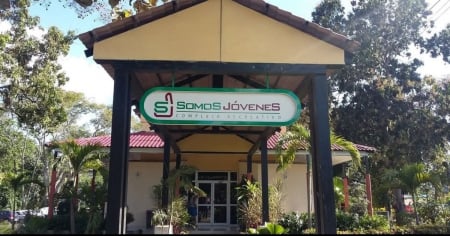
The First Secretary of the Communist Party in Villa Clara, Susely Morfa González, stated during a recent tour that the boulevard of Santa Clara "must become the most beautiful in Cuba," a goal that, according to her, requires transforming the ruins and enhancing the quality in every detail.
Here, nothing can be ugly; the doors, the flowerpots, the design of each space (…) We must turn ruins into beautiful places, emphasized Morfa, who highlighted facades that have already been painted without having patched the walls first, which reflects the improvisation with which these tasks are often approached.
For her part, the provincial governor, Milaxy Yanet Sánchez Armas, emphasized that the rehabilitation must be comprehensive, covering everything from the restoration of heritage buildings to landscaping and services, highlighted a report from the website of the provincial radio network CMHW.
Both leaders agreed that the boulevard should offer appealing dining options every night and extend the operating hours of shops and businesses.
They also criticized the unfavorable image of the tents in Las Arcadas park and suggested beautifying their surroundings, a constant demand from the community.
During the tour, according to the media outlet, a resident of Santa Clara directly questioned the authorities and requested the restoration of the marquee of the Teatro La Caridad, a historical and cultural symbol of the city.
The demand showed that residents prioritize projects of genuine heritage value over mere urban makeovers.
Morfa praised the restoration of the Hurtado de Mendoza primary school and suggested that the boulevard host everyday artistic expressions, such as musicians and trios in its institutions.
According to what was said, that "beauty" is the aspiration of the project, although the current reality of the central artery is far from that ideal.
Across Cuba, emblematic locations display signs of deterioration or are in a state of ruin, with rusted structures, overgrown vegetation, lack of maintenance, or having been turned into dumps, reflecting a widespread tendency toward shoddy work, vandalism, and institutional neglect.
Deserted streets, corroded docks, and crumbling houses reveal a true ghost town in the fishing village of Isabela de Sagua, in Villa Clara itself, a place that was once a prosperous port and one of the closest points on the island to the United States.
Another example is the El Arte printing house, in Manzanillo, one of the most important cultural symbols of eastern Cuba, which is languishing in neglect, as its historical and editorial legacy crumbles in the face of institutional indifference.
The San Rafael cemetery, located in the city of Guantánamo, displays the deterioration of mausoleums dedicated to heroes of the Liberation Army, many of whose gravestones are already illegible or completely destroyed.
The Máximo Gómez Airport in Ciego de Ávila, built with over 100 million pesos, is now a ruin without flights or purpose. More than two decades of state neglect have buried public investment under the weight of indifference and absurdity.
The museum dedicated to Carlos Baliño (1848-1926), one of the founders of the first Communist Party of Cuba (PCC), remains closed and in disrepair, with no clear date for reopening, as six years after its closure in 2019, the building located in the municipality of Guanajay, in the province of Artemisa, still lacks a complete roof, the collection is overcrowded, and the approved investment is making no progress.
The once magnificent Casino Español de La Habana, located in the Playa municipality; the iconic Teatro Musical de La Habana, and the former Hotel Venus in Santiago de Cuba, are just a few examples of cultural and architectural treasures that have fallen victim to neglect and decay.
The nightclub of the Comodoro Hotel in Havana, once an icon of nightlife, is now engulfed in deep neglect.
Similarly, the Marianao Racetrack, officially known as Oriental Park, a symbol of Havana's splendor and the economic and social development in western Cuba is now facing its decline as a state warehouse, after decades of neglect and deterioration.
Frequently Asked Questions about the Reconstruction of the Santa Clara Boulevard and Urban Deterioration in Cuba
What is Susely Morfa's objective for the boulevard of Santa Clara?
Susely Morfa aims to transform the boulevard of Santa Clara into the most beautiful in Cuba. Her approach includes turning ruins into beautiful spaces and enhancing the quality of every detail, from the facades to the culinary offerings and the design of the spaces.
What problems have been identified in the Santa Clara boulevard?
Problems of improvisation and lack of planning have been detected in the restorations. Examples of this include facades painted without repairing the walls and the presence of tents in the Las Arcadas park, which affects the image of the place.
What challenges does Cuba face in terms of urban infrastructure?
Cuba is facing widespread deterioration of its iconic sites and urban structures. Examples include deserted streets, corroded docks, and crumbling buildings, such as the Máximo Gómez airport and the Havana Musical Theatre, reflecting institutional neglect.
How does urban deterioration affect tourism in Cuba?
The urban deterioration negatively impacts heritage tourism in Cuba. Visitors are struck by the contrasts between restored areas and those marked by poverty and destruction, which discourages tourism and affects the country's economic development.
Filed under: