
Related videos:
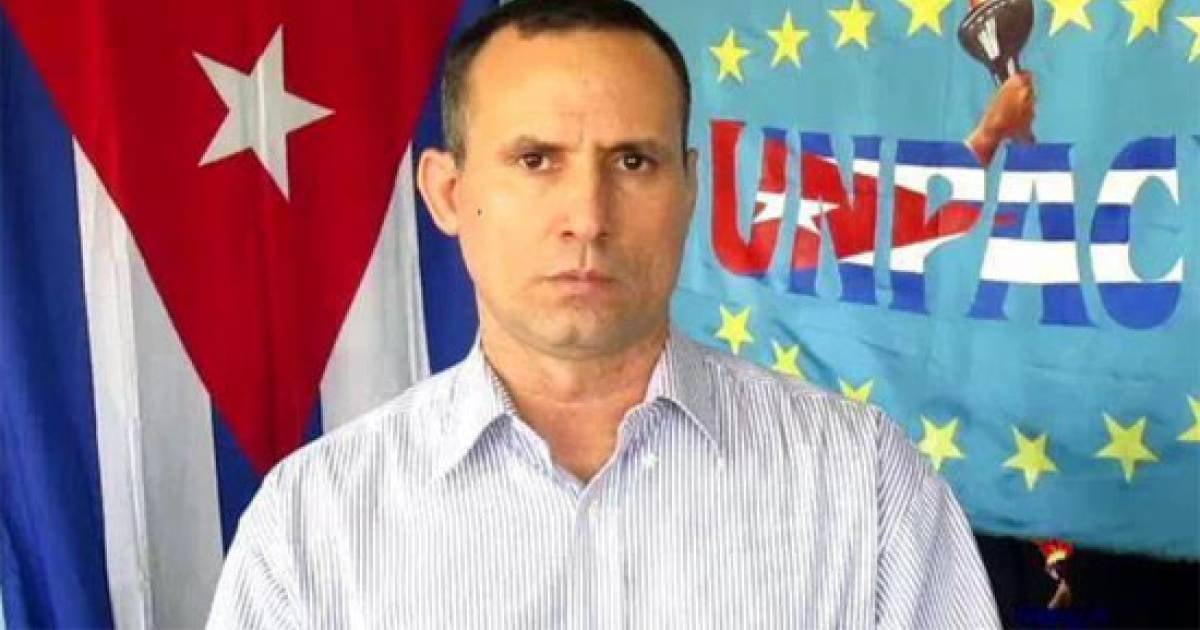
The Patriotic Union of Cuba (UNPACU) rejected this Monday the decision of Miguel Díaz-Canel's government to include it in the Official Gazette as an organization linked to terrorism.
In an open letter, the opposition group described the measure as "a serious political manipulation" aimed at discrediting a "civic and peaceful movement."
Founded in 2011, UNPACU emphasized that its work has focused on the defense of human rights and humanitarian assistance.
Among its initiatives are social dining facilities for people in poverty, basic healthcare for vulnerable families, and civic education campaigns.
Additionally, it has supported democratic projects such as Cuba Decide, led by Rosa María Payá, which proposes a plebiscite under international supervision.
The organization questioned the contradiction between its peaceful nature and the government's decision to classify it as a terrorist entity, while the official narrative glorifies armed events such as the assault on the Moncada Barracks in 1953.
In the document, UNPACU also reported on the prison conditions of its leader, José Daniel Ferrer, who —according to their claims— is kept in isolation and subjected to physical and psychological torture.
The group directly held the Presidency of Cuba responsible for their lives and the lives of all political prisoners.
The letter also denounces violations of due process, as to date there has been no official information regarding Ferrer's legal situation, despite requests from his family and lawyers.
"The systematic refusal of the authorities is yet another example of how the most basic rights are institutionally violated in Cuba," the text states.
UNPACU recalled that since 1959, no political amnesty has been granted in Cuba, a measure it considers necessary to alleviate the suffering of families and pave the way for national reconciliation.
"The repressive increase in Cuba perpetuates power through intimidation, violence, and political and conscience imprisonment," concluded the organization, which demands the immediate release of all political prisoners, an end to torture, and the initiation of a democratic process on the island.
Frequently Asked Questions about the Situation of UNPACU and Repression in Cuba
Why has the Cuban government classified UNPACU as a terrorist organization?
The Cuban government has labeled the Patriotic Union of Cuba (UNPACU) as an organization linked to terrorism as part of a strategy to discredit and criminalize this peaceful and civic movement. UNPACU has focused its efforts on defending human rights and providing humanitarian aid, which contrasts with the government's accusations. This measure is seen as a political manipulation to justify repression against its members and to hinder their activities in assisting vulnerable individuals in Cuba.
What is the current situation of José Daniel Ferrer, leader of UNPACU?
José Daniel Ferrer has been arrested again and sent to the Mar Verde prison in Santiago de Cuba. The Cuban regime revoked his parole under the pretext that he did not attend two court hearings, despite having already served his sentence. This action is part of a systematic political persecution against Ferrer, who has been an outspoken critic of the regime and has led humanitarian initiatives to assist those in need in Cuba.
How has UNPACU responded to the accusations from the Cuban government?
UNPACU has categorically rejected the Cuban government's accusations of being a terrorist organization. In an open letter, they described the measure as a "serious political manipulation" aimed at discrediting their peaceful movement. The organization has emphasized its commitment to the defense of human rights and its humanitarian work, which includes the distribution of food and medicines to people in extreme poverty.
What role has the international community played in the situation of UNPACU and José Daniel Ferrer?
Various human rights organizations and the United States government have condemned the detention of José Daniel Ferrer and the systematic harassment of UNPACU. The international community has expressed its concern over the rising repression in Cuba and has demanded the release of Ferrer and other political prisoners. This international support is crucial for maintaining pressure on the Cuban regime and highlighting human rights violations on the island.
Filed under: