
Related videos:
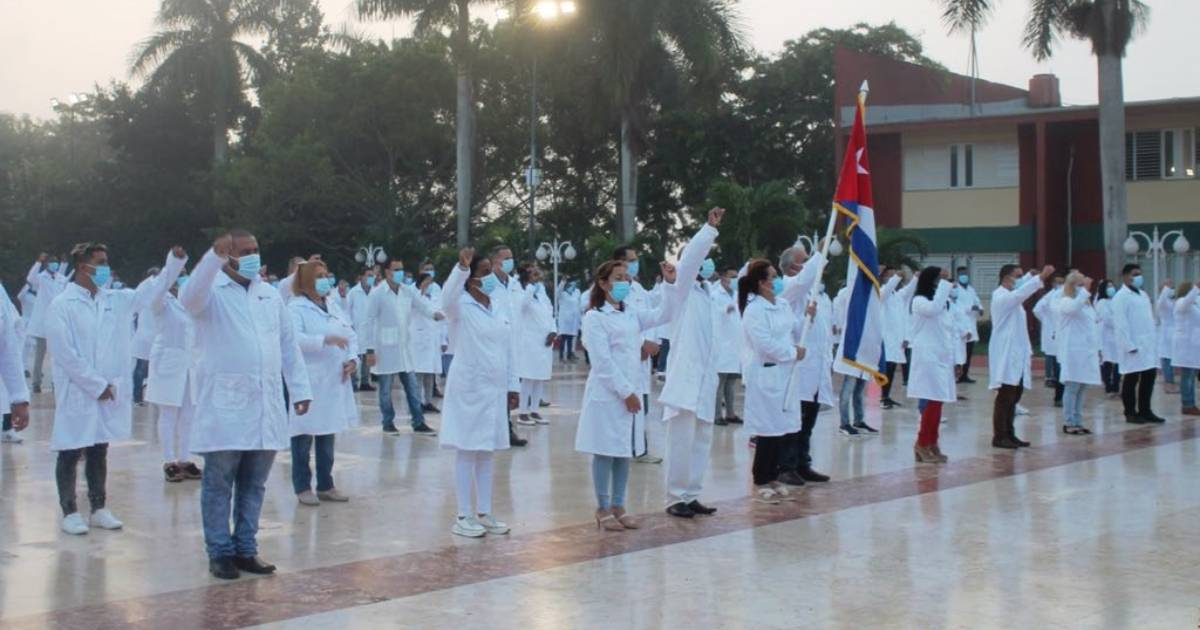
The Cuban doctor Antonio Guedes, who has been in exile in Spain since 1981, dismantled in an interview with the Spanish outlet El Debate the myth that Cuba is a “medical powerhouse” and denounced that the regime's health brigades are nothing more than a scheme for labor exploitation, political propaganda, and espionage.
It is false that the communist revolution turned Cuba into a medical powerhouse. If exploitation is not understood, nothing is understood, stated the doctor originally from Matanzas, who was expelled from the medical program in his fourth year for being Catholic and not Marxist. His testimony adds to the growing voices of Cuban doctors, both inside and outside the island, who denounce the abusive conditions of these missions.
Guedes emigrated to Spain on Christmas Eve in 1981 with his pregnant wife and a young daughter. After validating his studies and completing his training, he worked for almost 30 years as a family doctor and director of a health center in Madrid. Now, with his book Del dicho al hecho: La leyenda de la sanidad en Cuba 1902-2024, he dismantles the regime's propaganda with official and international data.
"The Cuban government has always repeated the mantra that the country is a medical powerhouse, but it never was, not even in the 70s and 80s with the support of the Soviet Union,” he stated.
According to the explanation, the regime manipulated statistics, concealed shortcomings, and relied on the infrastructure that existed before 1959, as well as on millions in external subsidies, first from the Soviets and later from the Venezuelans.
Medical brigades: business and political control
The doctor pointed out that the true face of medical missions is one of labor exploitation and social control. “Professionals have up to 80% of their salaries withheld and many work under supervision, extorted or indoctrinated,” he reported.
These statements align with multiple reports. The European Parliament characterized the brigades as a form of “modern slavery”; Cuban doctor Daycee Zamora revealed that doctors endure indoctrination, threats, and forced exile; and testimonies from Italy reported extreme surveillance and penalties that include the prohibition of returning to Cuba for eight years if they leave the missions.
Official data confirms that Havana generates over 4.9 billion dollars a year by exporting around 26,000 healthcare workers to more than 50 countries, while in Cuba, thousands of patients face shortages of medicines, crumbling hospitals, and a deep health crisis.
For Guedes, the brigades are not just a multimillion-dollar business, but also a tool of intelligence. “Foreign students are indoctrinated, blackmailed, and then sent back to their countries as allies of the regime or informants. It is not solidarity; it is political manipulation and espionage,” he said.
The doctor concludes that the myth of Cuban medical power can only be upheld through propaganda and the complacency of international organizations that repeat figures manipulated by the regime itself.
Frequently asked questions about the situation of Cuban doctors and medical brigades abroad
Is it true that Cuba is considered a medical powerhouse?
No, it is a myth that Cuba is a medical power. According to exiled Cuban doctor Antonio Guedes, the alleged medical superiority of Cuba is propaganda from the regime, which has manipulated statistics and concealed shortages. The healthcare system on the island faces a lack of medicines and crumbling hospitals.
How do Cuban medical brigades operate abroad?
Cuban medical brigades operate under a scheme of labor exploitation. Doctors and healthcare professionals are sent abroad, where the regime retains up to 80% of their salaries. Furthermore, they are subjected to surveillance, indoctrination, and coercion, and many are forced to carry out missions under oppressive conditions.
What complaints exist regarding the conditions of Cuban doctors on international missions?
Numerous doctors have reported exploitation and human rights violations. The conditions include the retention of passports, constant surveillance, and labor restrictions. Testimonies from Cuban doctors like Daycee Zamora have revealed abuses, indoctrination, and forced exile if they choose not to return to Cuba after completing their missions.
What impact do U.S. sanctions have on Cuban medical brigades?
The sanctions aim to dismantle the forced labor scheme associated with medical brigades. The United States has imposed visa restrictions on Cuban officials and others involved in this system. These measures are part of a strategy to pressure the Cuban regime and protect the labor rights of medical professionals.
Filed under: