
Related videos:
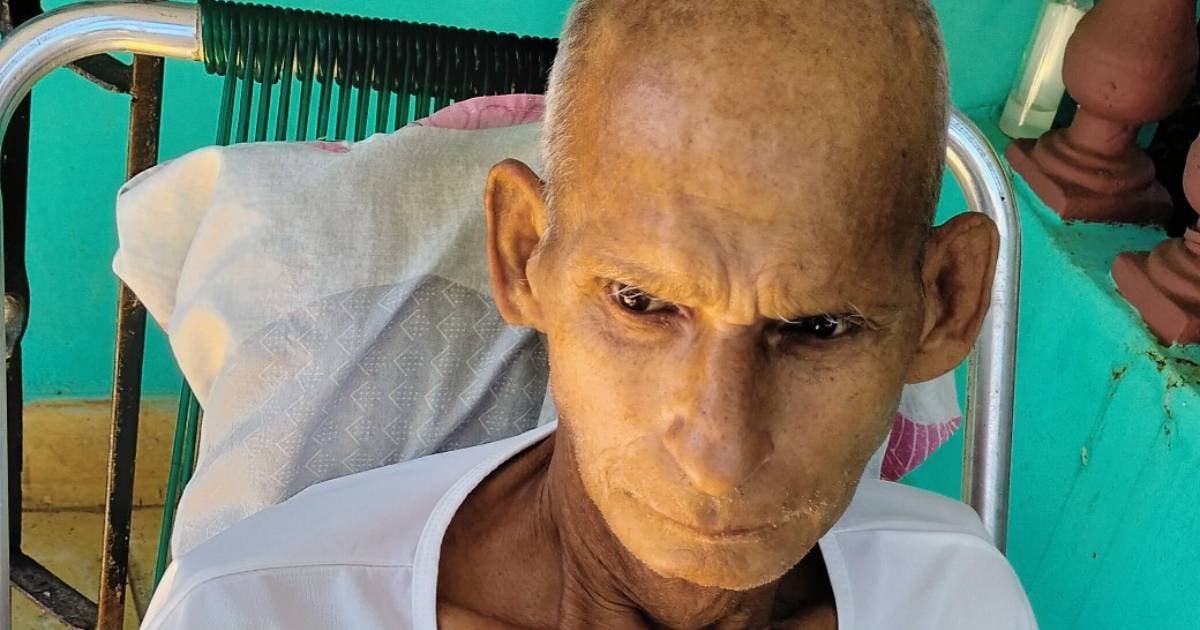
A Cuban woman issued a desperate call on social media in an attempt to save her father's life, who is suffering from kidney illness and trapped in a collapsed healthcare system, where even the most basic antibiotics are unavailable.
“My dad was diagnosed with the E. coli bacteria in his kidneys since February, and this is where the ordeal begins”, the young woman wrote in an emotional public letter.
The man has gone through multiple hospital admissions and intravenous treatments, all unsuccessful, until reaching a critical point where he needs a specific medication that exists in the United States but is unattainable in Cuba.
Amidst pleas and virtual tears, the daughter recounted how she sees her father slowly fading away. “I don’t know how many antibiotics he’s taken, and nothing has worked... My dad is deteriorating and only asks me: daughter, your daddy is dying, please don’t let me die,” she said.
The other side of the "medical power"
The case reflects the contradiction between official propaganda and the reality experienced by millions of Cubans. Just a few days ago, Fidel Castro Smirnov, the dictator's grandson, defended on CNN that Cuba “remains a medical powerhouse”, praising biotechnology and the training of doctors on the Island.
Meanwhile, on the streets of Cuba, families struggle to find medications on the black market, face hospitals without basic supplies, and mourn losses that could have been avoided.
In Santiago de Cuba, a five-year-old boy recently died after ingesting an expired medication purchased on the street, due to the lack of availability in pharmacies. In Cienfuegos, Alexis Almeida, 27 years old, died a month before his wedding after not receiving a vital valve in time to treat his hydrocephalus.
And while the Ameijeiras Hospital was pompously celebrating Fidel Castro's “legacy of excellence” in public health, the lives of Cubans like this young woman's father hang by a thread due to the mere absence of an antibiotic.
The human cost of the healthcare collapse
The letter from this daughter joins a chorus of testimonies that reveal the most painful aspect of the healthcare collapse in Cuba. Behind every statistic of scarcity, behind the official acknowledgment that only 30% of the essential medicines are available, there are families who plead, mothers who blame themselves, and young people who bury their loved ones far too soon.
“Help me save a man who has been an excellent father!”, the Cuban pleads. Her cry for help, shared hundreds of times, reflects not only the anguish of one family but the drama of an entire country where survival depends on connections, remittances, or miracles.
In real Cuba, far from speeches and anniversaries, a father's life can simply be extinguished because there are no medicines.
Frequently asked questions about the health crisis in Cuba
What is the current situation of the healthcare system in Cuba?
The Cuban healthcare system is in a profound crisis, with overwhelmed hospitals, a shortage of medications, and a lack of basic supplies. This situation severely impacts citizens, who often have to turn to the black market to obtain essential medicines.
What contradictions exist between the official Cuban propaganda and the healthcare reality?
The official propaganda insists that Cuba is a "medical power," while the reality reveals a healthcare system in crisis, with hospitals lacking supplies and limited access to medications. This contradiction is evident in statements like those from Fidel Castro's grandson, which contrast with testimonies from citizens who suffer from the lack of adequate care.
How does the health crisis affect Cuban citizens?
The health crisis is impacting Cubans by limiting their access to basic treatments and essential medications, forcing them to rely on contacts abroad or the informal market to obtain what they need. This has led to critical situations, such as preventable deaths and an increase in the desperation of Cuban families.
What recent examples illustrate the severity of the crisis in the Cuban healthcare system?
Cases like that of a child who passed away in Santiago after ingesting expired medication, the death of Alexis Almeida due to the lack of a medical valve, and a daughter's plea for her father's life without access to antibiotics illustrate the severity of the healthcare crisis in Cuba. These examples reflect a systematic lack of resources and adequate medical care.
Filed under: