
Related videos:
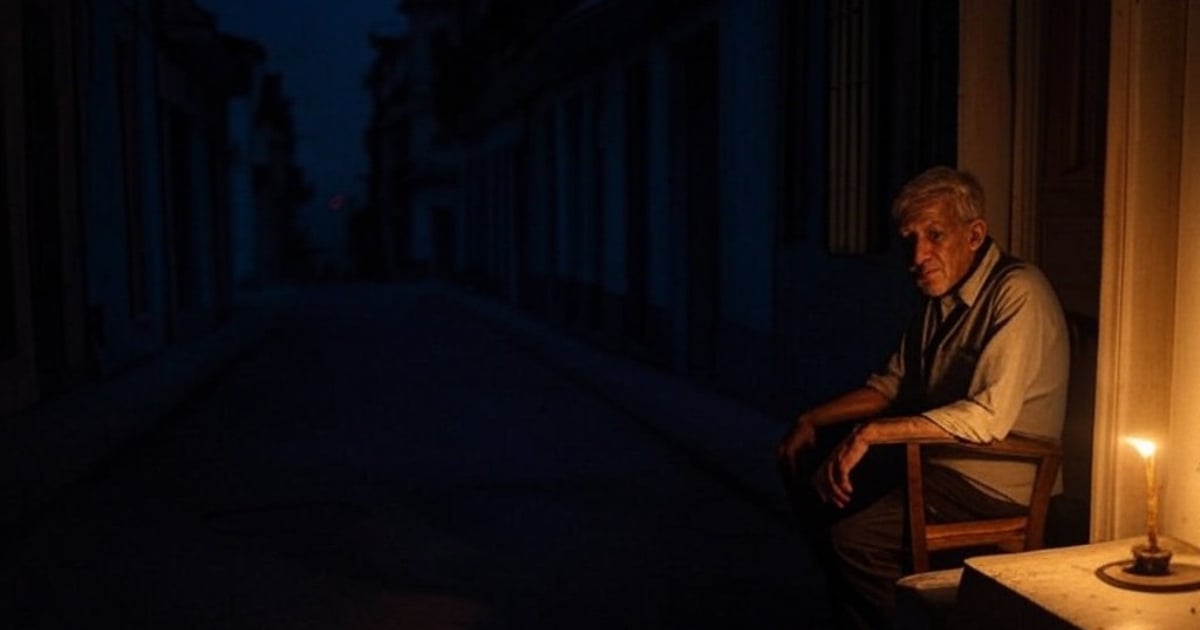
The blackouts in Cuba are no longer just an electrical issue; they have become a public health crisis that affects millions of citizens across the country.
With temperatures exceeding 35 degrees, water scarcity, a proliferation of mosquitoes, and a lack of medications, the population lives in a state of permanent stress, while the regime offers no substantial solutions.
Anguish in the homes
A report published by the agency EFE tells the story of Julia, an oncology patient from Havana, who expressed that when the power went out in her home during the fifth nationwide blackout in less than a year, the first thing she thought about was the refrigerator where she keeps the medications she needs to survive.
"I fear they will break down, I worry about food, about medicine, and about my own life," she recounted to the aforementioned source. Her testimony reflects the anxiety and uncertainty that is repeated in thousands of Cuban households.
Mental health on the brink
Experts like social psychologist Yadira Albet warn that the ongoing uncertainty about when electricity will return creates anxiety, stress, and even chronic depression.
The sociologist Elaine Acosta goes further and asserts that in Cuba, one can already speak of a "mental health epidemic," fueled by the economic precariousness, the lack of food, and the inability to access specialized care or psychiatric medications.
"Depression, anger, sustained fear, and disillusionment have become part of daily life," warn specialists, as the daily management of survival leaves an increasingly deep mark, especially on the most vulnerable.
Children between fear and hunger
The blackouts hit minors particularly hard. Testimonies collected by the Food Monitor Program, an independent project documenting food insecurity on the island, reveal children who grow up fearful of the dark, hungry at midnight, and physically exhausted from being unable to sleep in the stifling heat or protect themselves from mosquitoes. A mother from Bayamo states: “My son cries all night from the heat and the mosquitoes, and when
The electrical collapse also increases the risks of epidemics. Without electricity to pump water or power repellent devices, the proliferation of mosquitoes worsens the incidence of diseases such as dengue and Oropouche, which are already present on the island. Additionally, the lack of adequate refrigeration for food preservation multiplies the risks of food poisoning and gastrointestinal issues.
Protest or migration
In light of this situation, according to the topics covered in the report, Cubans only see two options: protest or migration. However, a large part of the population lacks the means to publicly express their discontent, caught between repression and a lack of resources to leave the country.
Reflection of a crumbling model
The blackouts in Cuba are more than just power cuts: they are a metaphor for a collapsed system. Each night without electricity reveals how the energy crisis turns into a health, social, and emotional crisis, while the regime continues to provide no real solutions. The darkness that envelops the island also exposes the precariousness of a country engulfed in despair.
Frequently Asked Questions about Blackouts in Cuba and Their Impact on Mental Health
How do blackouts affect the mental health of Cubans?
Extended power outages in Cuba create anguish, stress, and even chronic depression among the population. The uncertainty about when electricity will return and the precarious economic situation contribute to a "mental health epidemic," according to experts. The lack of access to specialized care and psychiatric medications further exacerbates the situation.
What impact do blackouts have on the physical health of Cubans?
Power outages affect the physical health of Cubans by preventing adequate rest due to extreme heat and lack of ventilation. The proliferation of mosquitoes without repellent devices increases the risk of diseases such as dengue. Furthermore, inadequate preservation of food due to a lack of refrigeration heightens the risks of food poisoning.
How do blackouts affect children in Cuba?
Power outages particularly affect children, causing fear of the dark, hunger, and physical exhaustion. The lack of electricity prevents them from sleeping properly and exposes them to heat and mosquitoes. This situation negatively impacts their physical and emotional development, leading to anxiety and stress from an early age.
What solutions has the Cuban government proposed to address the power outages?
The Cuban government has proposed a plan to recover the electrical system within three years. This plan includes the recovery of 500 megawatts of capacity through thermal generation and renewable sources. However, the population is skeptical about these promises, as no short-term improvements are in sight.
Filed under: