
Related videos:
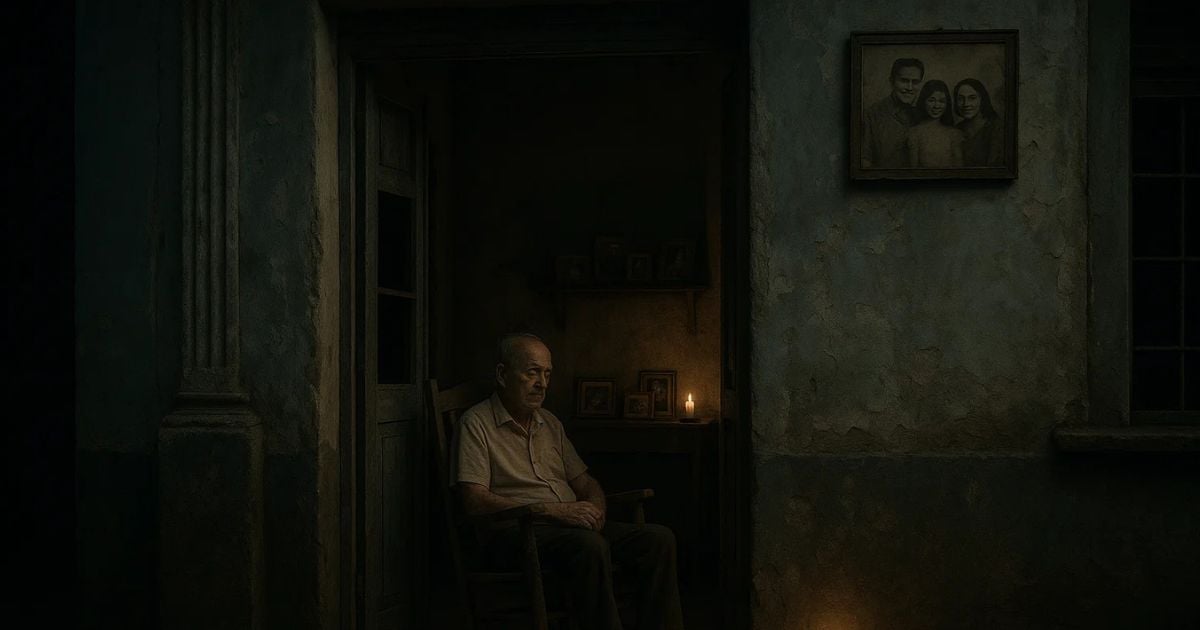
The massive exodus of Cubans has transformed life in the country into a landscape of empty houses, lonely grandparents, and mothers bearing the weight of farewells with no return.
According to a report published on Facebook by La Hora de Cuba, signed by Iris Mariño, more than one million people have left the country in the last three years, the majority being young professionals who, despite having degrees, feel that their future does not fit in the land that saw them born.
Personal stories reflect a shared collective pain. Rey, 70 years old, lives surrounded by memories while his son, grandson, and daughter-in-law have emigrated to Latin America.
Esperanza left for the United States after a reunification process, although she had to leave her daughter behind.
María, a young artist, decided to leave after July 11, 2021, separating from her mother and sister.
Soledad, a 35-year-old mother who remains in Cuba, describes the island as "an eternal punishment."
Amid 20-hour blackouts and the smell of spoiled food, she secretly cries so as not to burden her child with her hopelessness. “He deserves something better, he deserves dreams and light,” she states with sad eyes.
These testimonies provide a mosaic of the anguish and despair experienced today by those who, for one reason or another, are trapped on the island.
The consequences of the exodus are visible throughout the country: families that only connect through video calls, children growing up without their mothers, homes turned into silence.
For some, destiny means starting anew in another place; for others, death in exile catches them far away, without a final goodbye from parents or siblings.
There is also a third group: those resigned to living in Cuba, surviving as best they can and in some cases without any hope, the most basic motivation for survival.
Cuba is depopulating while the regime insists on projecting an image of normalcy.
But the constant farewells, the irreparable absences, and the loneliness of those left behind reveal the invisible cost of emigration.
In this context, extreme poverty affects 89% of Cubans and 78% want to emigrate, according to the Eighth Study on the State of Social Rights in Cuba, released this Tuesday by the Cuban Observatory of Human Rights (OCDH).
Frequently Asked Questions about the Cuban Exodus and Its Consequences
How many people have emigrated from Cuba in recent years?
More than a million Cubans have left the country in the last three years, according to a report published by La Hora de Cuba. This phenomenon has profoundly impacted the island's demographics, leaving empty houses, separated families, and a country that is rapidly depopulating.
Which demographic groups are most affected by the Cuban exodus?
The exodus primarily affects young professionals of working age, who are seeking better opportunities outside of Cuba. This exacerbates the labor market crisis and the sustainability of the pension system, while leaving rural and urban communities with an aging population and no generational replacement.
How does migration affect Cuban families?
Migration has fragmented many Cuban families, leaving grandparents and parents alone while their children and grandchildren emigrate. Families often only connect through video calls, and many children grow up without their mothers or fathers, which creates a deep emotional impact on the population that remains on the island.
What everyday situations do Cubans face who remain on the island?
Cubans who remain on the island face power outages of up to 20 hours, shortages of food and basic products, and extremely difficult living conditions. This situation has led to a sense of hopelessness and frustration, particularly among those who cannot emigrate and see their lives marked by precariousness and a lack of prospects.
Filed under: